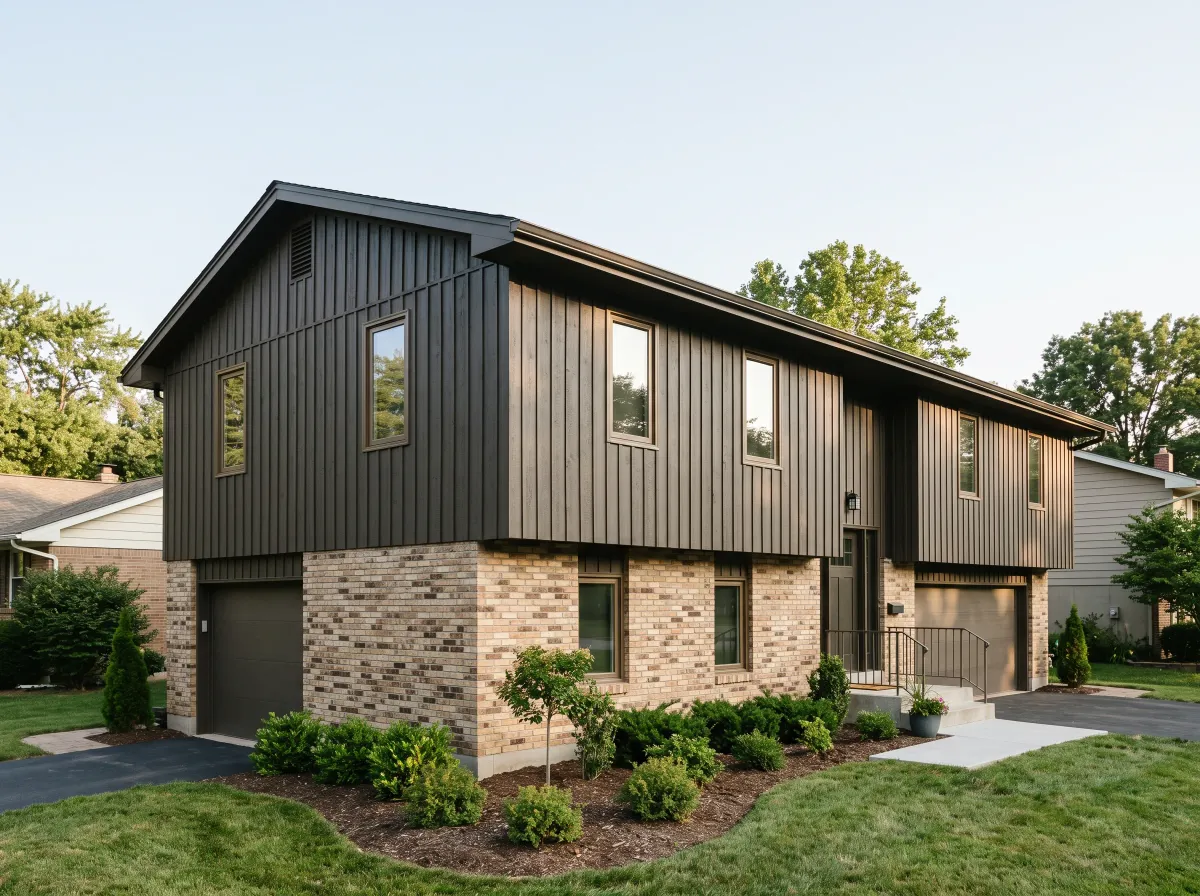
Why Exterior Paint Matters for Protecting Your Home
Exterior paint does more than give your home a fresh appearance. It forms a protective coating over suitable exterior surfaces, helping them withstand sunlight, moisture, and everyday weather exposure. Without proper maintenance, those surfaces can deteriorate, potentially leading to repairs that go beyond a simple paint job.
For St. Louis homeowners, exterior protection is especially important. The region experiences hot summers, humid conditions, thunderstorms, cold winters, and frequent temperature changes. These conditions can gradually affect painted siding, trim, doors, fascia, and other exterior features.
Understanding how exterior paint protects your home can help you make better maintenance decisions, recognize the value of surface preparation, and avoid waiting until visible deterioration becomes more extensive.
For additional information about maintaining interior and exterior surfaces, explore our guide to painting and drywall services.
Exterior Paint Is More Than a Cosmetic Upgrade
A freshly painted exterior improves curb appeal, but appearance is only part of its purpose. Quality exterior paint creates a coating that helps shield compatible building materials from direct environmental exposure.
Wood trim, painted siding, fascia, shutters, and exterior doors experience changing weather throughout the year. When properly prepared and coated, these surfaces have an additional layer of protection against moisture and surface weathering.
Paint also makes ongoing maintenance easier. A sound painted surface is generally easier to clean and inspect than deteriorating, exposed material. Maintaining the finish helps homeowners identify areas that need attention before minor surface problems become larger repair projects.
How Exterior Paint Helps Protect Against Moisture
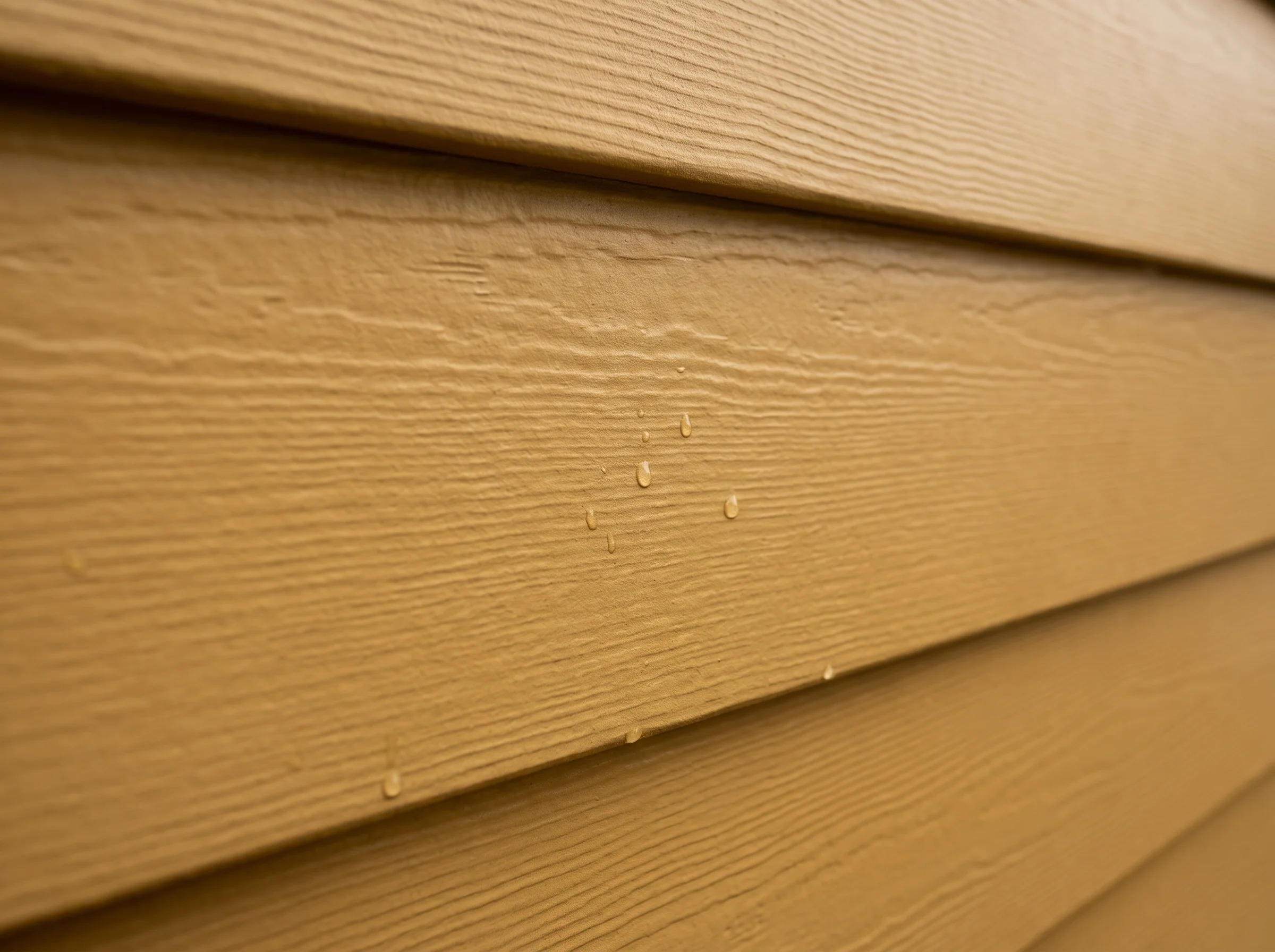
Moisture is one of the biggest concerns for exterior building materials. Rainwater, humidity, and prolonged dampness can contribute to deterioration when vulnerable surfaces are left exposed.
Properly applied exterior paint helps limit direct water contact with compatible substrates, particularly painted wood siding, trim, and doors. This protective coating can reduce the amount of moisture reaching the surface underneath.
However, exterior paint does not make a home waterproof. Gutters, flashing, drainage systems, caulking, and properly installed siding must also function correctly.
If water is entering through a roof leak, failed flashing, or an open joint, paint alone cannot solve the problem. The source of moisture must be addressed before repainting.
Why Moisture Protection Matters in St. Louis
St. Louis receives precipitation throughout the year, including heavy thunderstorms during warmer months. Humidity can also slow the drying of shaded exterior surfaces.
Homes with painted wood trim, porch details, or siding need regular maintenance to help prevent prolonged moisture exposure. Keeping these surfaces properly coated is one part of protecting the exterior against seasonal conditions.
How Exterior Paint Helps Reduce Sun and UV Damage
Sunlight gradually affects exterior surfaces. Ultraviolet radiation can contribute to the breakdown of exposed wood and exterior finishes, while repeated heat exposure can accelerate visible weathering.
Exterior paint provides a protective coating that limits direct sunlight exposure to the material beneath it. Paint formulations designed for outdoor use also contain components intended to help maintain color and coating performance.
This matters for south-facing and west-facing elevations, which often receive more direct sunlight. Front doors, garage doors, shutters, fascia, and painted siding may experience different levels of exposure depending on the home's orientation.
Choosing a suitable exterior coating and maintaining it over time helps protect vulnerable surfaces while keeping the home's appearance consistent.
Protecting Your Home Through St. Louis Seasonal Weather
St. Louis weather changes significantly throughout the year. Summer brings heat and humidity, while winter can introduce freezing temperatures and occasional snow or ice. Spring and fall often bring alternating warm, cool, wet, and dry conditions.
These changes can affect exterior materials as they expand, contract, and respond to moisture. Small gaps may develop around joints, and aging coatings can gradually lose adhesion or flexibility.
A properly selected exterior paint system helps protect compatible surfaces as they experience normal weather exposure. Flexible coatings and appropriate preparation can help maintain a sound finish.
Still, paint cannot stop structural movement or correct deteriorating materials. Regular exterior inspections remain important for identifying problems that require repair rather than repainting.
Why Exterior Paint Is Especially Important for Wood Siding and Trim
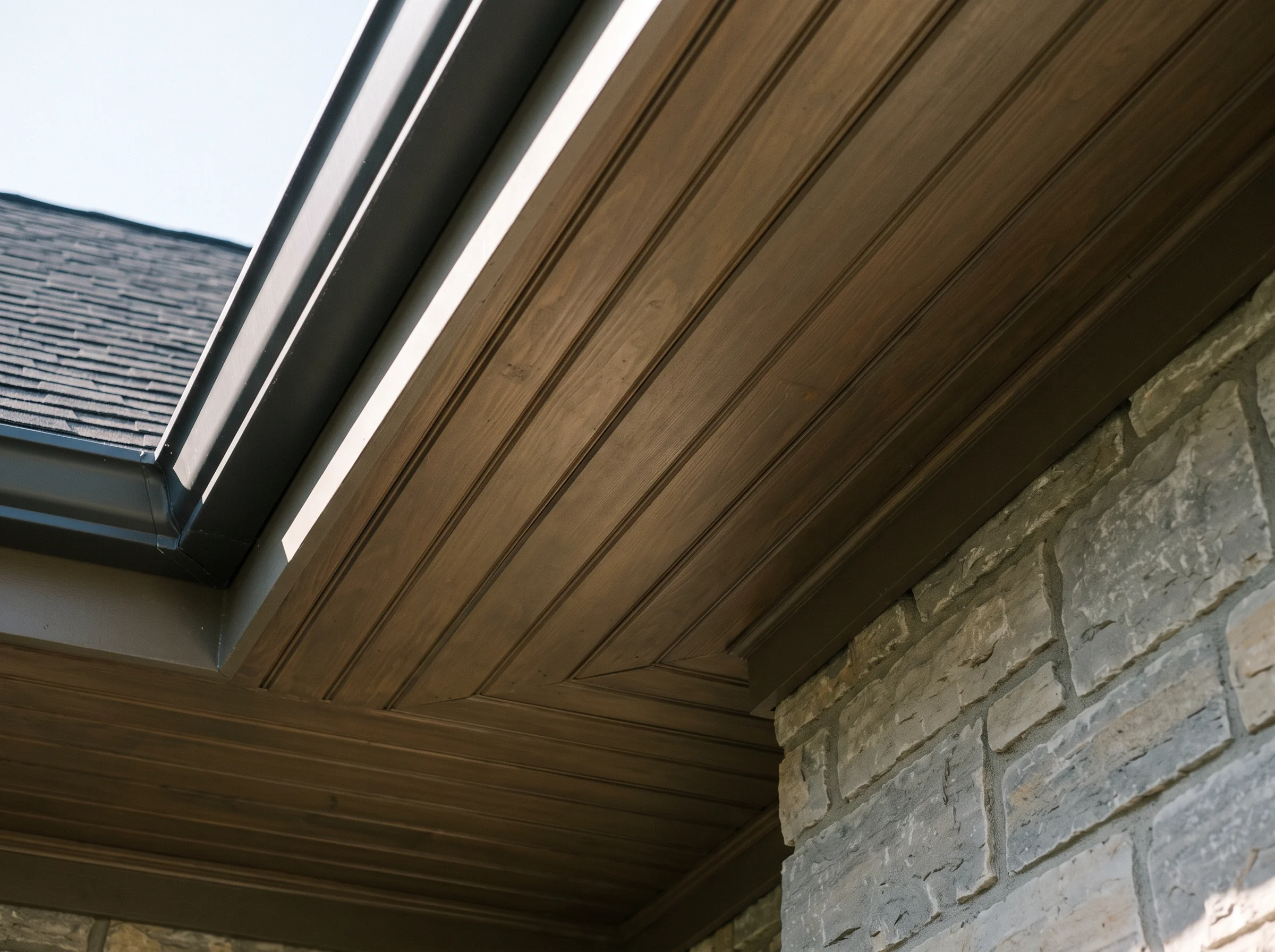
Wood is a common material used for exterior trim, window casings, fascia, porch details, and some siding systems. Although durable when maintained properly, wood can absorb moisture when its protective coating deteriorates.
A sound paint film helps reduce direct water exposure and protects wood against surface weathering. This is particularly important around exposed edges, joints, and decorative features that receive regular sunlight and rain.
In older St. Louis neighborhoods, painted wood details are often part of a home's architectural character. Preserving those features may require careful preparation rather than simply replacing them.
The National Park Service provides guidance on maintaining exterior paint on historic woodwork, including the importance of evaluating surface conditions before repainting.
Keeping painted woodwork maintained helps preserve both its appearance and its useful life.
Exterior Paint, Caulking, and Sealed Joints Work Together
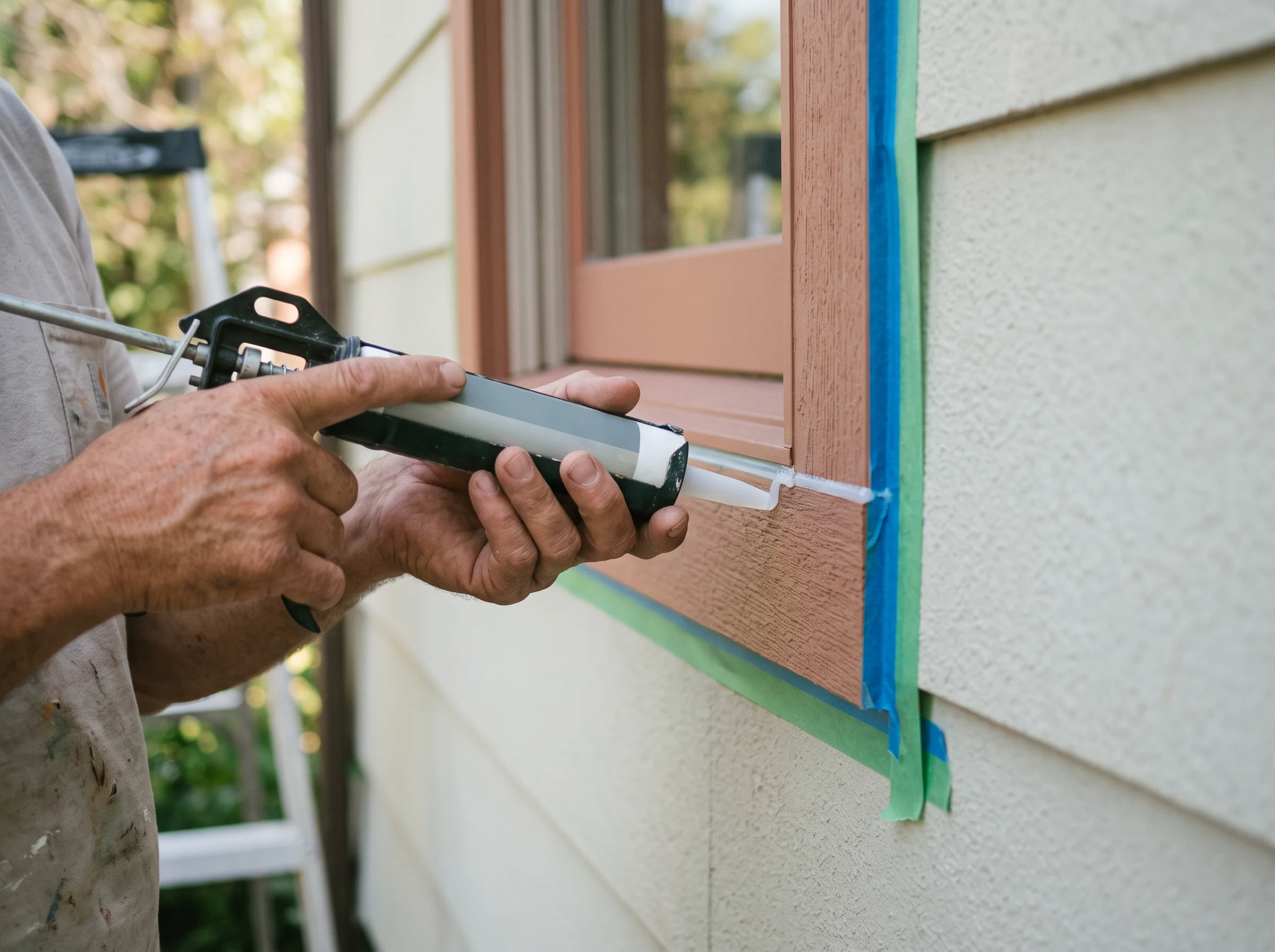
Exterior paint works best as part of a properly maintained exterior system. Caulking plays an important supporting role by sealing appropriate joints around windows, doors, trim, and certain siding transitions.
Over time, exterior caulk can shrink, crack, or separate from adjoining surfaces. When this happens, moisture may enter gaps that paint alone cannot seal.
Before repainting, these joints should be inspected. Failed caulk may need removal and replacement with a suitable exterior sealant, followed by appropriate curing and painting.
Not every exterior gap should be sealed, however. Some assemblies include intentional drainage or ventilation openings that must remain clear.
Correct preparation helps paint and sealants perform their separate jobs without interfering with how the exterior is designed to manage water.
Different Exterior Materials Need Different Paint Systems
Not every exterior surface should be painted in the same way. Wood, fiber cement, metal, masonry, and manufactured siding can have different preparation and coating requirements.
Wood may need sanding, repairs, and primer before painting. Metal surfaces may require corrosion treatment and a compatible primer. Fiber-cement siding must be coated according to manufacturer recommendations, while some masonry surfaces require specialized breathable coatings.
Previously unpainted historic brick deserves particular attention. Applying an unsuitable coating can trap moisture and contribute to masonry deterioration.
Homeowners should also avoid assuming that every manufactured siding product can be painted without restrictions. Material condition, existing finishes, and product warranties may influence the decision.
Choosing the right coating system helps avoid adhesion problems and supports longer-lasting exterior finishes.
Proper Exterior Painting Can Help Reduce Avoidable Repair Costs
Exterior painting is a maintenance investment. When painted surfaces are maintained before significant deterioration develops, homeowners may avoid some repairs associated with prolonged weather exposure.
For example, keeping wood trim properly coated can help limit moisture exposure. Addressing deteriorating caulk and damaged paint before water reaches vulnerable materials may reduce the need for more extensive corrective work.
That does not mean repainting guarantees savings or eliminates future repairs. The outcome depends on the condition of the home, materials, workmanship, and existing maintenance issues.
The practical benefit is prevention. Regular inspections and timely painting help homeowners manage the exterior rather than waiting until visible damage becomes difficult to ignore.
Why Surface Preparation Determines How Well Paint Protects
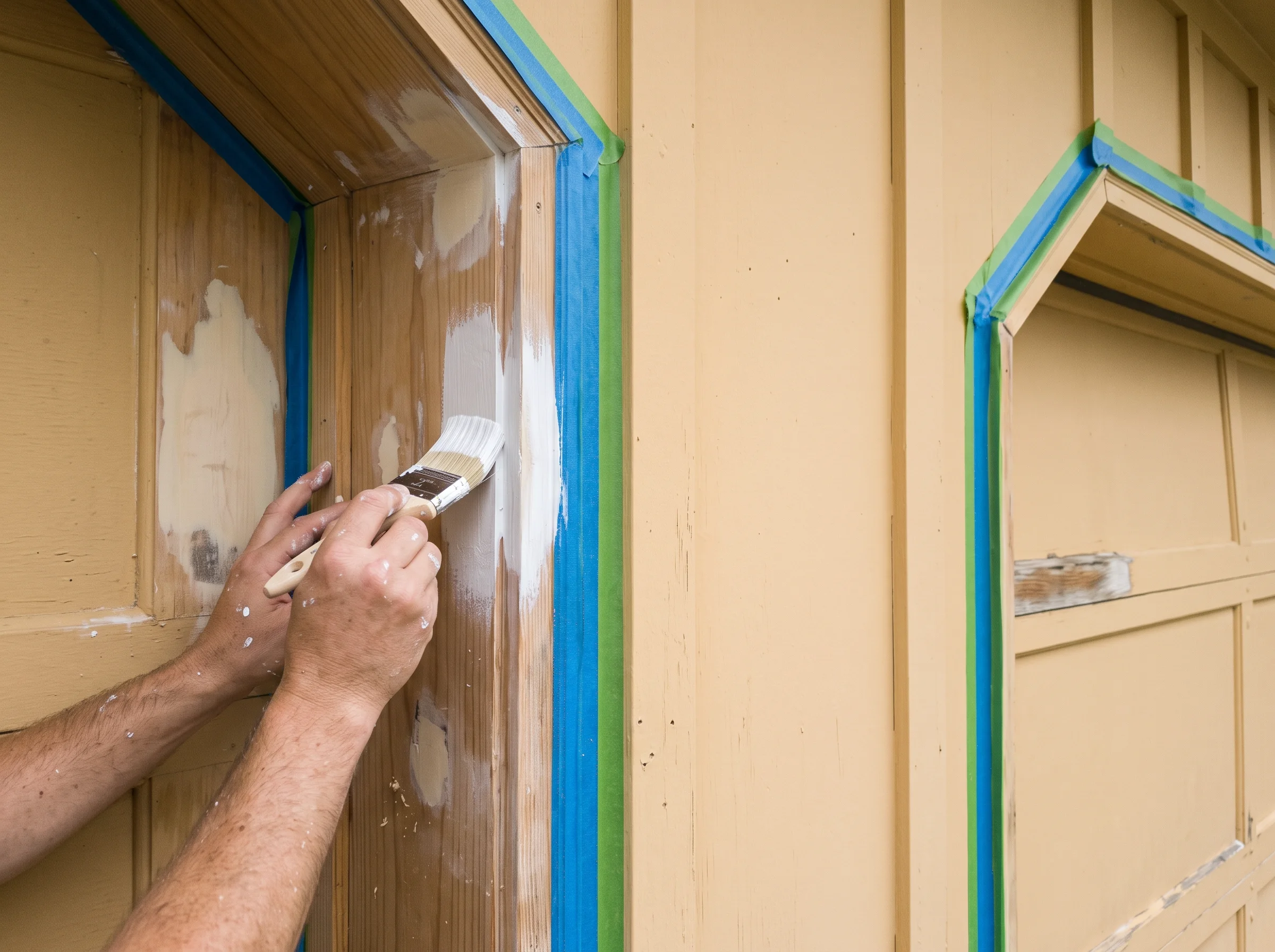
Exterior paint cannot perform properly if it is applied over an unsuitable surface. Dirt, loose paint, excessive moisture, chalking, damaged wood, or incompatible coatings can interfere with adhesion.
Professional exterior painting should begin with an assessment of the surfaces being painted. Depending on their condition, preparation may include cleaning, removing loose coatings, sanding, repairing damaged areas, caulking appropriate joints, and applying primer.
The surface must also be sufficiently dry before painting. Benjamin Moore emphasizes the importance of clean, dry, and appropriately prepared substrates in its exterior painting guidance.
Primer may be needed on exposed wood, repaired areas, metal, or other surfaces requiring additional adhesion or sealing. The correct primer depends on the material and finish coating.
Weather conditions matter too. Exterior paint should be applied within the manufacturer's recommended temperature, humidity, and drying conditions.
This preparation helps the finished coating bond correctly, maintain an even appearance, and provide the protection it was designed to deliver.
What Exterior Paint Cannot Fix
Exterior paint provides protection, but it is not a substitute for building repairs. Applying a fresh coating over damaged materials may temporarily improve the appearance without correcting the underlying problem.
Rotting wood, roof leaks, failed flashing, structural cracks, persistent moisture intrusion, and severely deteriorated siding require proper evaluation and corrective work.
Painting over these conditions can allow damage to continue beneath the new finish. The result may be repeated coating failure or additional repairs later.
Older homes also require safety considerations. The EPA's Renovation, Repair and Painting Rule generally requires certified firms and lead-safe practices when paid renovation work disturbs painted surfaces in pre-1978 housing, subject to applicable exceptions.
Homeowners should identify these concerns before exterior surface preparation begins.
When Should St. Louis Homeowners Consider Repainting?
There is no single repainting schedule that works for every home. Exterior paint longevity depends on the material, previous preparation, coating quality, sunlight exposure, moisture conditions, and routine maintenance.
Some surfaces may remain in good condition for years, while more exposed sections may need attention sooner. The most useful approach is to inspect the exterior regularly rather than relying on a fixed timeline.
Look for changes in adhesion, surface texture, color consistency, and the condition of joints and trim.
For a more detailed checklist, read our article on exterior painting warning signs St. Louis homeowners should watch for, including peeling, chalking, fading, and moisture-related concerns.
Exterior Painting for Homes Across St. Louis and Surrounding Communities
Exterior maintenance needs vary across the St. Louis region. Established neighborhoods in Kirkwood and Webster Groves may include older painted wood trim, porch details, and exterior features requiring careful preparation.
Homes in Ladue, Frontenac, Ballwin, and Chesterfield may have painted architectural details, garage doors, shutters, or siding that benefit from regular maintenance.
In St. Charles County communities such as Wentzville, Cottleville, Dardenne Prairie, St. Charles, and O'Fallon, exterior painting may involve newer siding systems, painted trim, doors, and other residential surfaces.
EJC Painting & Drywall provides exterior painting services for homeowners throughout the St. Louis area, including St. Louis County and St. Charles County.
Every project starts with understanding the surfaces involved and determining the preparation needed before paint is applied.
When Should You Hire a Professional Exterior Painter?
Some minor maintenance tasks may be manageable for homeowners. Larger exterior projects often benefit from professional experience, especially when they involve elevated work areas, extensive preparation, deteriorating coatings, or several different building materials.
A professional can assess surface conditions, identify areas requiring repair, recommend compatible coatings, and plan the work around appropriate weather and drying conditions.
Professional help is also important when a home has older painted surfaces or preparation work that could disturb potentially hazardous coatings.
EJC Painting & Drywall can assist St. Louis-area homeowners with exterior painting, surface preparation, trim painting, and related painting projects.
Frequently Asked Questions About Exterior Paint Protection
Does exterior paint make a home waterproof?
No. Exterior paint helps resist direct moisture exposure on suitable surfaces, but it does not replace properly installed siding, flashing, drainage, gutters, or other weather-management systems.
Can exterior paint help prevent wood rot?
Maintaining a sound exterior coating can help reduce moisture exposure that contributes to wood deterioration. However, paint cannot repair existing rot or solve moisture entering through damaged joints or building components.
Is primer always necessary before exterior painting?
Not always. Primer requirements depend on the surface material, existing coating, exposed areas, repairs, and selected paint system. Bare wood, certain metals, and some repaired or previously uncoated surfaces commonly require primer.
Can every exterior surface on a St. Louis home be painted?
No. Many exterior materials can be painted with appropriate products, but some manufactured siding, historic masonry, and specialty finishes require additional evaluation. The material and manufacturer recommendations should guide the decision.
Final Thoughts
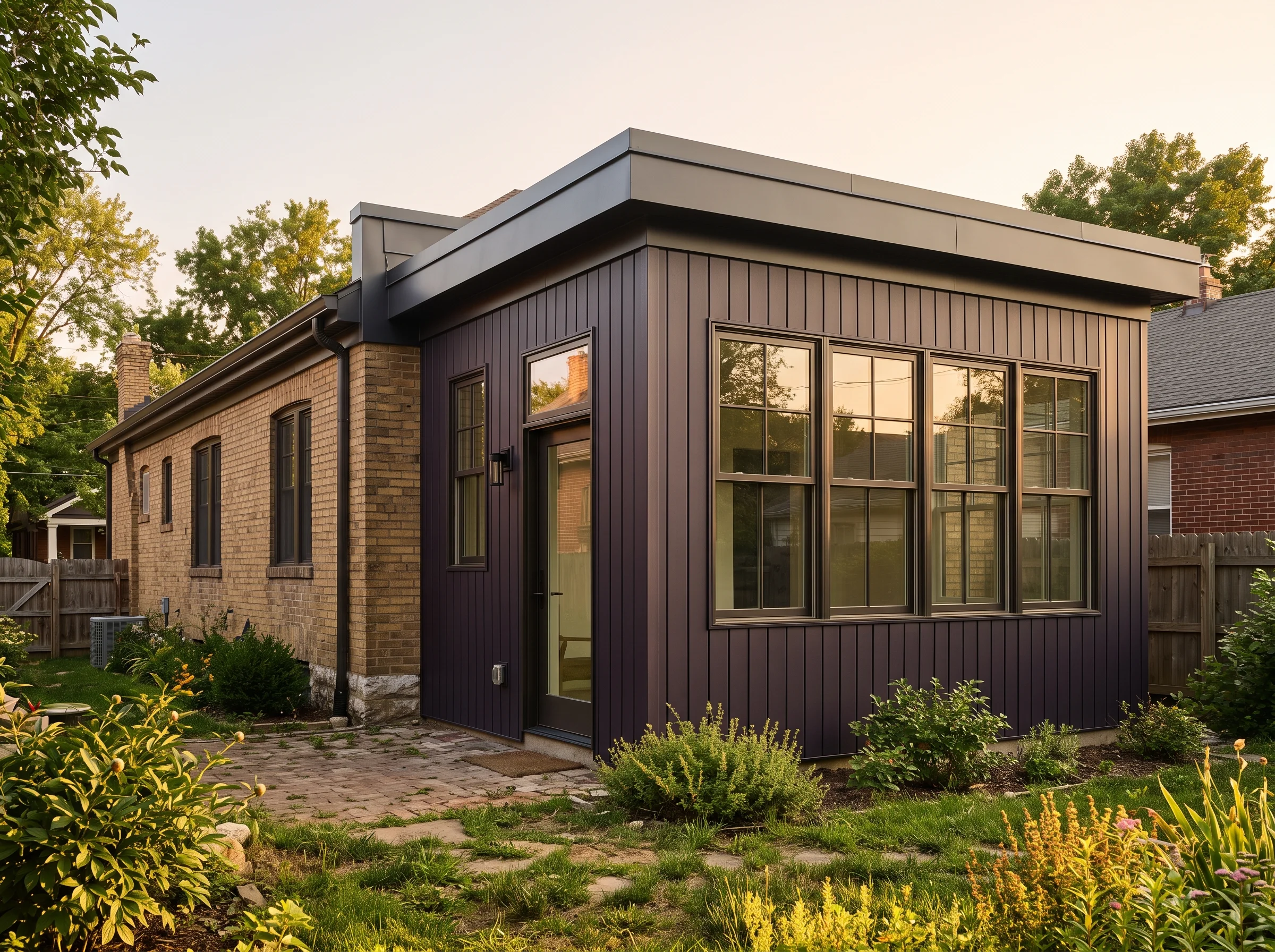
Exterior paint plays an important role in protecting your home's siding, trim, doors, and other painted surfaces against daily weather exposure. When combined with proper preparation and routine maintenance, a sound paint coating helps preserve materials and maintain curb appeal.
For St. Louis homeowners, staying ahead of exterior maintenance is a practical way to care for the home throughout the seasons.
If your home needs exterior painting, surface preparation, or trim painting, EJC Painting & Drywall can help you plan the next steps. Call 314-471-4563 to request a free estimate.