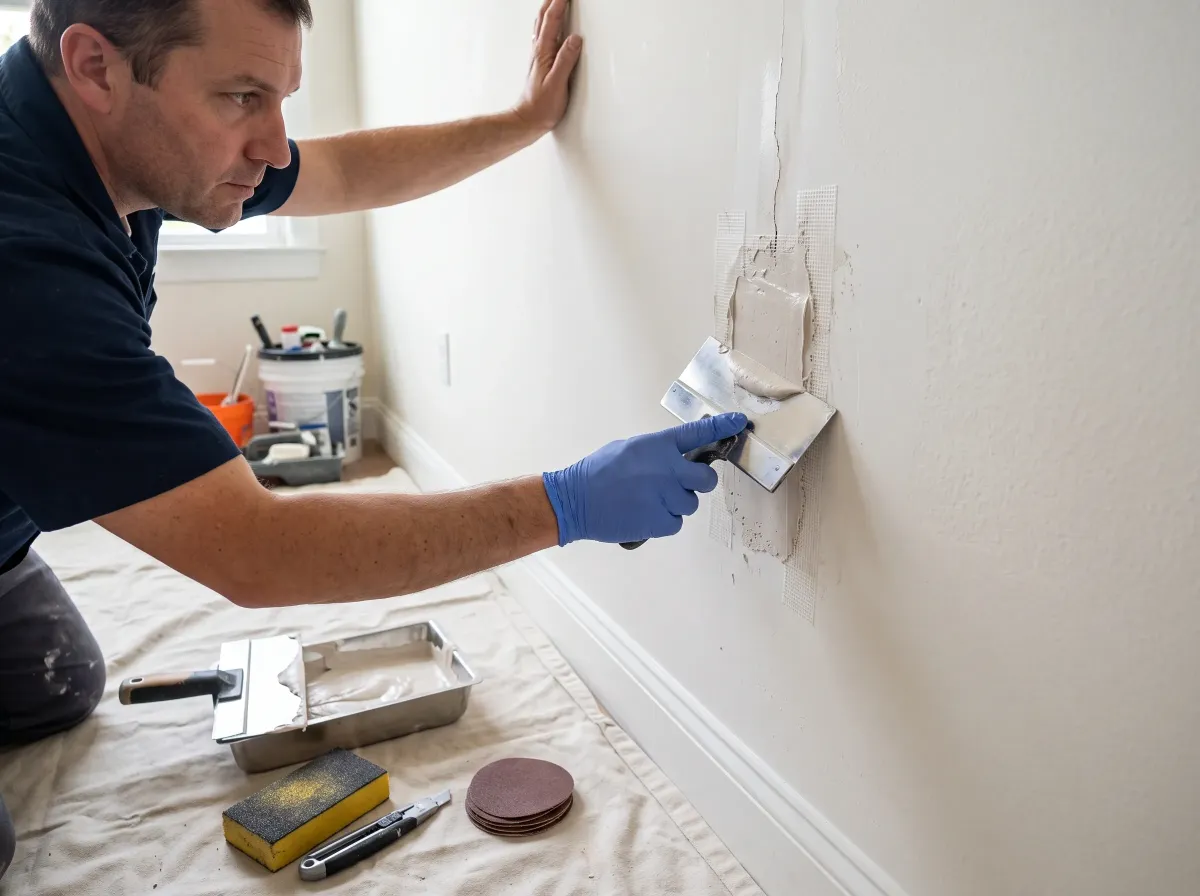
Why Drywall Repair Should Always Come Before Interior Painting
A fresh coat of paint can make almost any room feel cleaner, brighter, and more updated. It can change the mood of a space, make older rooms feel new again, and give your home a more polished appearance.
However, paint only looks as good as the surface underneath it. If your walls have cracks, holes, dents, nail pops, rough patches, or old repair marks, those flaws can still show after the paint dries.
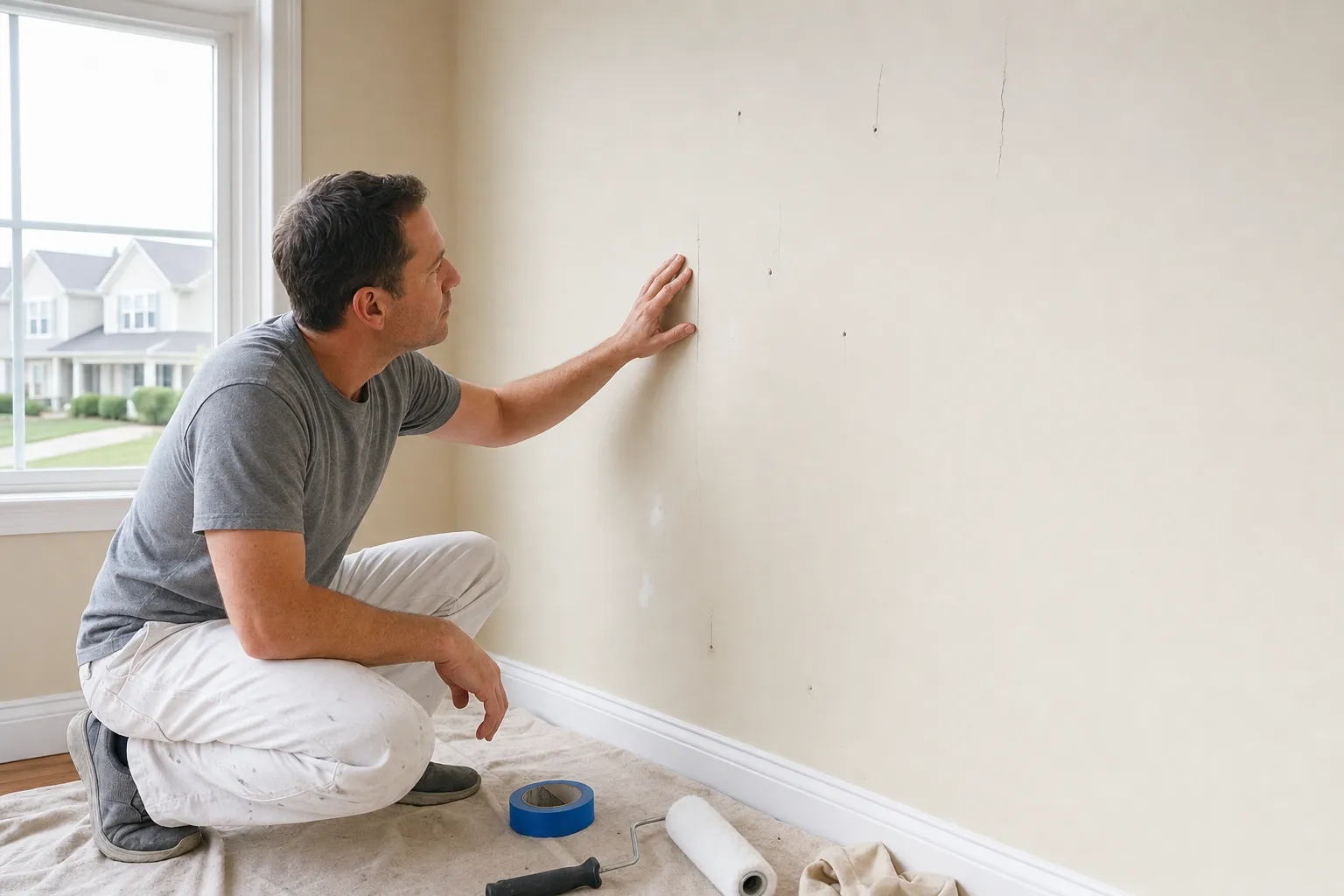
That is why drywall repair should always come before interior painting. Before choosing colors or applying the first coat, the walls need to be smooth, stable, and properly prepared. When drywall repair and painting are handled in the right order, the finished room looks cleaner and lasts longer.
For homeowners who want a broader look at how these services work together, our guide to painting and drywall services in St. Louis explains the full process in more detail.
Paint Can Change the Color, But It Cannot Fix the Wall
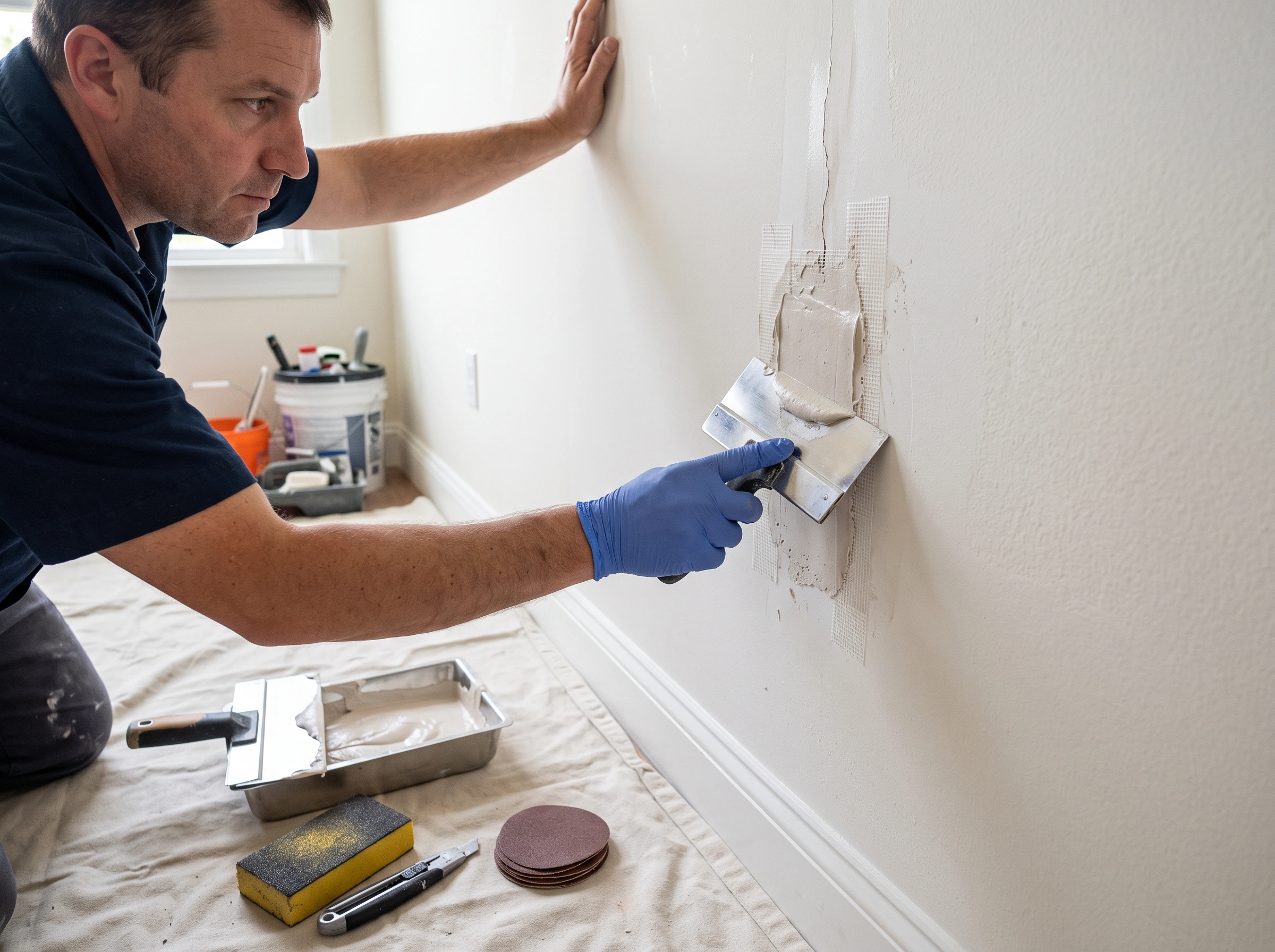
Many homeowners hope new paint will hide small wall imperfections. Unfortunately, paint is not designed to repair the surface. It can cover an old color, refresh a room, and create a new look, but it cannot fill cracks, smooth dents, or level uneven drywall patches.
In fact, fresh paint can sometimes make drywall problems more noticeable. When light hits a wall, raised patches, dents, nail pops, and rough areas can create shadows. This is especially common in rooms with large windows or strong overhead lighting.
The paint finish also matters. Satin, eggshell, and semi-gloss finishes reflect more light than flat finishes. That reflection can highlight damaged drywall, uneven seams, and poor patchwork.
This is why smooth walls before painting are so important. Interior painting should begin after the drywall has been inspected, repaired, sanded, and prepared for a clean finish.
Common Drywall Problems That Show Through Paint
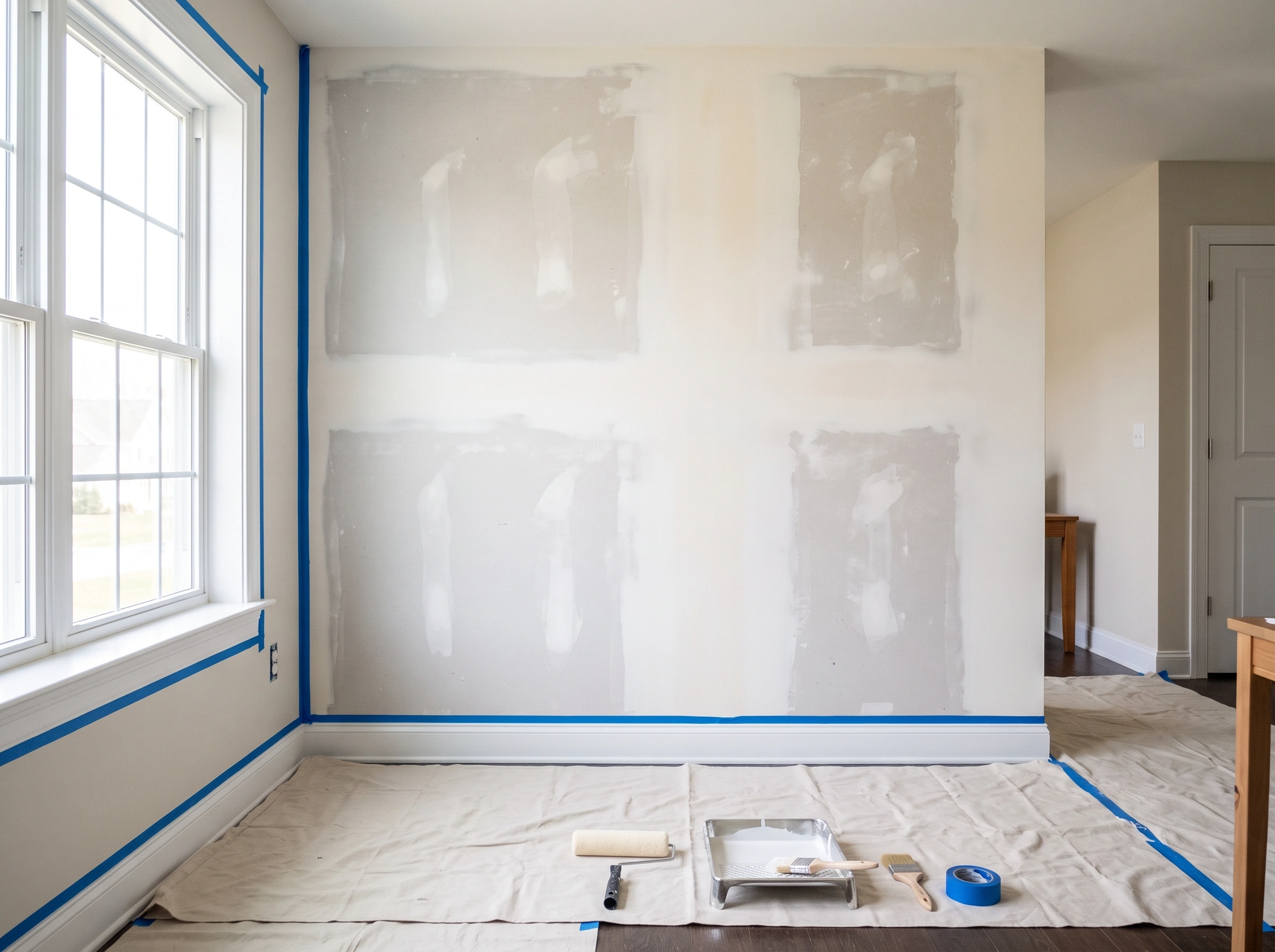
Drywall damage can happen in almost every home. Some issues come from normal wear and tear. Others happen during remodeling, moving furniture, hanging wall decor, or dealing with moisture problems.
Cracks and Nail Pops
Cracks can appear as a home settles or shifts over time. They may show up near doors, windows, ceilings, corners, or drywall seams. Small cracks may seem minor, but they can still be visible after painting if they are not repaired first.
Nail pops are another common issue. These small bumps or circles happen when a fastener pushes through the drywall surface. If they are painted over without repair, they can remain noticeable and make the wall look unfinished.
Holes, Dents, and Scratches
Holes and dents are also common in busy homes. They can come from doorknobs, furniture, kids, pets, shelves, picture hooks, or simple everyday use. Even small dents can stand out once a new coat of paint is applied.
Scratches and scuffs may also need more than paint. If the damage has affected the drywall surface, it may need patching, sanding, or smoothing before the room is painted.
Uneven Patches and Old Repairs
Old repairs can be just as noticeable as fresh damage. A previous patch may be raised, rough, poorly sanded, or mismatched with the surrounding texture. Once new paint goes on the wall, these areas can become easier to see.
Professional drywall repair helps blend damaged or previously patched areas into the rest of the wall. The goal is to make the repair disappear before painting begins.
Why Drywall Repair Improves the Final Paint Finish
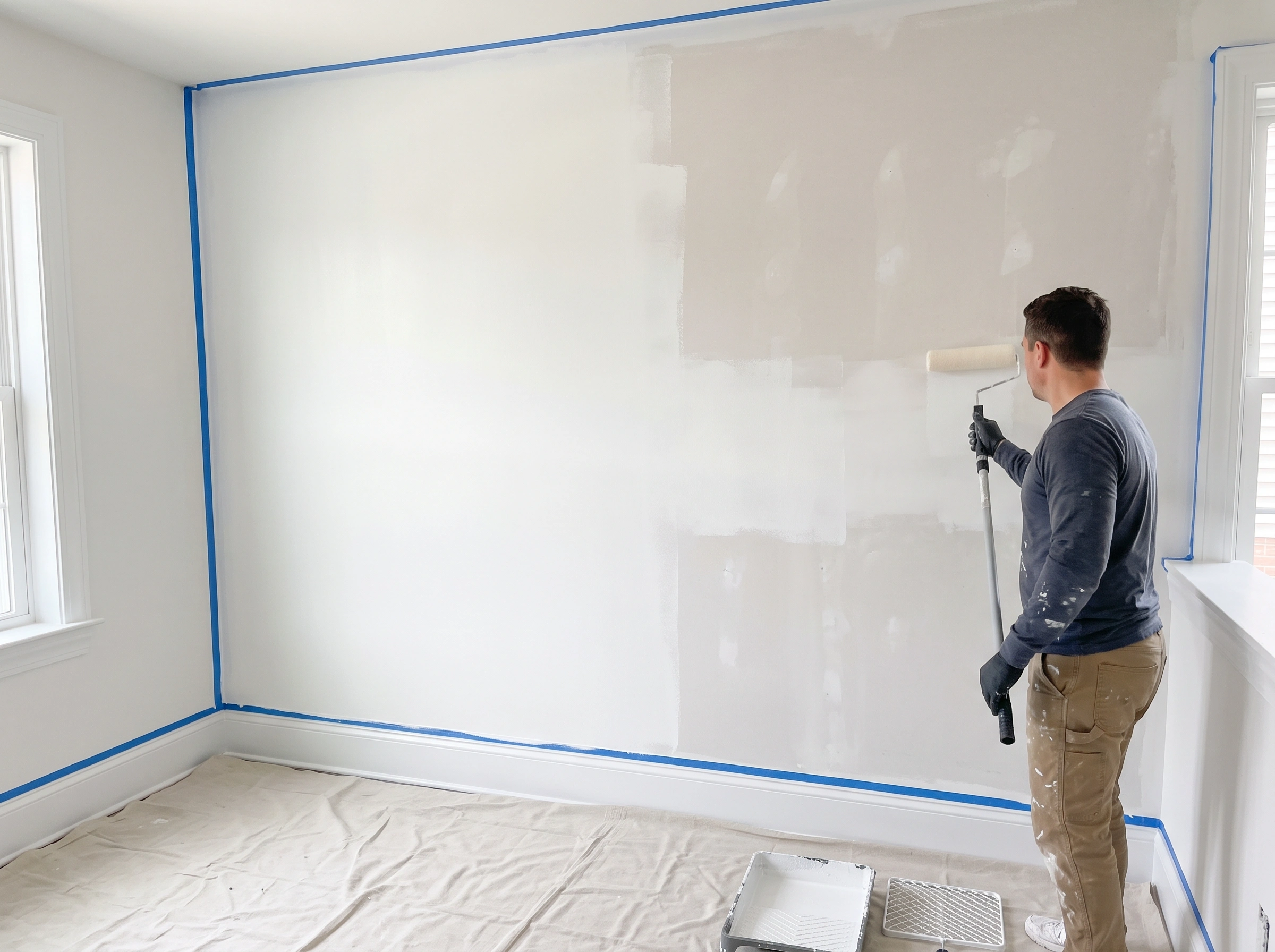
Drywall repair creates the foundation for a better paint job. When cracks, holes, dents, and uneven areas are repaired first, the paint can go over a smoother and more consistent surface.
This helps the finished wall look cleaner. Instead of drawing attention to bumps or rough spots, the new paint can show off the color and finish the way it was intended.
Professional drywall repair also helps prevent the room from looking rushed. A freshly painted room should feel complete, not like damage was simply covered up.
When drywall repair and painting services are done together, the result is usually more polished. The walls are not just painted. They are prepared, repaired, primed, and finished with care.
The Right Repair Process Before Painting
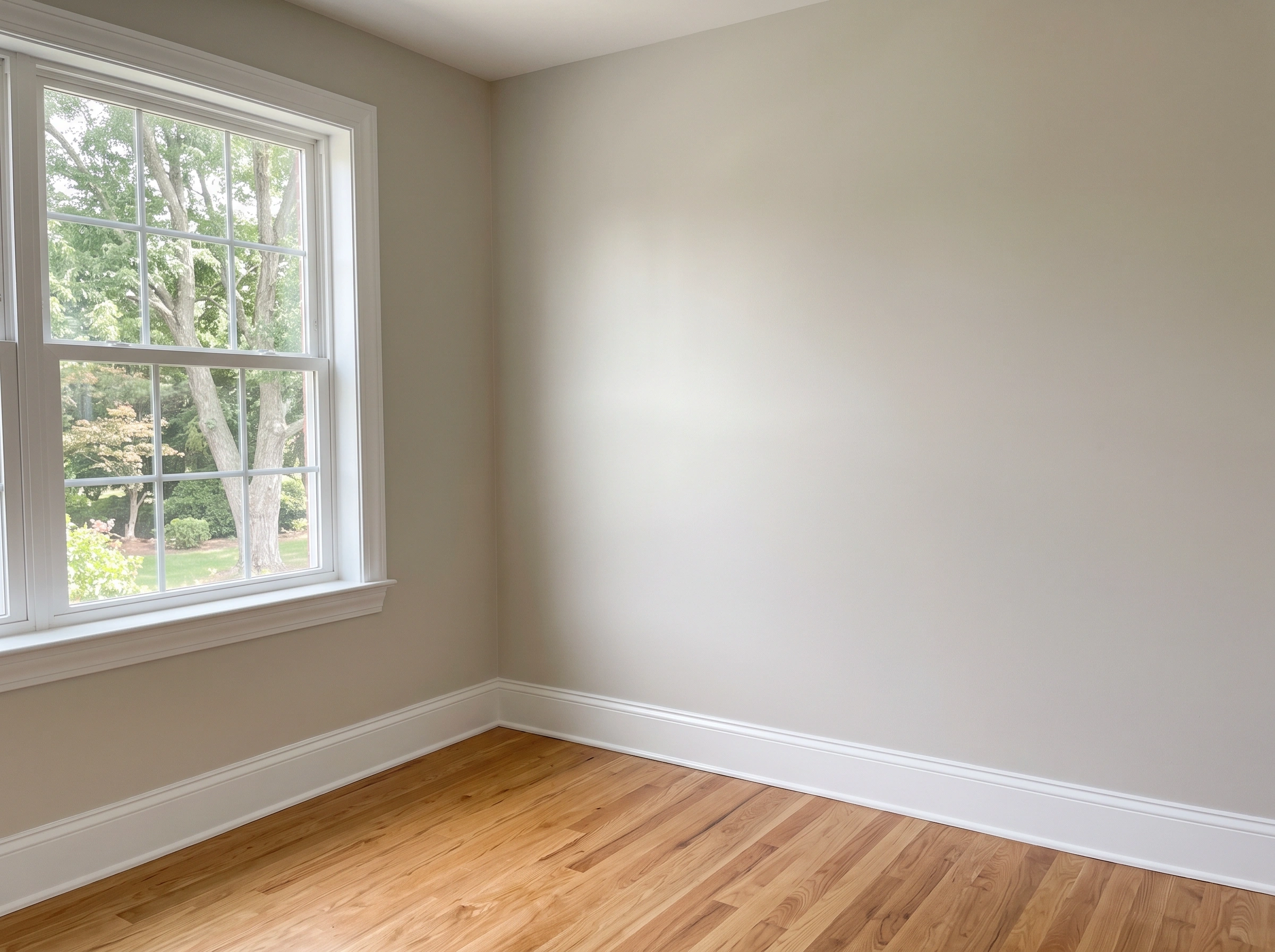
A good interior painting project should start with a close look at the walls. Before any paint is applied, the contractor should inspect the surface for cracks, holes, nail pops, stains, rough patches, and uneven texture.
Once the problem areas are identified, the drywall repair process can begin. Small holes may be patched. Cracks may need joint compound and sanding. Larger damaged areas may require a new drywall section.
After the repairs are made, the surface needs to be sanded smooth. This step is important because rough edges or raised areas can still show through the paint.
Primer is also important, especially over repaired drywall. Repaired areas can absorb paint differently than the rest of the wall. Priming helps create a more even surface and reduces the chance of flashing, where one section looks different after painting.
Why Skipping Drywall Repair Can Cost More Later
Skipping drywall repair may seem like a way to save time, but it can lead to frustration after the project is finished. Once the paint dries, cracks, dents, and rough patches may still be visible.
At that point, the homeowner may need to repair the wall anyway. This can mean sanding through fresh paint, patching the damaged area, priming again, and repainting part or all of the wall.
Doing the repair work first is usually the better approach. It helps protect the investment in interior painting and reduces the chance of needing extra touch-ups later.
A room that is properly repaired before painting looks more complete. The color appears cleaner, the finish looks smoother, and the walls feel more professionally done.
When Should You Call a Professional?
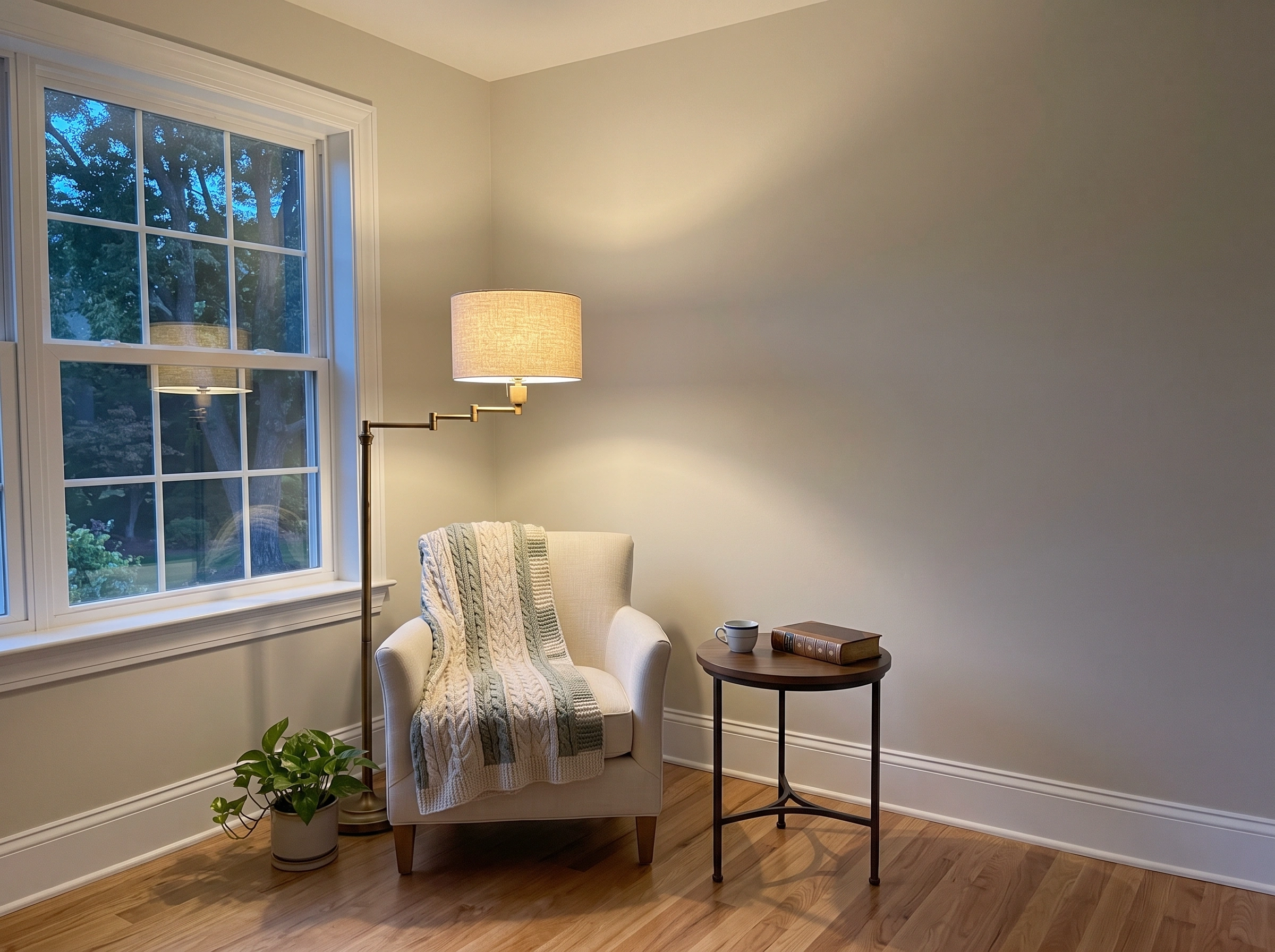
Some very small repairs, such as filling a few nail holes, may be manageable for homeowners who are comfortable with basic tools. However, larger cracks, visible patchwork, ceiling damage, texture issues, water stains, and drywall holes often need professional attention.
A professional can look at the condition of the wall and decide what type of repair is needed. They can also make sure the repaired area is sanded, blended, primed, and ready for paint.
This is especially important in main living areas, entryways, bedrooms, kitchens, and other spaces where wall imperfections are easy to notice.
If you are already planning an interior painting project, it makes sense to address drywall problems before the painting begins. This helps the entire project look cleaner from start to finish.
Final Thoughts
Interior painting can make a major difference in the look and feel of your home, but the walls need to be ready first. Paint can refresh a space, but it cannot hide damaged drywall, rough patches, cracks, or old repairs.
Drywall repair before interior painting helps create smooth walls, better coverage, and a more polished final result. It also helps prevent disappointment after the paint dries.
If your walls have cracks, dents, holes, nail pops, or old patch marks, EJC Painting & Drywall can help prepare your space before painting. Contact us today to request a free estimate.