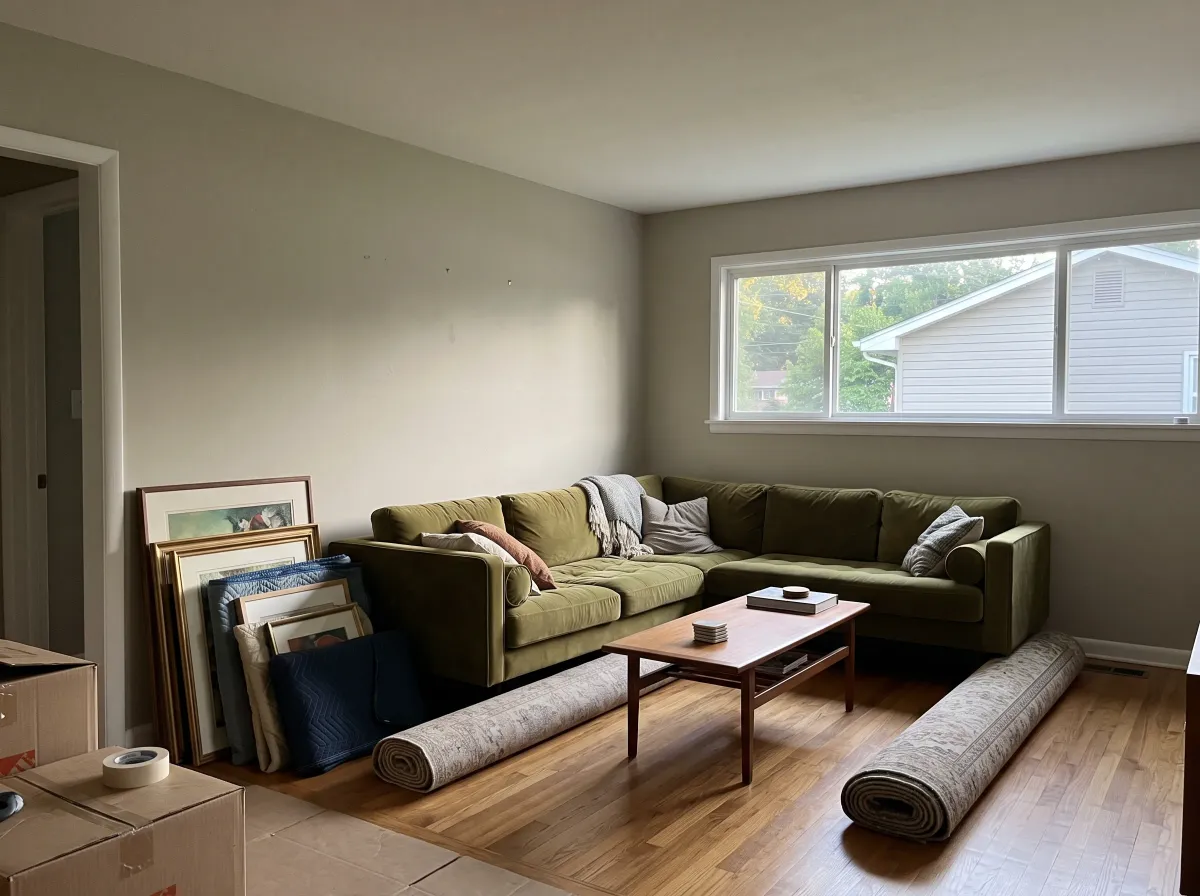
How to Prepare Your Home Before Professional Painters Arrive
Hiring professional painters is an exciting step toward refreshing your home. Whether you're repainting a living room, updating several bedrooms, or giving your home's exterior a new finish, a little preparation can help the project run more smoothly.
For St. Louis homeowners, getting ready for painting day doesn't mean doing the painter's job. Professional crews typically handle technical surface preparation, paint application, and protecting the areas included in their agreed scope of work. Your role is to organize personal belongings, make work areas accessible, and communicate anything the crew should know before starting.
Knowing how to prepare your home before professional painters arrive can reduce interruptions, protect important belongings, and help everyone begin the project with clear expectations.
Start by Confirming the Painting Project Details
Before moving furniture or removing decorations, review the painting project's scope with your contractor. Confirm which rooms and surfaces are included, the selected colors, the paint finishes, and whether ceilings, trim, doors, or exterior details will be painted.
You should also understand which repairs are included. Some projects involve drywall patching, sanding, caulking, or priming before painting, while others may require more extensive preparation.
Ask who will supply the paint, whether furniture moving is included, and how the project will affect access to different parts of your home.
Confirming these details early helps prevent confusion once work begins. It also gives you an opportunity to address questions before the painting crew arrives.
Remove Wall Decorations and Personal Items
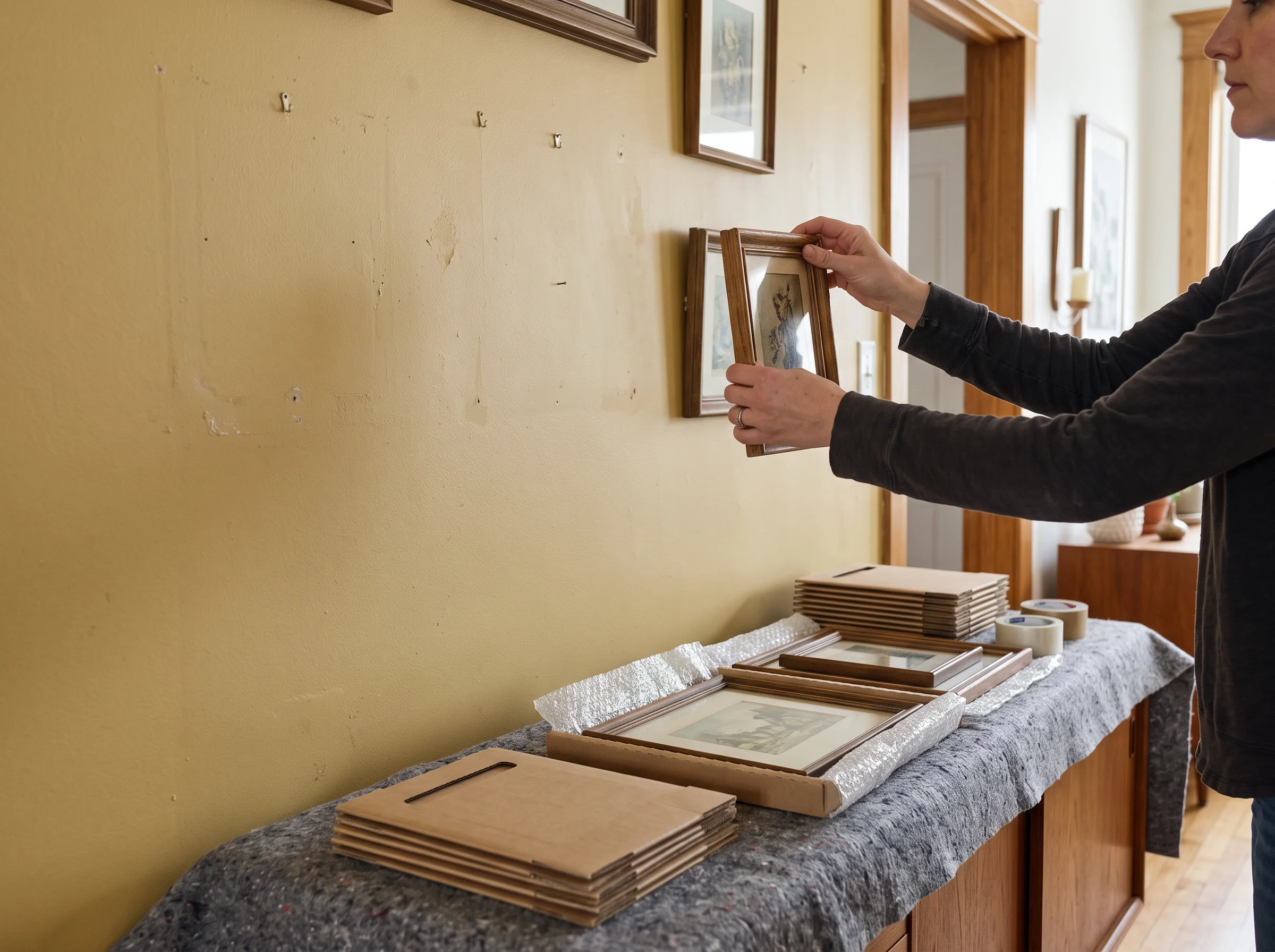
One of the easiest ways to prepare a room for professional painters is to remove personal decorations from the areas being painted.
Take down removable artwork, framed photographs, mirrors, clocks, and lightweight wall decorations. Store fragile items somewhere they won't be disturbed during the project.
This gives painters better access to the walls and reduces the risk of accidentally damaging your belongings.
If you have decorative shelving, mounted televisions, heavy mirrors, or other securely attached fixtures, discuss their removal with the contractor before attempting to move them.
What Should You Do With Nails, Screws, and Wall Anchors?
Not every nail or wall anchor needs to be removed. Some may be necessary for decorations you plan to reinstall after painting.
Before removing hardware, let the crew know which holes should be filled and which fasteners need to remain.
If you're changing the layout of your artwork, this is a good opportunity to identify unwanted holes that can be repaired before repainting.
Move Small Furniture and Clear Access to the Walls
Professional painters need sufficient space to inspect walls, prepare surfaces, and move equipment safely around the room.
Homeowners can help by relocating lightweight furniture such as small tables, floor lamps, decorative chairs, baskets, and movable shelving.
If possible, clear several feet of working space around the walls. This allows the crew to access corners, baseboards, outlets, and other areas requiring attention.
However, you don't necessarily need to empty every room.
Large sofas, beds, cabinets, and other heavy furniture should be discussed with the painting contractor. Depending on the agreed scope, the crew may move or cover some pieces while preparing the work area.
EJC Painting & Drywall's preparation process includes protecting floors, furniture, and surrounding surfaces before painting begins. Confirm any specific furniture-moving arrangements ahead of time.
Protect Valuables, Electronics, and Delicate Belongings

Painting projects involve moving equipment, preparing surfaces, and temporarily changing how a room is organized.
Even when painters take precautions, it's wise to remove fragile or valuable items from the work area.
Consider relocating collectibles, decorative glassware, important documents, small electronics, jewelry, and delicate furniture accessories.
For televisions, entertainment systems, computers, or mounted electronics, discuss whether they should be disconnected, removed, or protected.
If your home contains antiques or particularly delicate furnishings, let the crew know during the initial walkthrough.
Taking care of these belongings yourself helps keep them safe and allows painters to concentrate on their work.
Identify Drywall Damage Before Painting Begins
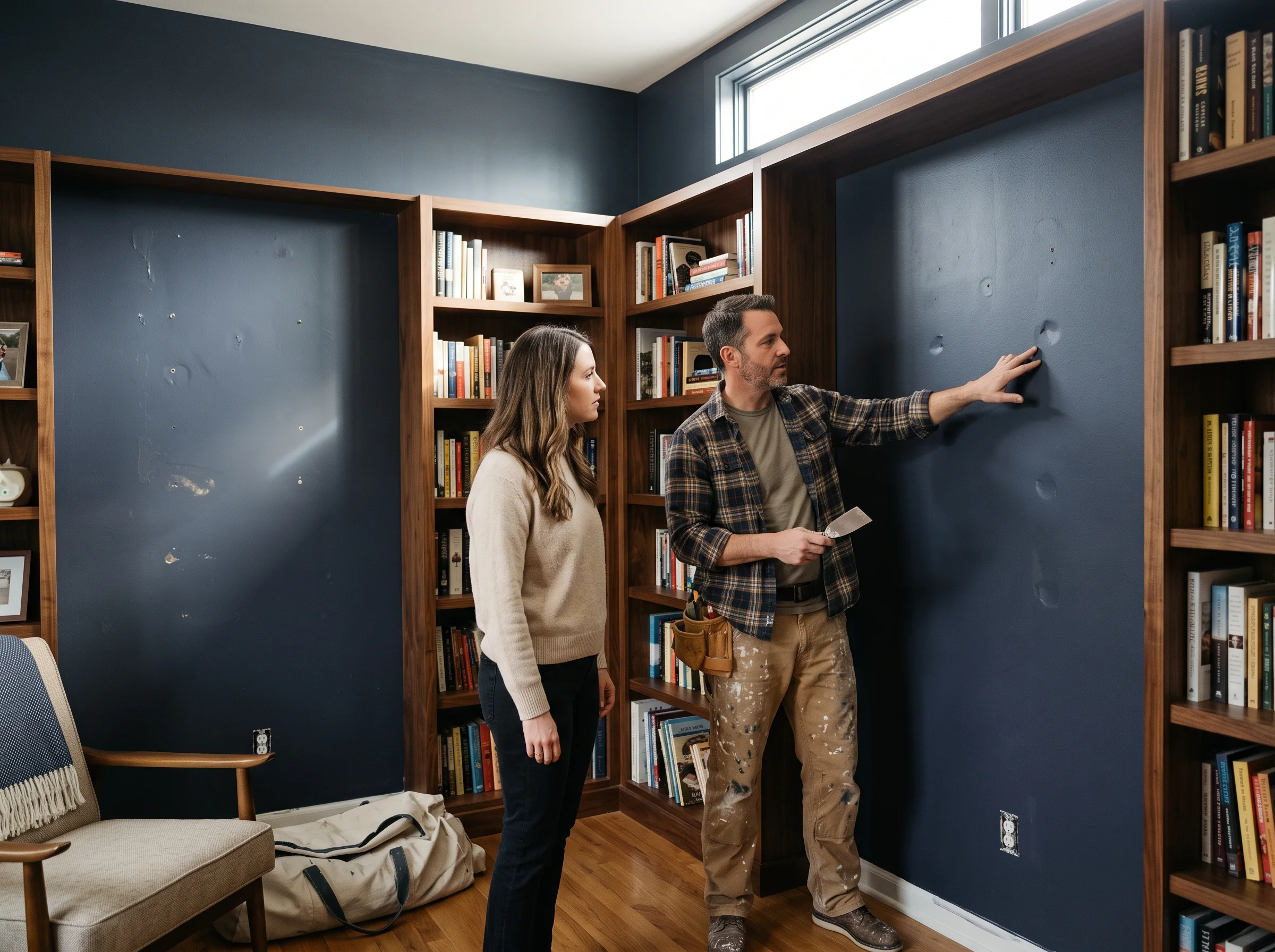
Fresh paint can improve the appearance of a room, but it cannot hide every surface imperfection. Cracks, dents, nail pops, damaged corners, and rough drywall patches may remain visible after repainting.
Before your painters arrive, walk through the areas being painted and note any damage that needs attention.
Check behind furniture, around door frames, along stairways, and near areas where shelves or decorations were previously installed.
Look for old patch marks, small holes, uneven seams, water stains, and cracks that may require repair.
Pointing out these issues early allows the contractor to determine whether the repairs are included in the estimate or require additional work.
Should You Patch Drywall Holes Yourself?
That depends on the scope of your painting project.
If professional drywall repair is already included, it's often better to leave the patching, sanding, and surface preparation to the crew responsible for the finished paint.
An improperly repaired hole may create a raised patch or texture difference that remains visible after painting.
EJC Painting & Drywall provides drywall installation, finishing, and repair services, helping homeowners address wall imperfections before applying a new finish.
Discuss Wall Cleaning and Surface Preparation
Walls can collect dust, fingerprints, grease, cooking residue, and other contaminants over time. These substances may interfere with paint adhesion if they aren't properly removed.
Before painting day, ask whether wall cleaning is included in the contractor's preparation process.
Kitchens, bathrooms, laundry rooms, and high-traffic hallways may need extra attention because of moisture, oils, or everyday contact.
If you are responsible for any cleaning, use the method recommended by the contractor and allow surfaces to dry completely.
Avoid unnecessary sanding, scraping, or applying primers yourself unless you've agreed on those steps.
Professional surface preparation should be coordinated so the walls are properly cleaned, repaired, and ready for the selected paint.
Make Arrangements for Children and Pets
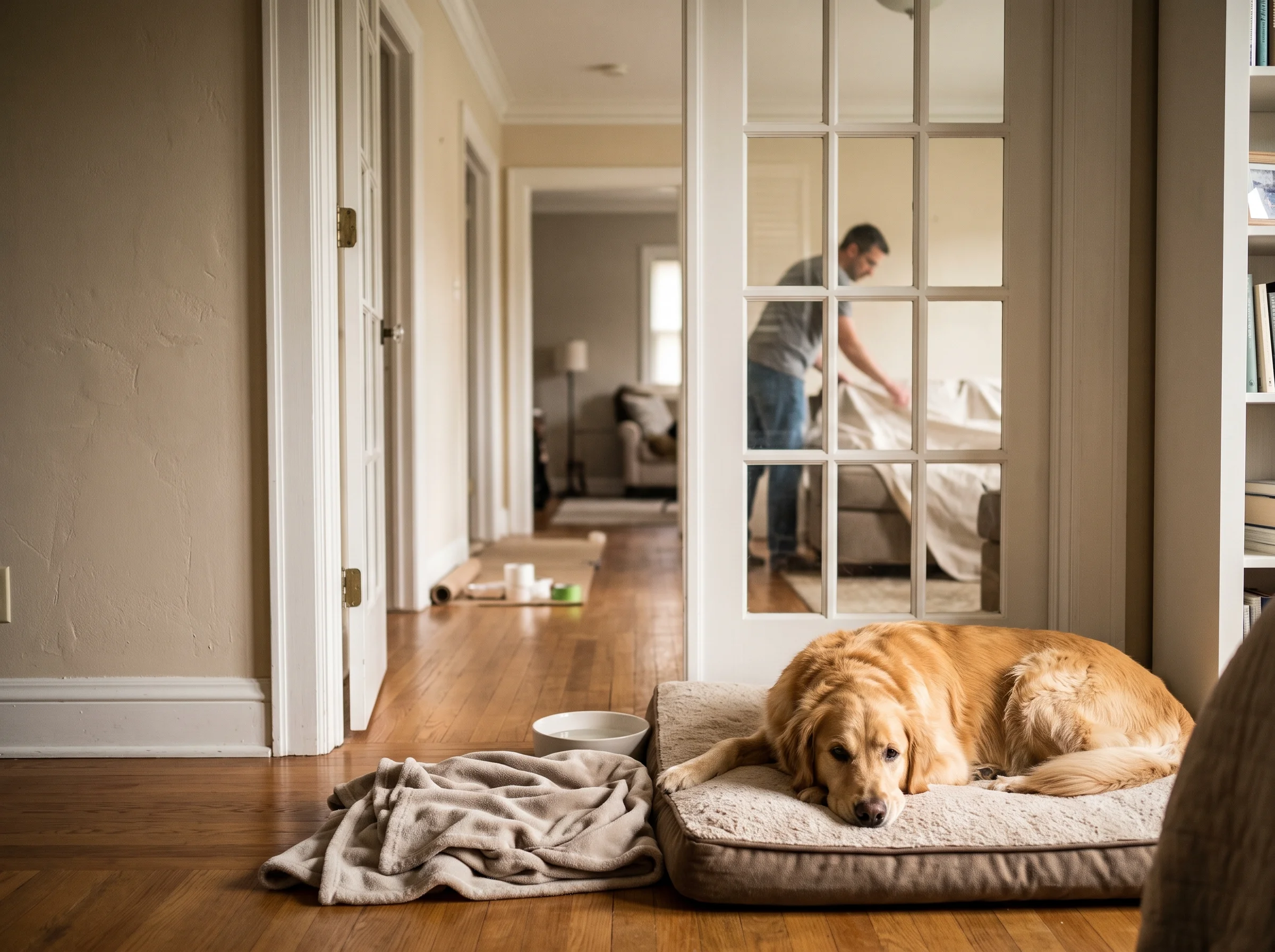
Painting projects can temporarily change how your family uses certain rooms.
Crew members may be carrying equipment, using ladders, preparing drywall, or applying paint. Keeping children and pets away from active work areas helps reduce interruptions and potential accidents.
If you have pets, consider arranging a separate room away from the painting area or having them stay elsewhere during particularly busy stages of the project.
Dogs and cats may also be sensitive to unfamiliar visitors, equipment, and changes in their environment.
For households with young children, identify safe areas that will remain accessible throughout the work.
Discuss these arrangements with the painting crew before the project begins so everyone understands which areas need to remain clear.
Plan for Ventilation and Daily Household Activities
An interior painting project may temporarily limit access to bedrooms, bathrooms, kitchens, hallways, and other frequently used areas.
Ask your contractor which rooms will be unavailable during preparation, painting, and drying.
You may need to adjust work-from-home arrangements, sleeping areas, meal preparation, or daily routines depending on the project's size.
Ventilation is another important consideration. Appropriate airflow can help manage paint odors and support drying, but the best approach depends on the coating, weather, and indoor conditions.
Follow the painter's recommendations for ventilation and room access.
Remember that paint may feel dry to the touch before it has fully cured. Ask when furniture can be returned, walls can be cleaned, and decorations can be rehung.
Clear Hallways, Entryways, and Work Access
A clear path between the entrance and the painting area helps the crew bring in materials and equipment without unnecessary obstacles.
Remove shoes, small rugs, toys, delivery boxes, and other items from hallways or access routes.
Make sure the crew can reach the rooms included in the project without repeatedly moving household belongings.
If parking is limited, discuss where work vehicles can be parked. Homeowners in condominiums or managed communities should also check whether there are contractor access rules.
For properties with gates, security systems, or special entry instructions, communicate those details before the crew arrives.
These simple arrangements help the project begin in an organized way.
What Should You Do Before Exterior Painters Arrive?
Exterior painting requires preparation around the outside of your home.
If your project includes siding, trim, shutters, doors, fascia, or porch details, painters need access to those surfaces.
Move portable outdoor furniture, grills, children's toys, decorations, and planters away from work areas where practical.
Check whether gates are unlocked and whether the crew will need access to outdoor electrical outlets or water.
If you have an irrigation system, discuss whether watering schedules should be adjusted to keep work areas dry.
Landscaping may also affect access to exterior walls. Let the contractor know about delicate plants, garden beds, or areas that require special care.
Don't attempt elevated trimming, fixture removal, or other potentially hazardous preparation without coordinating with the professionals.
A clear, accessible exterior helps the crew protect surrounding areas and prepare surfaces correctly.
Tell Your Painters About Previous Repairs and Problem Areas
Homeowners often know details about their property that may not be obvious during a painting estimate.
Perhaps a wall crack keeps returning, a section of exterior trim has peeled repeatedly, or a ceiling has been repaired after a previous leak.
Sharing that information can help the contractor identify areas requiring additional inspection.
Point out recurring drywall cracks, previous water damage, uneven patchwork, persistent stains, or surfaces where earlier paint did not adhere well.
For exterior projects, mention any history of leaking gutters, damp siding, or damaged trim.
Some problems require corrective work before painting begins. Active moisture intrusion, deteriorated materials, and unresolved structural issues should not simply be covered with paint.
Clear communication helps ensure the preparation plan reflects the actual condition of the home.
Prepare Older St. Louis Homes for Safe Painting Work
Older homes may require additional planning before painting begins.
Established communities such as Kirkwood, Webster Groves, Maplewood, Richmond Heights, and St. Louis City include homes with older painted trim, doors, windows, and wall surfaces.
If your home was built before 1978, let your contractor know before any sanding, scraping, demolition, or other paint-disturbing work begins.
The EPA explains that pre-1978 homes are more likely to contain lead-based paint. Under its Renovation, Repair and Painting Rule, contractors performing covered work must follow applicable certification and lead-safe work requirements.
Homeowners should avoid scraping or sanding potentially lead-containing painted surfaces as part of routine preparation.
For more information, review the EPA's Renovation, Repair and Painting guidance for homeowners.
What Should You Expect When Professional Painters Arrive?
When the painting crew arrives, the project typically begins with confirming the work areas and reviewing the agreed scope.
The team may inspect surfaces, verify paint colors, discuss any necessary repairs, and determine how to protect floors, furniture, and nearby belongings.
Depending on the project, professional preparation may include drywall patching, sanding, caulking, cleaning, priming, and masking adjacent surfaces.
Painting begins after the necessary preparation is complete and surfaces are ready.
EJC Painting & Drywall emphasizes careful preparation, clean application, and a final inspection as part of its professional painting services.
Knowing what to expect helps homeowners feel more comfortable throughout the process and makes it easier to communicate questions as they arise.
Your Final 24-Hour Painting Preparation Checklist
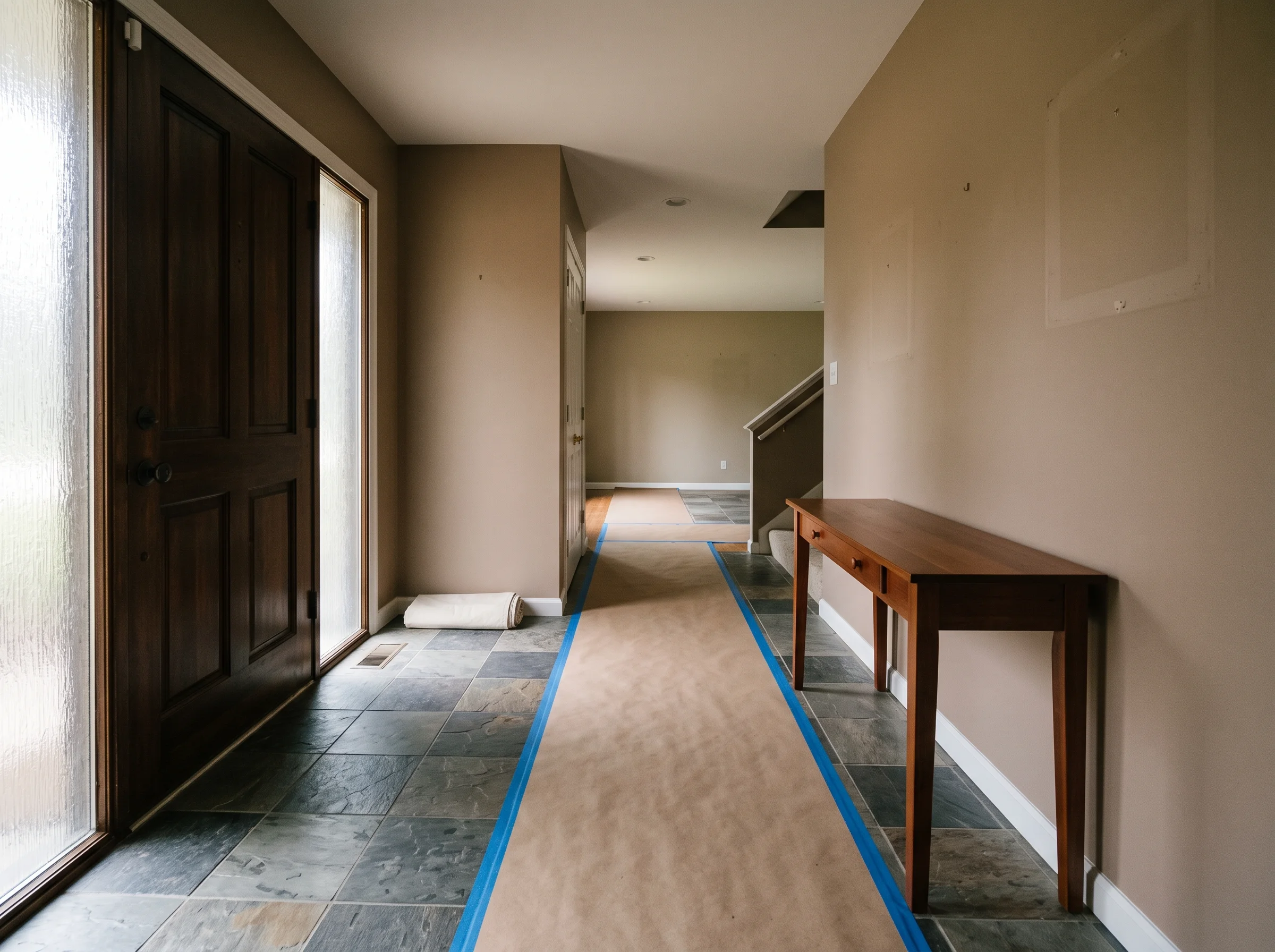
The day before your painting project begins, review this checklist to make sure your home is ready.
Confirm the rooms, surfaces, colors, and paint finishes with the crew.
Remove artwork, photographs, mirrors, and other removable wall decorations.
Store fragile items, collectibles, and small electronics safely.
Move lightweight furniture and clear access to the walls.
Identify drywall holes, cracks, stains, and previous repairs.
Arrange a safe place for pets and children during active work.
Clear hallways, entrances, and other access routes.
Confirm parking, arrival time, and property access instructions.
Move portable outdoor belongings if exterior painting is included.
Clarify who will handle heavy furniture, fixtures, and final surface preparation.
You don't need to complete every technical preparation task yourself. The goal is to make your home accessible, protect personal belongings, and ensure everyone understands the project.
Painting Services for St. Louis and Surrounding Communities
EJC Painting & Drywall serves homeowners throughout St. Louis County, St. Charles County, and nearby communities.
From older homes in Kirkwood and Webster Groves to residential properties in Ballwin, Chesterfield, and Frontenac, painting preparation can vary depending on the home's age, layout, and surface condition.
In St. Charles County communities such as Wentzville, Cottleville, Dardenne Prairie, O'Fallon, and St. Charles, homeowners may be preparing for full-room repaints, drywall repairs, finished basement updates, or exterior painting projects.
EJC Painting & Drywall helps homeowners plan painting and drywall work with attention to surface preparation, property protection, and clean finishes.
Whether you need one room repainted or several areas refreshed, understanding what to prepare beforehand can make the experience more convenient.
Frequently Asked Questions About Preparing for Professional Painters
Do I need to move all my furniture before painters arrive?
Not necessarily. You can usually help by removing small furniture and personal belongings. Discuss large or heavy items with your contractor to confirm what furniture moving or protection is included.
Should I clean my walls before professional painters come?
Ask your painting contractor first. Professional surface preparation may already include cleaning. If you're responsible for cleaning, follow the recommended method and ensure the walls are dry before painting begins.
Should I remove pictures and wall decorations?
Yes. Removing easily detachable artwork, mirrors, photographs, and decorations gives painters better access to the walls. Ask which nails, screws, and wall anchors should remain before removing hardware.
Will professional painters repair drywall holes?
Many painting contractors offer drywall repair, but the work included depends on your estimate. EJC Painting & Drywall provides drywall repair and finishing services, so discuss cracks, holes, and damaged areas before painting begins.
Do I need to leave my house while it is being painted?
Not always. Many homeowners remain at home during interior painting projects. However, you may need to avoid active work areas and make arrangements for pets, children, ventilation, or temporary room access.
How long before I can move furniture back after painting?
The appropriate timing depends on the paint product, environmental conditions, and how the surfaces will be used. Follow your painter's instructions and allow adequate drying and curing time before placing furniture against freshly painted walls.
Final Thoughts
Preparing your home before professional painters arrive doesn't have to be complicated. Clearing personal belongings, discussing drywall repairs, confirming the scope of work, and making the property accessible can help the project proceed smoothly.
You don't need to handle every preparation task yourself. Professional painters take care of the surface preparation, protection, and application work included in the agreed project.
If you're planning an interior or exterior painting project in St. Louis or the surrounding communities, EJC Painting & Drywall can help with painting, drywall repair, and professional surface preparation.
Call 314-471-4563 or contact EJC Painting & Drywall to request a free estimate.