The Complete Homeowner’s Guide to Painting and Drywall Services in St. Louis and Surrounding Areas
The Complete Homeowner’s Guide to Painting and Drywall Services in St. Louis and Surrounding Areas
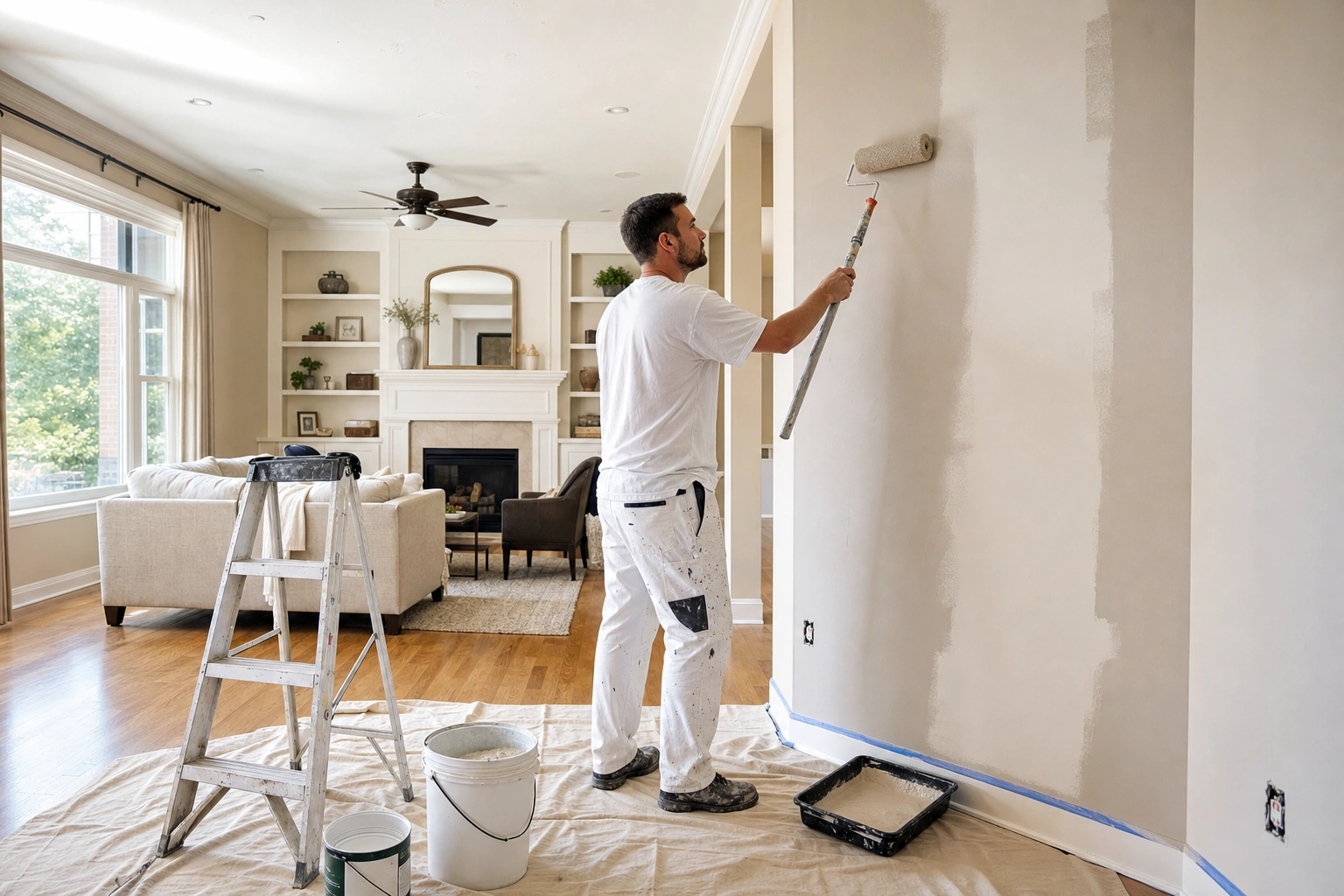
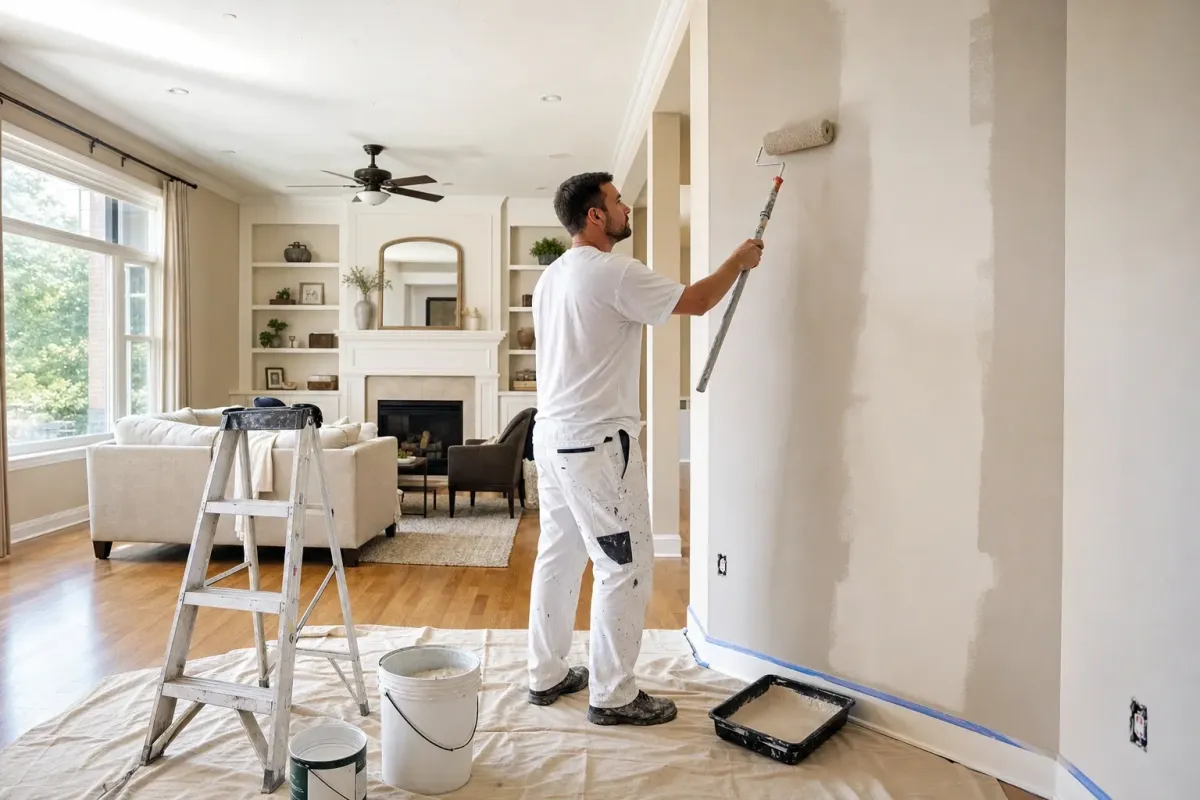
When most homeowners think about improving the look and feel of their home, painting is usually one of the first projects that comes to mind. A fresh coat of paint can brighten a room, update an older space, improve curb appeal, and make a home feel cleaner and more comfortable.
But great paint results depend on more than color. Before the first coat goes on, the surface underneath needs to be smooth, clean, repaired, and properly prepared. That is where drywall work becomes just as important as the paint itself.
Drywall and painting often go hand in hand. If your walls have cracks, holes, dents, water stains, uneven seams, or old patchwork, those issues can still show after painting. In some cases, fresh paint can even make surface flaws more noticeable.
For homeowners in St. Louis, professional painting and drywall services can help restore damaged walls, refresh outdated interiors, protect exterior surfaces, and improve the overall appearance of the home. Whether you are repainting one room or preparing for a larger remodel, both services play an important role.
This guide explains what painting and drywall services include, when homeowners may need them, how the process works, and why hiring a professional contractor can make a big difference in the final result.
Why Painting and Drywall Services Matter for Your Home
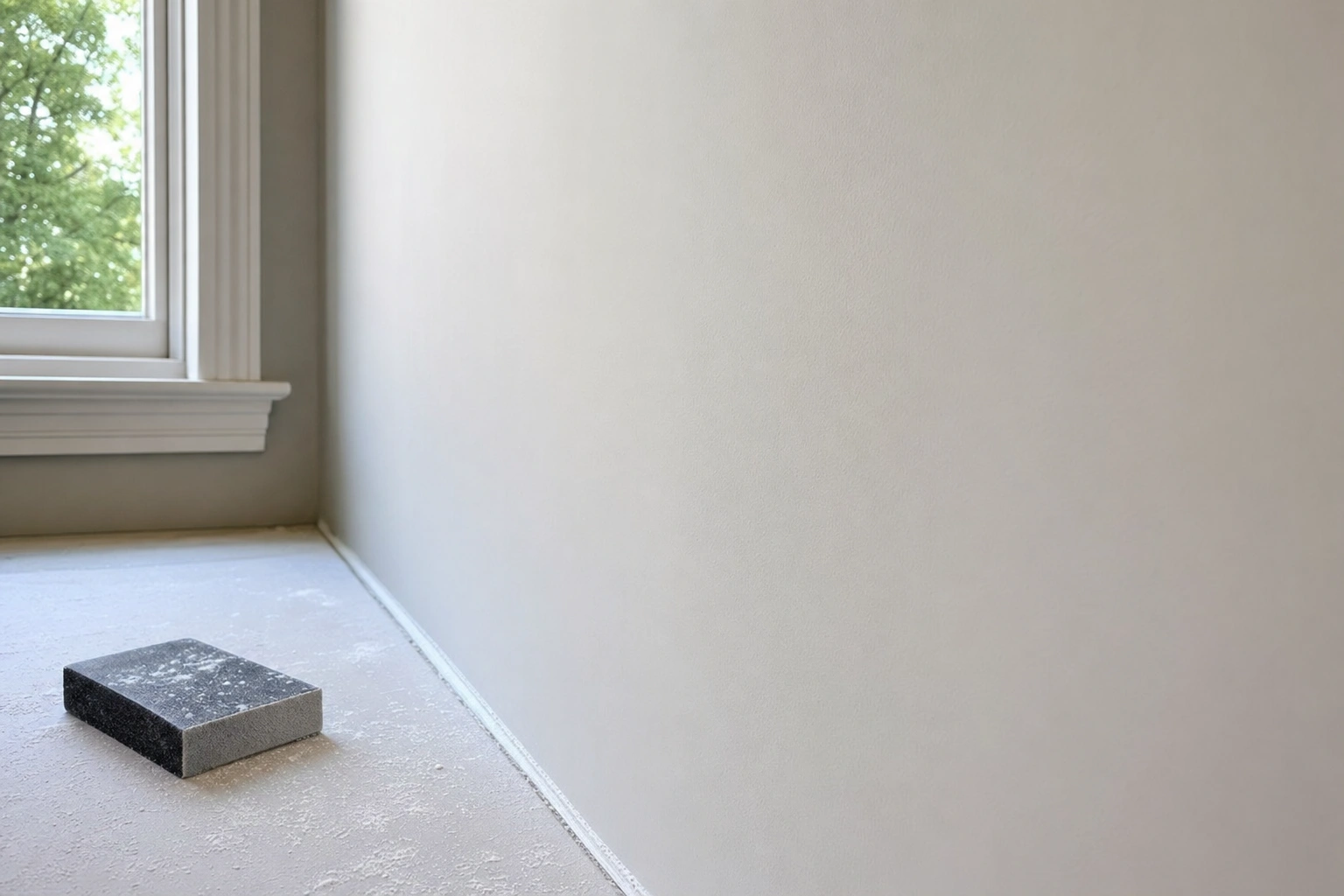
Painting and drywall services affect the way your home looks, feels, and functions every day. Walls, ceilings, trim, and exterior surfaces are some of the most visible parts of a home. When they look worn, damaged, or unfinished, the entire space can feel neglected.
Paint does more than change color. Interior paint helps create the mood of a room, adds personality, and gives older spaces a cleaner appearance. Exterior paint helps protect surfaces from sun, moisture, temperature changes, and everyday exposure to St. Louis weather.
Drywall is the foundation behind many of those finished surfaces. Smooth drywall makes painted walls look polished and professional. Damaged drywall, on the other hand, can make even high-quality paint look uneven, rushed, or incomplete.
Many homeowners do not realize how much surface preparation affects the final result. Small dents, nail pops, poor seams, and rough patches can become easy to see after painting, especially when natural light hits the wall at an angle.
That is why painting and drywall services are often best handled together. When drywall is repaired, finished, sanded, primed, and painted correctly, the finished room looks cleaner and lasts longer.
Paint Improves More Than Appearance
A fresh coat of paint can completely change the way a room feels. Dark rooms can feel brighter, dated colors can be modernized, and high-traffic areas can look clean again. Interior painting is one of the most practical ways to refresh a home without a full renovation.
Paint also helps protect surfaces. In busy homes, walls take abuse from furniture, kids, pets, moisture, fingerprints, and daily activity. The right paint finish can make walls easier to clean and better suited for the way each room is used.
Exterior painting is equally important. Outside surfaces face rain, humidity, heat, cold, wind, and sun exposure. When exterior paint starts peeling, cracking, or fading, it can affect both curb appeal and surface protection.
For St. Louis homeowners, seasonal weather changes make exterior maintenance especially important. A professional exterior painting project can help protect siding, trim, doors, shutters, and other painted surfaces while giving the home a fresh, updated look.
Drywall Creates the Foundation for a Smooth Finish
Drywall is one of the most common materials used for interior walls and ceilings. When it is properly installed and finished, it creates a smooth surface for paint, texture, and other finishes. When it is damaged or poorly finished, the problems are easy to see.
Common drywall issues include cracks, holes, dents, damaged corners, loose tape, nail pops, uneven seams, and water stains. Some problems are small and cosmetic. Others may point to moisture issues, settling, or larger repair needs.
Drywall repair is especially important before painting. Paint can cover color differences, but it cannot fix an uneven wall. A rough patch, raised seam, or poorly sanded repair can still show through the final coat.
Professional drywall work helps create a better surface before painting begins. This includes patching damage, applying joint compound, sanding, blending the repair, priming the area, and making sure the finished wall is ready for paint.
What Is Included in Professional Painting Services?
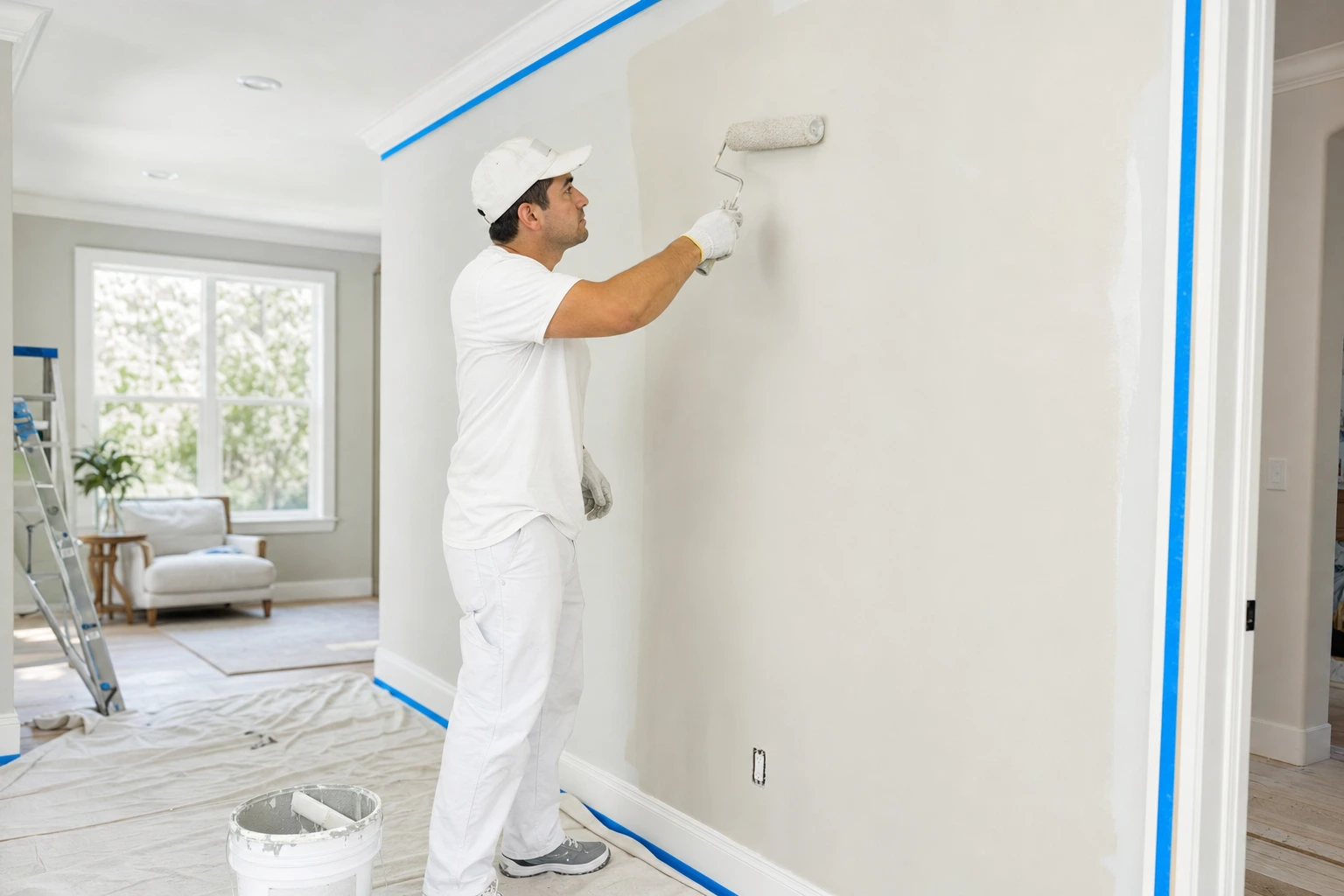
Professional painting services usually include much more than applying paint to a wall. A quality painting project starts with preparation, planning, surface protection, and attention to detail. The goal is to create a clean, even finish that looks good and holds up over time.
For homeowners, painting may involve one room, several rooms, a full interior repaint, exterior surfaces, trim, doors, ceilings, or touch-ups. Each type of project requires the right materials, tools, and process.
Professional painters also help identify issues that should be addressed before painting. This may include drywall damage, peeling paint, nail holes, cracked caulk, stains, rough surfaces, or moisture-related problems.
Interior Painting
Interior painting can include walls, ceilings, trim, baseboards, doors, closets, stairways, hallways, kitchens, bathrooms, bedrooms, living rooms, and finished basements. Each space has different needs based on lighting, traffic, moisture, and surface condition.
A bedroom may need a soft, clean color that makes the room feel peaceful. A hallway may need a more durable finish because it sees more contact from hands, furniture, and daily use. A bathroom may need paint that performs better in humid conditions.
Professional interior painters understand how to prepare each surface. They may fill nail holes, sand rough areas, repair minor drywall damage, protect floors and furniture, apply primer where needed, and use clean lines around trim, ceilings, and doors.
Interior painting is also a good time to update the overall style of a home. Fresh colors can make older spaces feel brighter and more current without major construction. Even repainting trim and doors can make a noticeable difference.
Exterior Painting
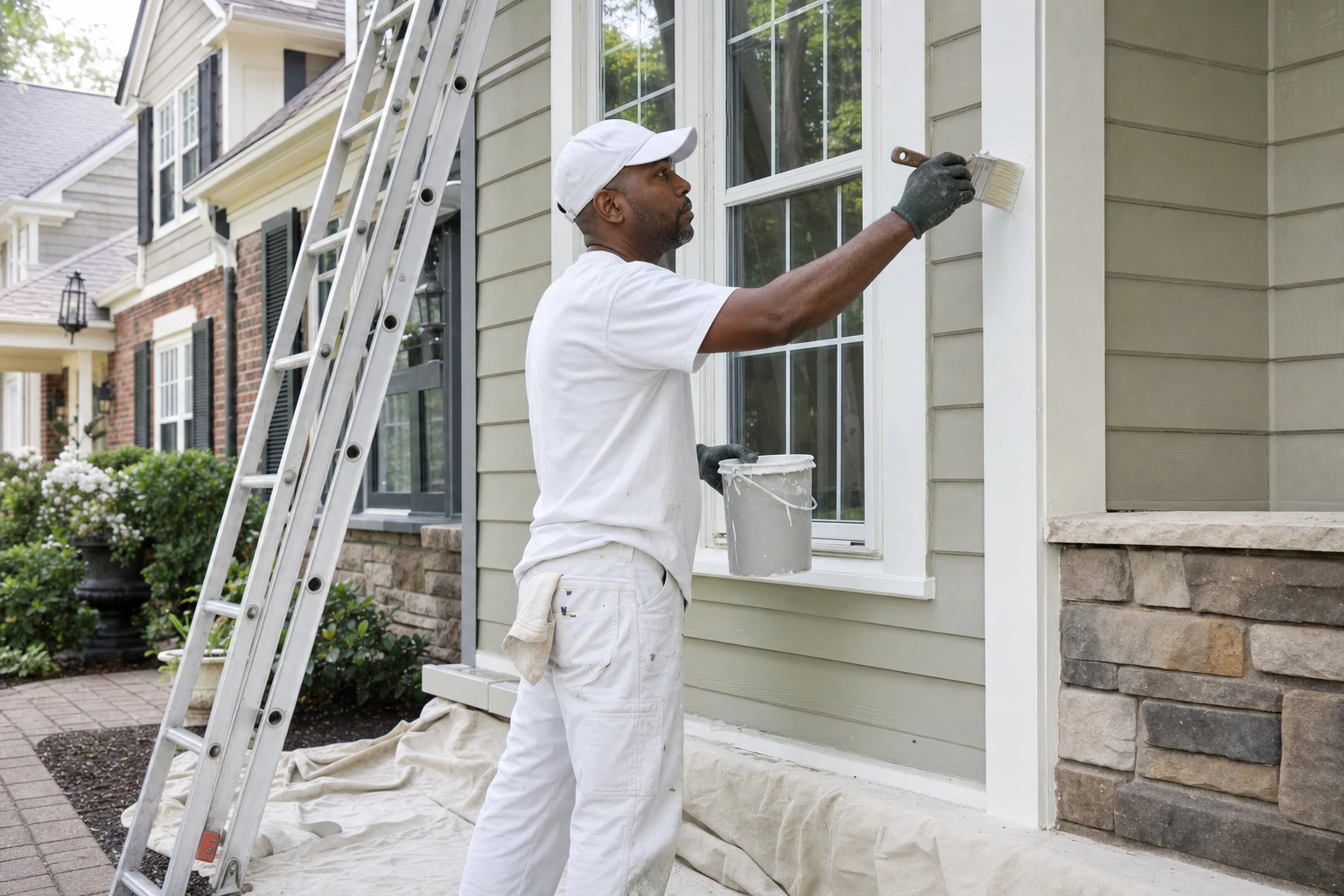
Exterior painting focuses on both appearance and protection. Depending on the home, it may include siding, trim, shutters, doors, porches, railings, fascia, soffits, or other exterior surfaces that need a fresh finish.
Exterior paint must stand up to weather. In the St. Louis area, homes experience heat, humidity, rain, cold winters, and seasonal changes. Poor prep or the wrong product can lead to peeling, cracking, bubbling, or early fading.
A professional exterior painting project usually starts with surface inspection and preparation. This can include cleaning, scraping loose paint, sanding, caulking gaps, repairing damaged areas, priming bare surfaces, and choosing paint suited for exterior conditions.
Exterior painting can also improve curb appeal quickly. A fresh color on the siding, updated trim, or a newly painted front door can make a home look more cared for and welcoming from the street.
Painting Prep Work
Preparation is one of the biggest differences between a quick paint job and a professional finish. Paint needs a clean, stable, smooth surface. If the surface is dusty, damaged, glossy, stained, or uneven, the finished result may not look right.
Interior prep may include moving or covering furniture, protecting floors, removing outlet covers, taping edges, filling holes, sanding rough areas, repairing drywall, caulking trim gaps, and priming repaired or stained areas.
Exterior prep may include washing surfaces, removing loose paint, sanding, caulking, repairing minor damage, masking windows, and protecting nearby landscaping or walkways. These steps help the paint bond properly and create a cleaner result.
Skipping prep work can lead to visible flaws, poor coverage, uneven sheen, or paint failure. That is why a professional painting contractor spends time preparing before painting begins.
What Is Included in Professional Drywall Services?
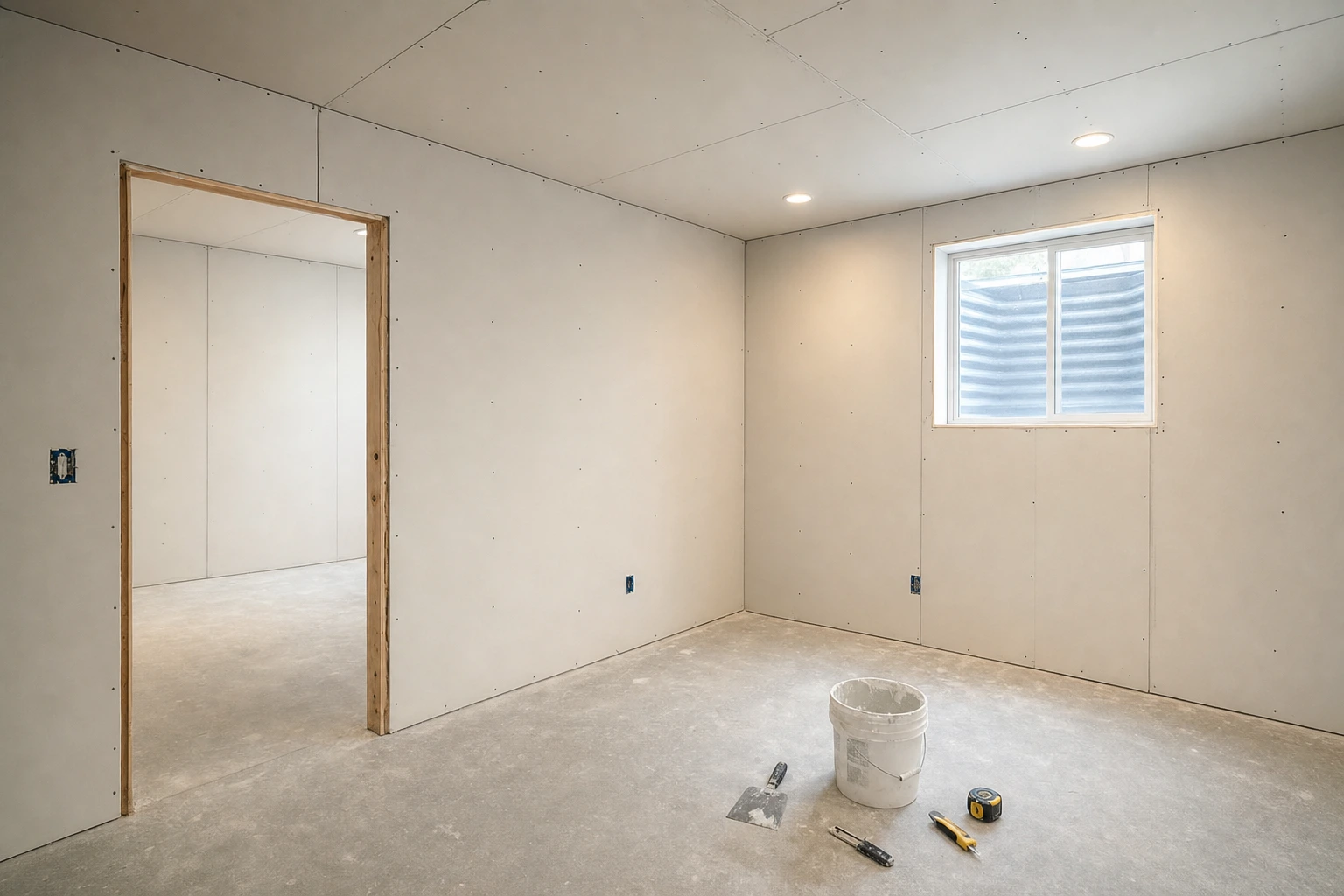
Drywall services include installation, hanging, taping, mudding, sanding, finishing, and repair. These services are needed for remodeling projects, new construction, damaged walls, ceiling repairs, basement finishing, room additions, and painting preparation.
Drywall work can look simple from a distance, but it takes skill to make seams disappear, blend repairs, match textures, and create a smooth surface. Poor drywall work is easy to notice after paint is applied.
Professional drywall services help homeowners repair damage, finish new spaces, and prepare rooms for painting. Whether the project is small or large, the quality of the drywall work affects the final appearance of the space.
Drywall Installation
Drywall installation is needed when new walls or ceilings are being built. This may happen during a remodel, basement finish, room addition, garage update, or new construction project. Sheets of drywall are measured, cut, fitted, and attached to the framing.
Proper installation matters because gaps, poor cuts, loose panels, or uneven placement can create problems during finishing. A clean installation makes the taping, mudding, and sanding process smoother.
Drywall installation can also be part of a larger home improvement project. For example, a homeowner may remove old paneling, open a wall, finish a basement, or update a damaged room. Once the drywall is installed, it must be finished before paint.
New drywall should not be painted immediately after installation. It needs tape, joint compound, sanding, primer, and sometimes texture work before the final paint is applied.
Drywall Hanging, Taping, and Mudding
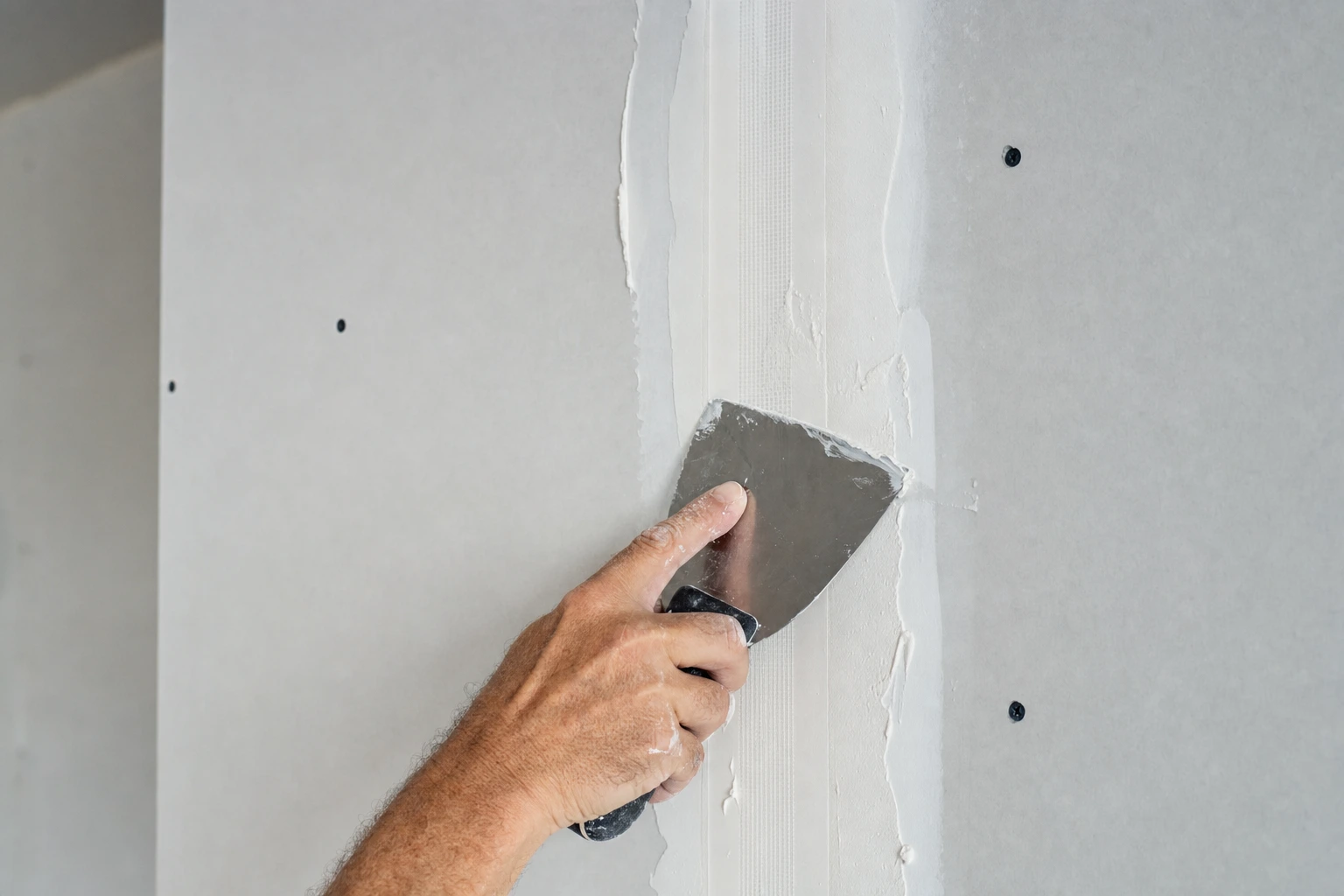
Drywall hanging is the process of placing and fastening drywall sheets. Once the panels are in place, the seams between sheets must be taped and covered with joint compound, often called mud.
Taping and mudding help hide seams, fasteners, and corners. The compound is applied in layers, allowed to dry, and sanded between coats. This process creates a smooth transition between sheets so the wall looks like one continuous surface.
Corners, edges, and ceiling joints require extra attention. If they are not finished properly, they can look wavy, cracked, or uneven after painting. Good drywall finishing takes patience and a steady hand.
For homeowners, this part of the project can be messy and time-consuming. It also affects the final look of the room. A wall that is not properly taped and sanded may show lines, ridges, or bumps through the paint.
Drywall Finishing
Drywall finishing is the stage that prepares the wall or ceiling for paint. It includes smoothing seams, covering fasteners, sanding rough areas, blending repairs, and making sure the surface is ready for primer.
A good finish should look smooth and consistent. When light hits the wall, the seams and patches should not stand out. This is especially important in rooms with large windows, bright lighting, or darker paint colors.
Some homes also have textured walls or ceilings. In those cases, drywall repair may involve matching the existing texture so the repaired area does not look different from the surrounding surface.
Drywall finishing is one of the most important steps before painting. Even a small repair needs to be feathered, sanded, and primed correctly so the paint blends evenly.
Drywall Repair
Drywall repair is one of the most common services homeowners need before painting. Damage can come from moving furniture, doorknobs, plumbing leaks, settling, nail pops, kids, pets, or previous repairs that were not done well.
Small holes and dents may only need patching and sanding. Larger holes may require a new piece of drywall. Water-damaged drywall may need to be removed and replaced, especially if the material is soft, swollen, stained, or compromised.
Ceiling drywall repairs can be more difficult because gravity, lighting, and texture can make imperfections more noticeable. Cracks, stains, and sagging areas should be inspected before the surface is painted.
Professional drywall repair helps restore the wall or ceiling before painting. The repair should blend into the surrounding area so the final paint finish looks clean and natural.
Why Drywall Repair Should Come Before Painting
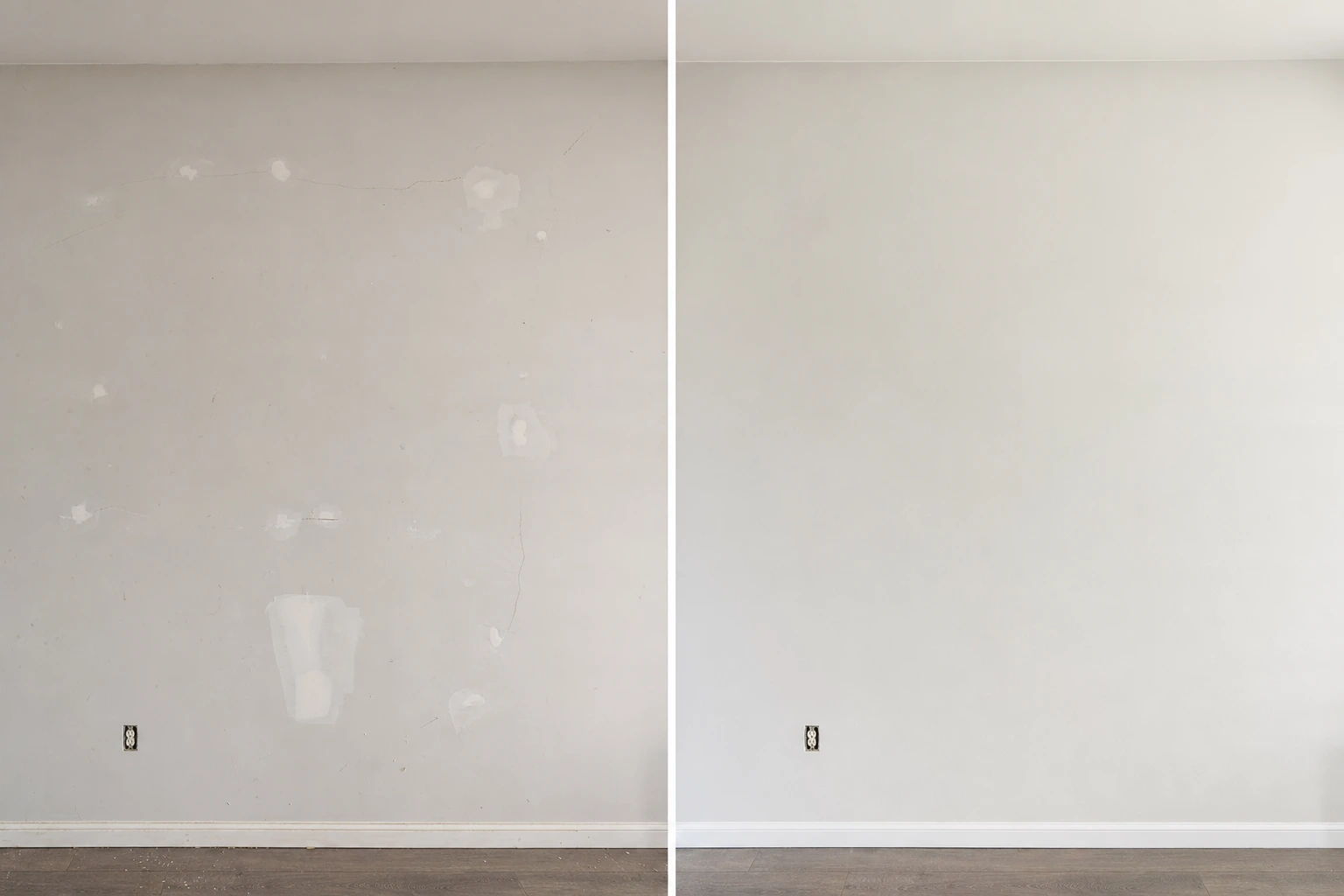
Painting over damaged drywall is one of the most common mistakes homeowners make. It may seem like paint will hide the problem, but that usually does not happen. Paint changes the color of the wall, but it does not correct the shape or texture of the surface.
If a wall has dents, cracks, holes, raised patches, or rough seams, those problems can still show after painting. In some lighting, fresh paint may make the imperfections even more obvious.
Drywall repair should usually come before painting because it creates a better foundation. Once the damaged areas are patched, sanded, and primed, the paint has a smoother and more consistent surface to cover.
Paint Does Not Hide Wall Damage
Paint is not a filler. It can refresh a room and cover old colors, but it will not level out a damaged wall. Even small flaws can stand out when the paint dries, especially if the wall receives direct sunlight.
Glossy or satin finishes can highlight imperfections more than flat finishes. Darker colors may also make surface problems easier to see. That is why wall preparation is so important before choosing a color or finish.
A professional painter or drywall contractor will usually inspect the walls first. If repairs are needed, those areas should be fixed before painting begins. This gives the finished room a cleaner and more polished look.
Common Drywall Problems That Affect Paint Results
Several drywall issues can affect the final paint result. Nail pops can create small bumps or circles on the wall. Cracks can run along seams, corners, or stress points. Holes and dents can create shadows that remain visible after painting.
Water stains are another concern. If the source of moisture is not addressed, the stain may return after painting. In some cases, damaged drywall must be replaced before primer and paint are applied.
Old repairs can also cause problems. A patch that was not sanded properly may leave a raised area. A texture mismatch can make one section of the wall stand out from the rest of the room.
Fixing these problems before painting helps the final finish look more even. It also prevents homeowners from spending money on paint only to be disappointed by visible flaws.
How Professional Repairs Improve the Final Finish
Professional drywall repair focuses on blending the damaged area into the surrounding surface. This may include cutting out damaged material, applying a patch, adding joint compound, sanding, feathering the edges, and priming the repair.
The goal is to make the repair disappear once the wall is painted. This takes more than filling a hole quickly. It requires careful smoothing and the right amount of drying time between steps.
Primer is also important. Repaired drywall can absorb paint differently than the surrounding wall. Priming helps create a more consistent surface so the finish coat looks even.
When drywall repair and painting are handled together, the project usually looks cleaner and more complete. The wall is not just a new color. It is properly restored before the paint is applied.
Signs Your Home Needs Drywall Repair or Replacement
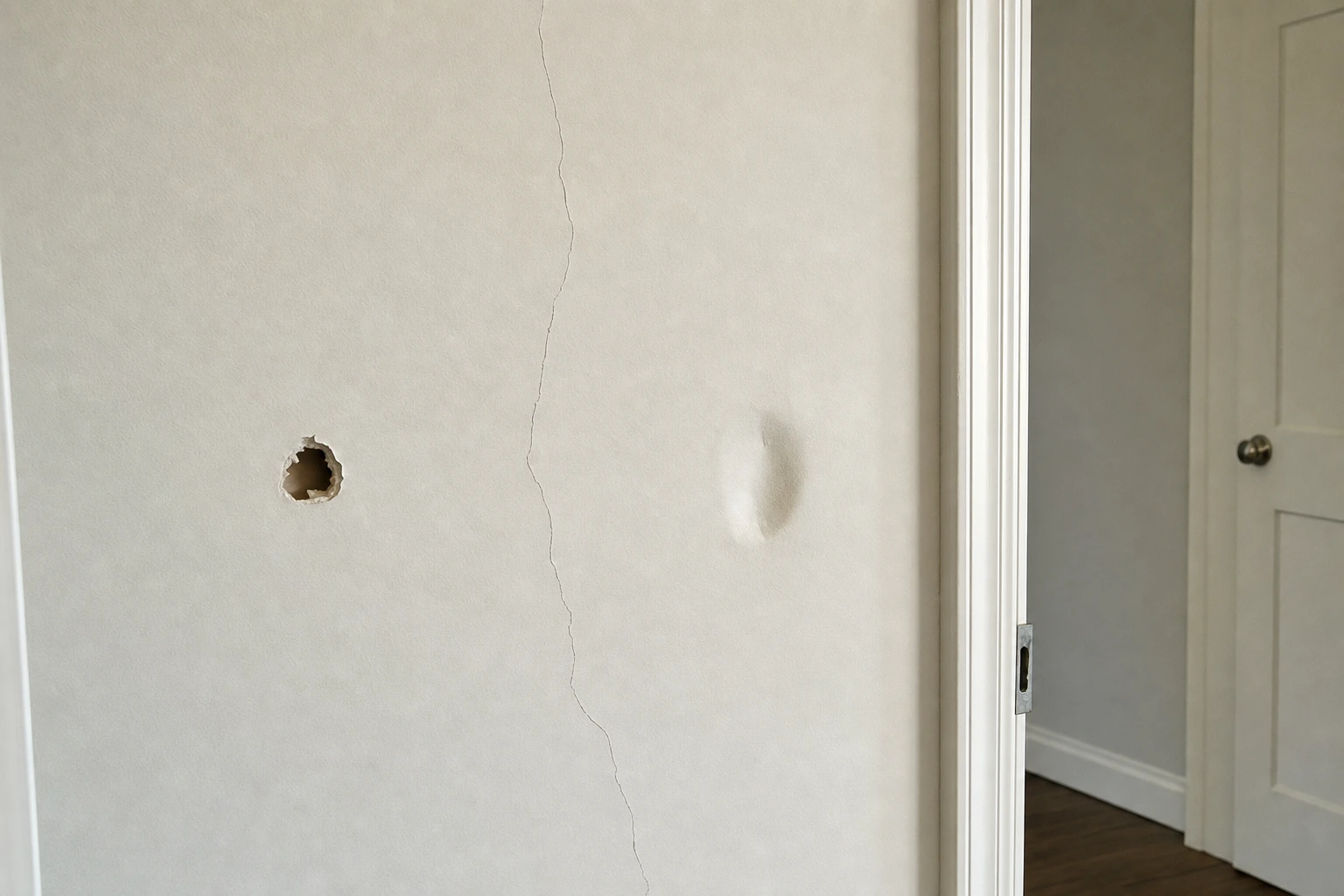
Some drywall problems are easy to spot. Others develop slowly over time. Homeowners should pay attention to cracks, stains, soft spots, holes, uneven texture, and areas where paint is bubbling or peeling.
Not every drywall problem requires replacement. Many small issues can be repaired. However, larger damage, repeated moisture problems, or badly compromised drywall may need more extensive work.
Knowing the difference between repair and replacement can help homeowners make better decisions before starting a painting project.
Cracks, Holes, and Dents
Cracks can appear for several reasons. Some are caused by normal settling. Others may appear near doors, windows, ceilings, or seams. Small hairline cracks may be cosmetic, but larger or recurring cracks should be inspected.
Holes and dents are also common. Door handles, furniture, accidents, shelves, and everyday wear can damage drywall. Small holes may be patched, while larger holes often need a new drywall section.
Dents can be especially noticeable after painting because they create shadows. Even if the color is fresh, the wall may still look uneven when light hits the damaged area.
Repairing these issues before painting helps the room look cleaner. It also prevents small damage from becoming the first thing people notice.
Water Damage or Staining
Water damage should never be ignored. It may appear as brown stains, bubbling paint, soft drywall, sagging areas, or peeling texture. Before repairing or painting the area, the source of the moisture should be found and fixed.
Painting over a water stain without proper repair usually does not solve the problem. The stain can bleed through, and damaged drywall may continue to weaken.
If the drywall is soft, swollen, moldy, or crumbling, replacement may be needed. Once the damaged material is removed and replaced, the area can be finished, primed, and painted.
Water damage is one reason professional evaluation can be helpful. A contractor can look at the condition of the surface and recommend whether repair or replacement makes more sense.
Poor Texture or Uneven Walls
Uneven walls can make a room look unfinished, even after painting. Poor texture matching, rough sanding, visible seams, and old patchwork can all affect the final appearance.
Texture issues are common in older homes or rooms that have been repaired several times. A small patch may look acceptable before painting, but once the entire wall is painted, the difference may become obvious.
Professional drywall finishing helps blend these areas. Depending on the condition of the wall, this may involve sanding, skim coating, retexturing, or repairing specific problem spots.
The goal is to create a surface that looks consistent across the room. That makes the paint look smoother and the finished space feel more complete.
When Replacement May Be Better Than Repair
Drywall replacement may be better when the damage is large, wet, soft, moldy, or spread across a wide area. It may also be needed during remodeling when walls are opened, moved, or rebuilt.
Replacement can sometimes create a better result than trying to patch too many damaged areas. If a wall has repeated water damage or several poor repairs, replacing a section may be more practical.
Ceilings may also need replacement if the drywall is sagging, cracked, or damaged by moisture. Ceiling repairs must be handled carefully because imperfections can be more visible overhead.
A professional drywall contractor can help homeowners decide whether repair or replacement is the better option. The right choice depends on the condition of the drywall and the goal of the project.
Interior Painting: What Homeowners Should Know
Interior painting is one of the most effective ways to update a home. It can make rooms feel brighter, cleaner, newer, and more personal. It can also help prepare a home for sale or make a newly purchased home feel more like your own.
A successful interior painting project depends on more than choosing a color. Surface condition, lighting, paint finish, room use, and prep work all affect the final result.
Professional interior painters help homeowners avoid common mistakes and create a finished look that feels clean and intentional.
Choosing the Right Rooms to Paint First
When planning interior painting, many homeowners start with the rooms they use most. Living rooms, kitchens, entryways, hallways, and bedrooms often make the biggest impact because they are seen every day.
High-traffic areas may need repainting more often. Hallways, stairways, and family rooms can collect scuffs, fingerprints, and marks from daily use. A fresh coat of paint can make these spaces look cleaner quickly.
Bathrooms and kitchens may need paint that handles moisture and cleaning better than paint used in lower-traffic rooms. Choosing the right product helps the finish last longer.
If the budget does not allow for a full interior repaint at once, starting with the most visible areas can still make the home feel noticeably refreshed.
Walls, Ceilings, Trim, and Doors
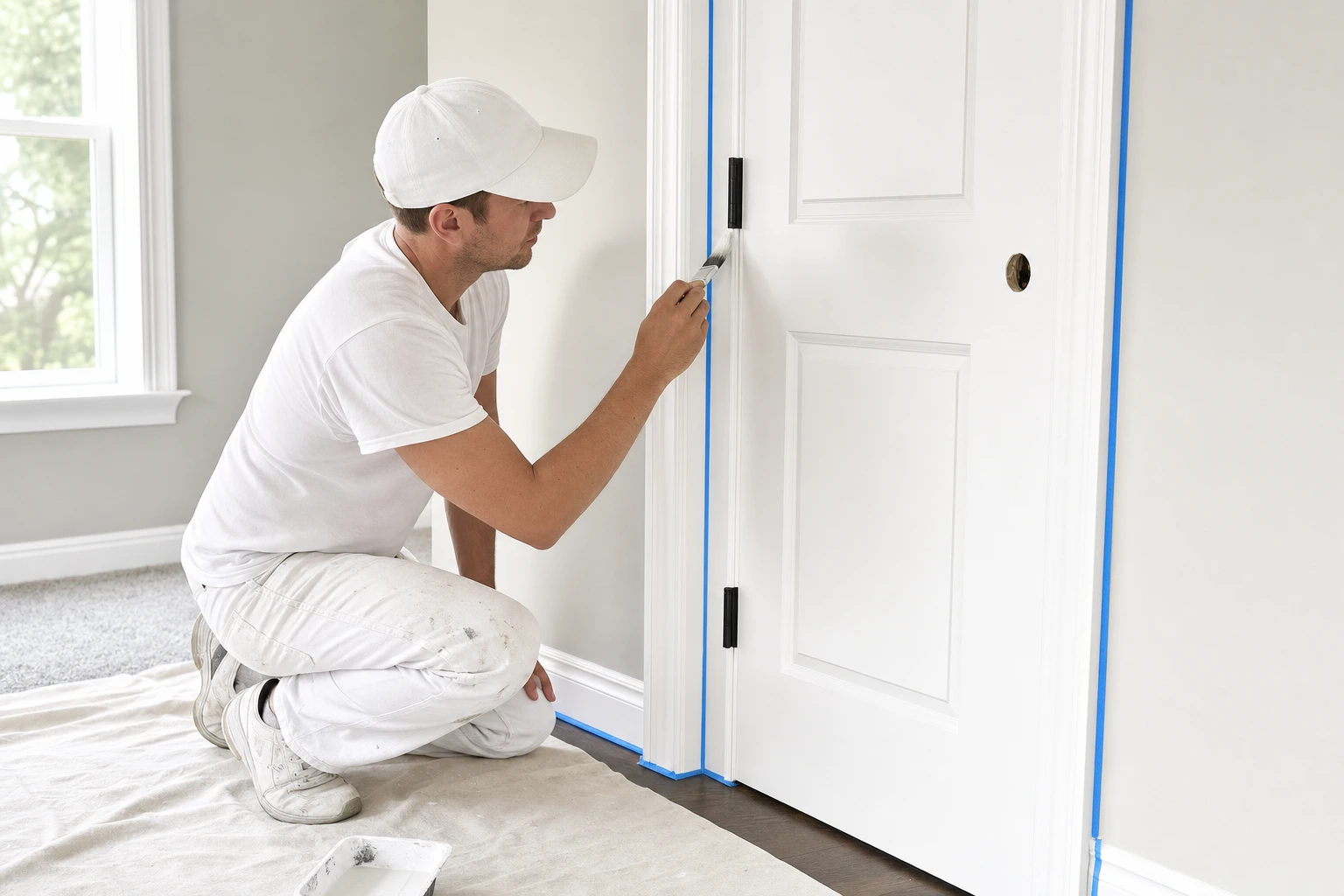
Walls are usually the main focus of interior painting, but ceilings, trim, and doors matter too. Fresh wall paint next to worn trim can make the trim look older. Newly painted trim can make a room feel sharper and more finished.
Ceilings are sometimes overlooked, but they can affect the brightness of a room. A clean ceiling can make the space feel fresher, especially if the old paint has yellowed or picked up stains.
Doors and baseboards take a lot of daily contact. They often collect scuffs, chips, and fingerprints. Repainting them can make a room look cleaner without changing the layout or furniture.
A complete interior painting project considers how all these surfaces work together. When walls, ceilings, trim, and doors are properly finished, the entire room feels more polished.
Choosing Paint Colors and Finishes
Color choice can change the mood of a room. Light colors can make a space feel open and bright. Darker colors can add warmth, contrast, or drama. Neutral colors can create a clean background for furniture and decor.
Lighting also matters. A color may look different in natural daylight than it does under warm indoor lighting. Testing paint samples on the wall can help homeowners avoid surprises.
Paint finish is just as important as color. Flat finishes can hide some imperfections but may be harder to clean. Satin or eggshell finishes are common for walls because they offer a balance of appearance and durability.
Trim and doors often use a more durable finish because they are touched more often. A professional painter can help homeowners choose finishes based on the room, surface, and expected wear.
Exterior Painting: What Homeowners Should Know
Exterior painting gives a home a fresh look from the outside while also helping protect surfaces from weather. For many homeowners, it is one of the most visible improvements they can make.
The exterior of a home is constantly exposed to changing conditions. Sun, rain, humidity, wind, and temperature shifts can wear down paint over time. Once paint begins to fail, the surface underneath may become more vulnerable.
Professional exterior painting helps restore curb appeal and improve protection. The key is proper preparation, the right timing, and the right materials.
Why Exterior Paint Matters
Exterior paint acts as a protective layer. It helps shield surfaces from moisture, sunlight, and daily exposure. When that layer breaks down, the home can start to show signs of wear.
Peeling, cracking, fading, and chalking are common signs that exterior paint is aging. If ignored, exposed surfaces may become harder to repair later.
Exterior paint also affects how people see the home. A well-painted exterior can make the property look cared for, updated, and inviting. This matters whether the homeowner plans to stay for years or prepare the home for sale.
Good exterior painting combines function and appearance. It should look clean, but it should also be applied in a way that helps the finish last.
Best Time for Exterior Painting in St. Louis
Exterior painting depends heavily on weather. Paint needs the right temperature, dry conditions, and enough time to cure properly. Rain, extreme heat, high humidity, or cold weather can affect adhesion and finish quality.
In the St. Louis area, spring, summer, and early fall are often common times for exterior painting, depending on the weather. The best timing can vary from year to year.
A professional painter will consider the forecast, surface temperature, moisture, and drying conditions before starting. This helps reduce the risk of paint failure.
Rushing exterior painting during poor weather can lead to problems later. Proper timing helps the paint bond correctly and creates a better long-term result.
Signs Your Exterior Needs Repainting
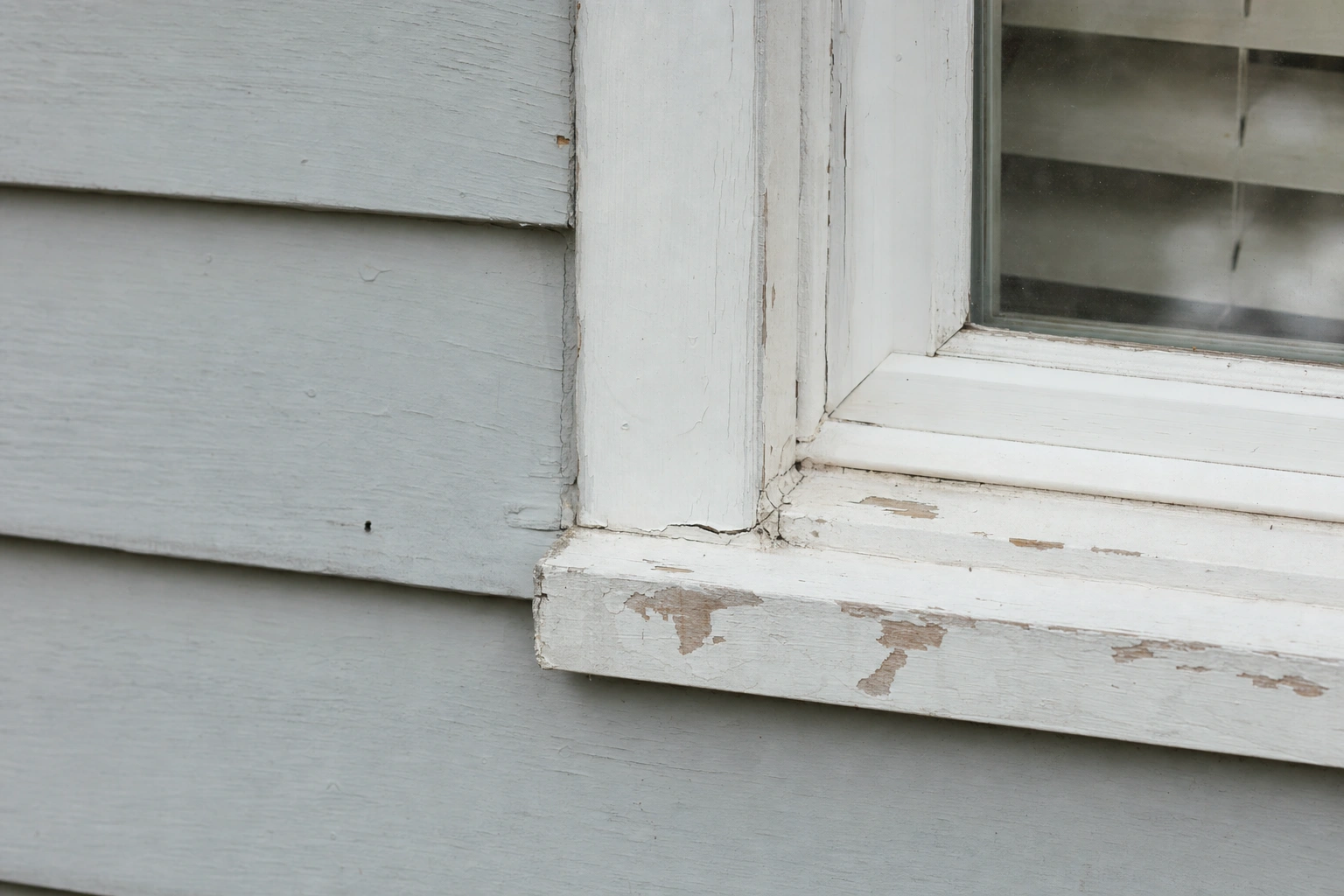
Homeowners should look for peeling paint, fading color, cracked caulk, exposed wood, bubbling, chalky residue, or areas where the finish looks thin or uneven. These signs can indicate that the paint is no longer performing well.
Trim, doors, and shutters may show wear before larger siding areas. These details are exposed to sunlight, moisture, and daily use, and they can affect the overall look of the home.
If the exterior looks dull or weathered, repainting can give the home a fresh appearance. If there are signs of surface damage, repairs may be needed before painting begins.
A professional inspection can help homeowners understand whether they need touch-ups, partial repainting, or a more complete exterior painting project.
Painting and Drywall for Remodeling Projects
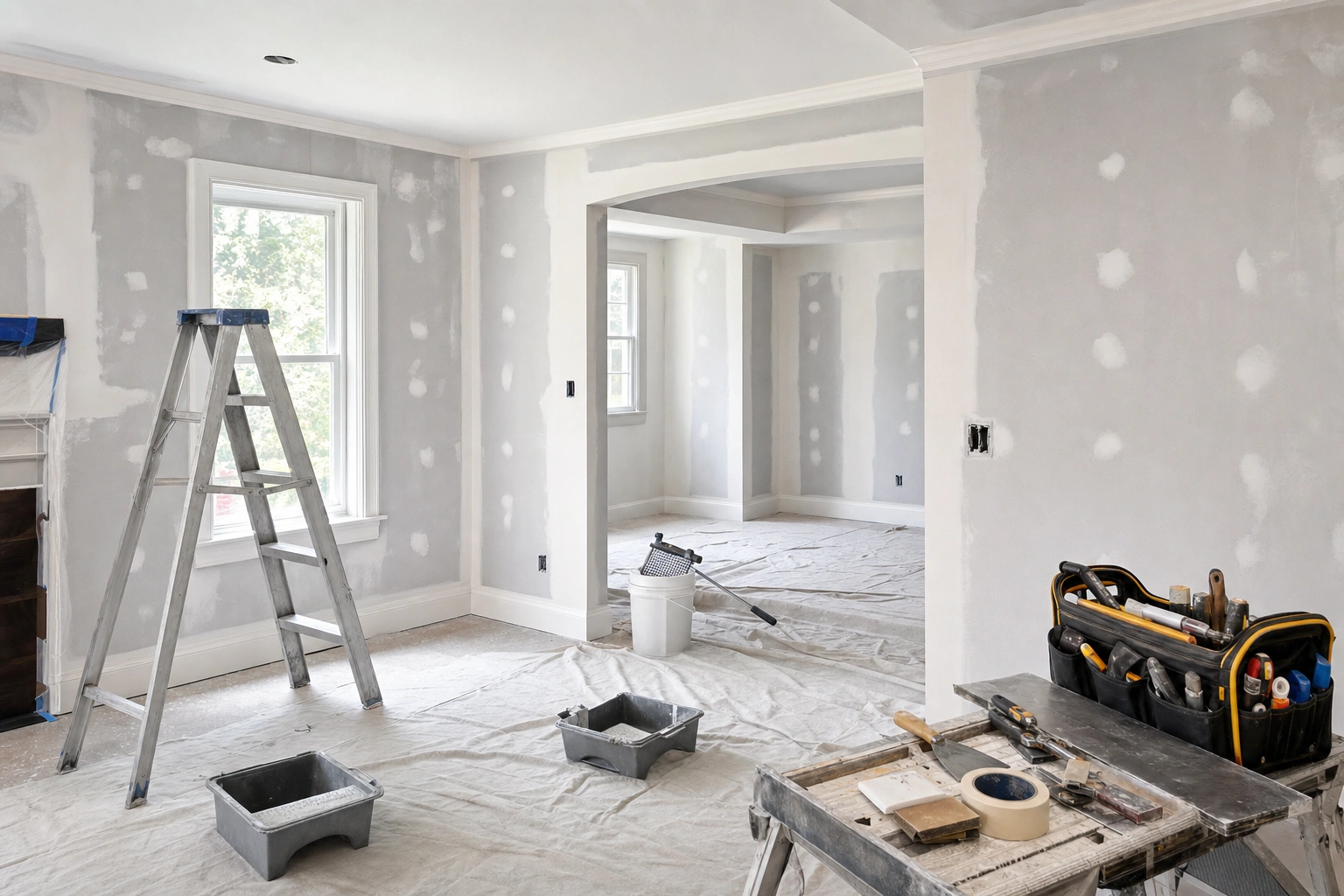
Remodeling projects often involve both drywall and painting. Whether a homeowner is updating a basement, bedroom, kitchen, bathroom, office, or living space, the walls usually need some level of repair, installation, finishing, or repainting.
Even small remodels can leave behind drywall damage. Removing cabinets, shelves, fixtures, tile, paneling, or old trim can create holes, rough areas, and exposed sections that need to be repaired before painting.
Combining drywall and painting services during a remodel can make the process smoother. It helps ensure the walls are properly finished before the final color is applied.
Updating Older Rooms
Older rooms often need more than paint. Walls may have cracks, dents, old nail holes, uneven texture, or previous patchwork. If those problems are not repaired first, the room may still look aged after repainting.
Drywall repair gives older rooms a cleaner starting point. Once the walls are smooth and properly prepared, new paint can have a much stronger visual impact.
This is especially helpful when changing from dark colors to lighter colors, updating outdated finishes, or preparing a room for new flooring, furniture, and trim.
A well-planned update can make an older room feel brighter, cleaner, and more comfortable without requiring a complete rebuild.
Basement, Kitchen, and Bathroom Remodels
Basements, kitchens, and bathrooms often involve drywall work because these spaces may have moisture concerns, layout changes, or older surfaces that need repair. New drywall may be needed where walls are opened or rebuilt.
Basements may need drywall installation as part of finishing an unused space. Kitchens may need wall repair after cabinet or backsplash changes. Bathrooms may need repairs after plumbing, fixture, or moisture-related work.
After drywall is installed or repaired, painting completes the space. The right paint product should be chosen for the room and its conditions.
When drywall and painting are planned together, the finished remodel usually looks cleaner and more coordinated.
Why One Contractor Can Simplify the Process
Hiring one contractor for drywall and painting can simplify communication and scheduling. Instead of coordinating separate companies, homeowners can work with one team that understands the full scope of the project.
This can be especially helpful when painting depends on drywall repairs being completed first. If one team handles both, there is less risk of missed details between the repair stage and the painting stage.
A contractor that understands both services can also prepare the surface with the final paint finish in mind. That can lead to better blending, cleaner lines, and a more consistent result.
For homeowners, the process can feel more organized and less stressful when the same team handles the wall preparation and final finish.
Painting and Drywall for New Construction
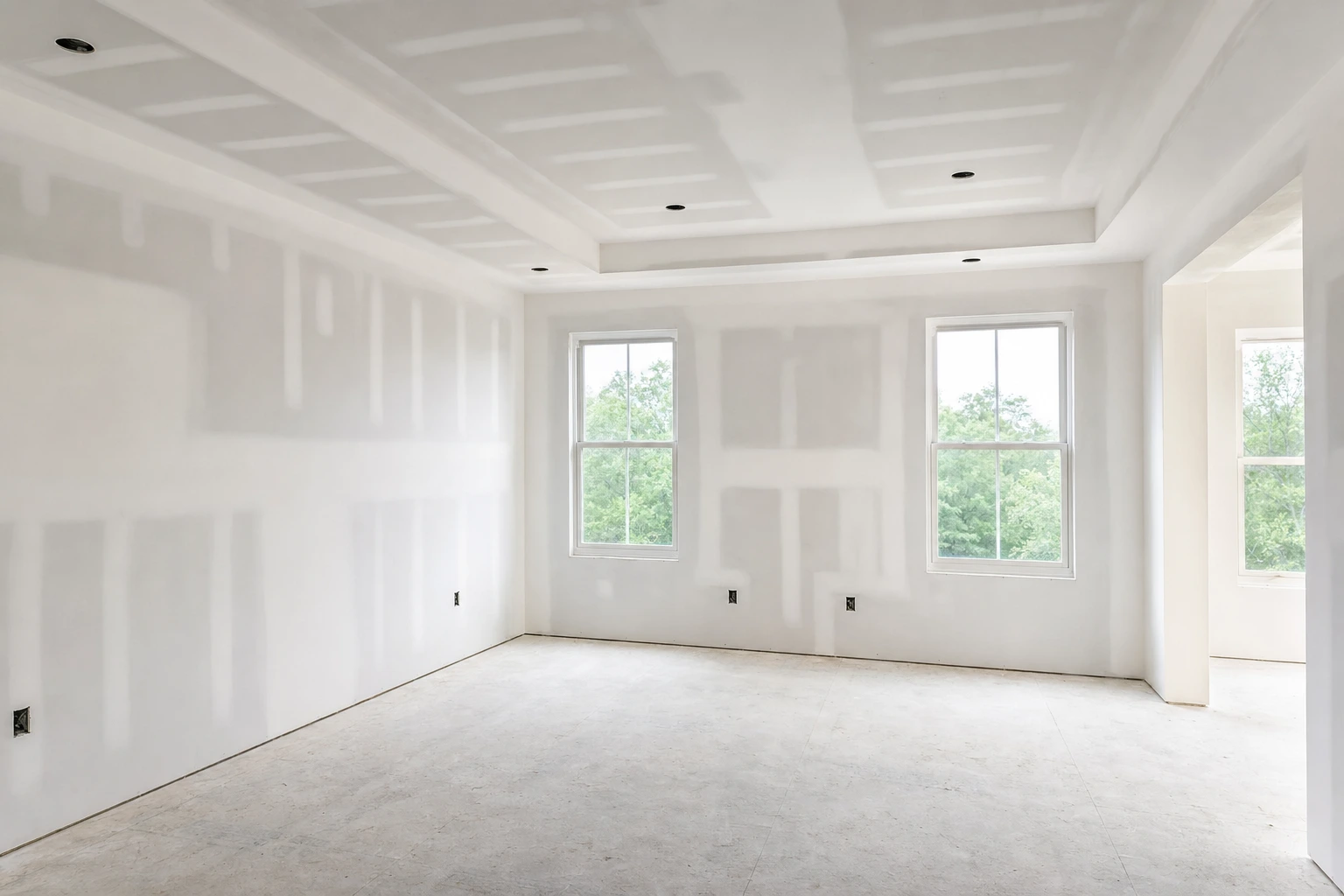
New construction and new room builds require proper drywall installation and finishing before painting can begin. This process creates the interior surfaces that homeowners will see and use every day.
New drywall must be carefully hung, taped, mudded, sanded, primed, and painted. Each step affects the next. If the drywall is not finished properly, the paint may reveal seams, fasteners, or rough areas.
A clean drywall finish is especially important in new spaces because there are no old furnishings or decorations to hide imperfections. The walls and ceilings are often the first thing people notice.
Drywall Installation for New Spaces
New drywall installation may be needed for additions, finished basements, garages, offices, bedrooms, or newly framed areas. The drywall must be measured and cut to fit the space, then attached securely to the framing.
Once the panels are installed, seams and fasteners are covered. Corners and edges are finished so the room looks complete.
The quality of the installation affects the finished appearance. Poor alignment, wide gaps, or uneven panels can make finishing more difficult.
Professional drywall installation helps create a strong foundation for the rest of the project. When the walls are properly installed, the finishing and painting stages can produce a cleaner result.
Preparing New Drywall for Paint
New drywall needs primer before paint. Drywall compound and paper can absorb paint differently, which may lead to uneven color or sheen if primer is skipped.
Before primer is applied, the drywall should be sanded and cleaned of dust. Any rough spots, seams, or imperfections should be addressed first.
Primer helps seal the surface and creates a more consistent base for the finish coats. This is an important step for achieving even coverage and a smooth appearance.
Once the drywall is primed and inspected, the painting process can begin. This final stage gives the room its finished look and brings the new space to life.
DIY vs. Hiring a Professional Painting and Drywall Contractor
Many homeowners consider handling painting or drywall repairs themselves. For very small projects, DIY may be reasonable. Filling a few nail holes or touching up a small wall may not require professional help.
However, larger painting and drywall projects can be more difficult than they appear. The work can be messy, time-consuming, and easy to get wrong. Mistakes may become visible after the paint dries.
Hiring a professional painting and drywall contractor can save time, reduce frustration, and create a more polished result, especially for larger rooms, visible spaces, exterior work, or damaged surfaces.
When DIY May Be Reasonable
DIY may be reasonable for small touch-ups, minor nail holes, or simple paint refreshes in low-visibility areas. Homeowners with patience, time, and the right tools may be able to handle these small tasks.
A small project can still require care. The surface should be cleaned, patched, sanded, primed if needed, and painted with the correct product.
Matching existing paint can be difficult if the wall has faded or if the original paint is old. Even when the same color is used, the touch-up may show in certain lighting.
For minor repairs, DIY can work. For larger damage or highly visible areas, professional help is often the better choice.
When Professional Help Is Better
Professional help is usually better for large rooms, full-home repainting, high ceilings, exterior painting, drywall seams, ceiling repairs, water damage, texture matching, or projects that need a smooth finish.
Drywall work can be especially challenging. Patching a hole is one thing. Blending that patch so it disappears after painting is another. Sanding, feathering, and priming require skill and patience.
Exterior painting also brings safety and performance concerns. Ladders, weather conditions, surface prep, and product selection all matter.
If the project affects a main living area, curb appeal, resale value, or a finished remodel, hiring a professional can help protect the investment.
Benefits of Hiring a Professional
Professional contractors bring experience, tools, materials, and a proven process. They know how to prepare surfaces, protect the home, repair drywall, apply paint evenly, and clean up after the work is complete.
They can also identify issues before they become bigger problems. A wall may need more prep than expected. A stain may need primer. A crack may need repair before painting.
Professional work can also save time. What may take a homeowner several weekends can often be handled more efficiently by an experienced team.
Most importantly, professionals focus on the details that make the finished project look clean. Smooth walls, straight lines, even coverage, and proper preparation all make a difference.
What to Expect During a Painting and Drywall Project

Knowing what to expect can help homeowners feel more comfortable before a painting and drywall project begins. While every project is different, most follow a similar process.
The project usually starts with a walkthrough or estimate. The contractor looks at the rooms or exterior areas, checks the condition of the surfaces, notes any drywall damage, and discusses the homeowner’s goals.
From there, the contractor can recommend the right steps. This may include drywall repair, installation, sanding, priming, painting, trim work, or exterior preparation.
The Estimate and Walkthrough
During the estimate, the contractor should look closely at the surfaces involved. For interior work, this may include walls, ceilings, trim, doors, corners, and existing drywall damage.
For exterior work, the contractor may inspect siding, trim, doors, shutters, caulk lines, peeling paint, and areas exposed to moisture or sun.
The walkthrough is also a good time for homeowners to ask questions. They may want to discuss color, finish, timeline, furniture protection, cleanup, and whether drywall repair is needed before painting.
A clear estimate helps homeowners understand what is included and what steps are needed to get the desired result.
Surface Preparation
Surface preparation comes before painting. For drywall projects, this may include patching holes, repairing cracks, replacing damaged sections, applying joint compound, sanding, and priming.
For interior painting, preparation may include protecting floors and furniture, removing outlet covers, filling small holes, caulking trim, sanding rough areas, and taping off edges.
For exterior painting, preparation may include cleaning, scraping, sanding, caulking, priming, and protecting nearby surfaces.
Good prep work may not be the most exciting part of the project, but it is one of the most important. It helps the final finish look better and last longer.
Painting, Finishing, and Cleanup
Once the surface is ready, painting can begin. The contractor applies the appropriate coats, checks coverage, cuts clean lines around edges, and addresses touch-ups as needed.
For drywall work, finishing may include final sanding, texture matching, priming, and preparing the area for paint. The goal is to make the repaired or newly installed drywall blend into the rest of the room.
Cleanup is also part of a professional project. Floors, furniture, tools, coverings, and debris should be handled carefully so the home is left in good condition.
A final walkthrough gives the homeowner a chance to review the work and ask questions before the project is complete.
How Long Does Drywall Repair and Painting Take?
The timeline for drywall repair and painting depends on the size of the project, the amount of damage, the number of rooms, drying time, paint coats, and whether the work is interior or exterior.
Small drywall repairs and painting touch-ups may be completed quickly. Larger projects, full-room repainting, ceiling repairs, or multi-room updates may take longer.
Drywall work often requires drying time between coats of joint compound. Paint also needs time to dry between coats. Rushing either step can affect the final finish.
Factors That Affect Timeline
Several factors can change the timeline. A room with smooth walls and minimal damage will usually move faster than a room with cracks, holes, stains, or heavy patching.
Ceiling repairs may take longer because they can be harder to access and finish. Texture matching can also add time, especially if the existing texture is older or uneven.
Exterior painting depends on weather. Rain, humidity, temperature, and wind can affect when work can begin and how long paint needs to dry.
The number of coats also matters. A major color change, fresh drywall, stains, or porous surfaces may require primer and additional coats for proper coverage.
Why Drying and Curing Time Matters
Drying time is important for both drywall compound and paint. If joint compound is sanded or painted too soon, the repair may not finish properly. If paint is recoated too quickly, the final appearance may suffer.
Primer also needs time to dry before paint is applied. This helps create a more even surface and better coverage.
A professional contractor understands how long each step should take and when it is safe to move forward. That patience helps create a better final result.
Homeowners should expect the process to include preparation, repair, drying, sanding, priming, painting, and cleanup. Each step plays a role in the quality of the finished work.
How to Choose a Painting and Drywall Company in St. Louis
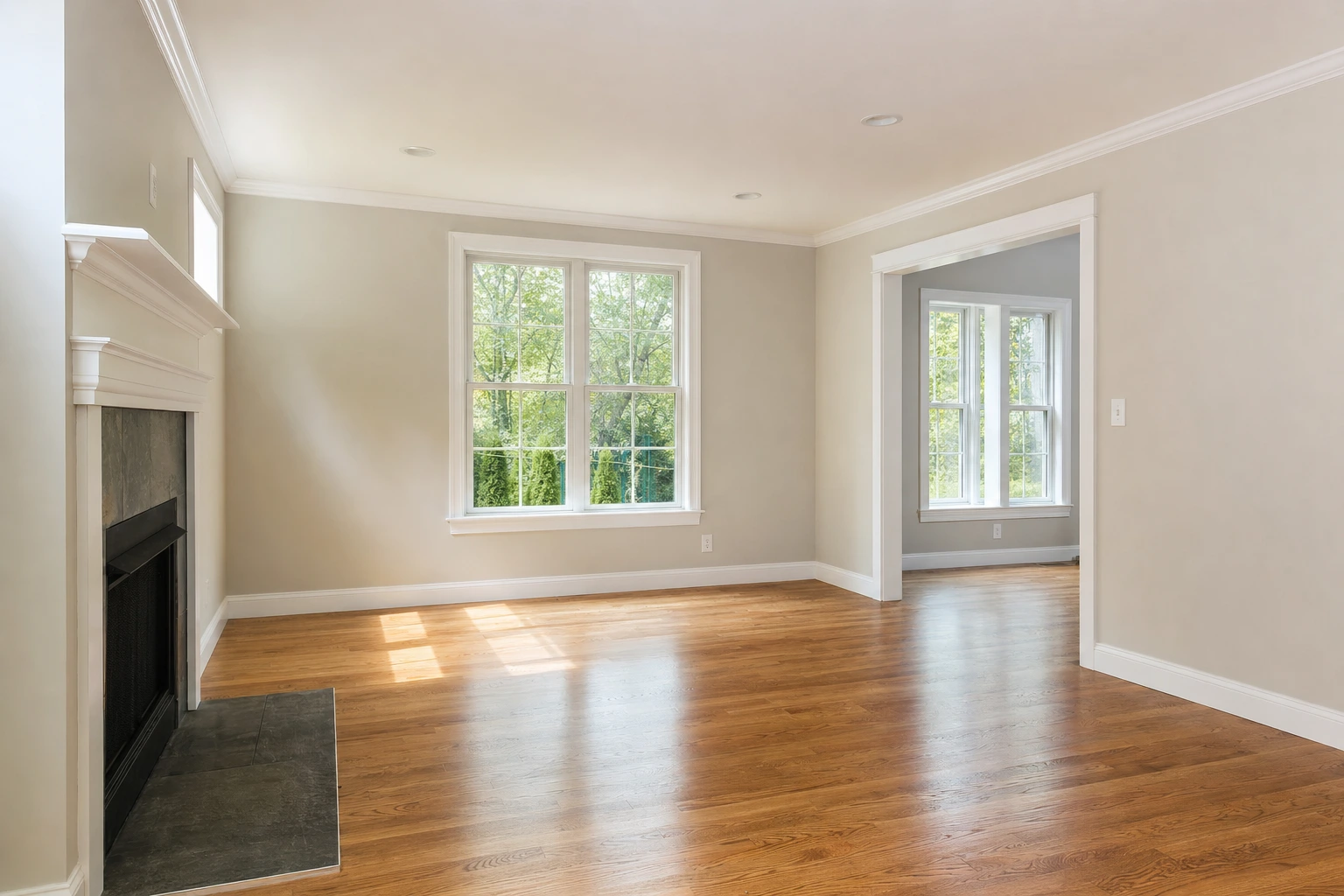
Choosing the right contractor matters. Painting and drywall work affects the appearance of your home, and poor workmanship can be difficult to hide once the project is finished.
Homeowners should look for a company that understands both services, communicates clearly, and takes preparation seriously. The best result usually comes from a contractor who sees the full project, not just the paint color.
A good painting and drywall company should be able to explain the process, identify surface issues, recommend the right repairs, and help homeowners understand what to expect.
Look for Experience With Both Services
A contractor with experience in both painting and drywall can be helpful because many projects require both skills. If the wall needs repair before painting, the same team can handle the surface from start to finish.
This reduces the chance of one contractor blaming another if the final result does not look right. It also helps make sure the drywall repair is finished with painting in mind.
Experience matters because drywall flaws can be difficult to hide. A contractor who understands finishing, sanding, priming, and painting can produce a cleaner result.
For homeowners, this can make the project feel more organized and less stressful.
Ask About Prep, Materials, and Process
Before hiring a contractor, homeowners should ask about surface preparation. This includes how drywall damage will be repaired, whether primer is needed, how floors and furniture will be protected, and how cleanup will be handled.
It is also helpful to ask about paint products, finishes, drying time, and the number of coats included. For exterior painting, homeowners should ask how the contractor handles weather conditions and surface prep.
A clear process is a good sign. It shows that the contractor is thinking beyond simply applying paint.
Good communication can also make the project easier. Homeowners should feel comfortable asking questions and understanding what will happen before work begins.
Review Local Service Areas
Local experience can be valuable. A St. Louis painting and drywall contractor understands the homes, neighborhoods, weather conditions, and common repair needs in the area.
Homes in different communities may have different styles, ages, and surfaces. Some may need interior updates, while others may need exterior repainting, drywall repair, basement finishing, or remodeling support.
Working with a local contractor also makes it easier to plan future projects. A homeowner may start with one room and later need additional painting, drywall repair, or exterior work.
For homeowners in St. Louis and surrounding communities, choosing a local painting and drywall company can help create a smoother experience from estimate to final walkthrough.
Areas Served Around St. Louis
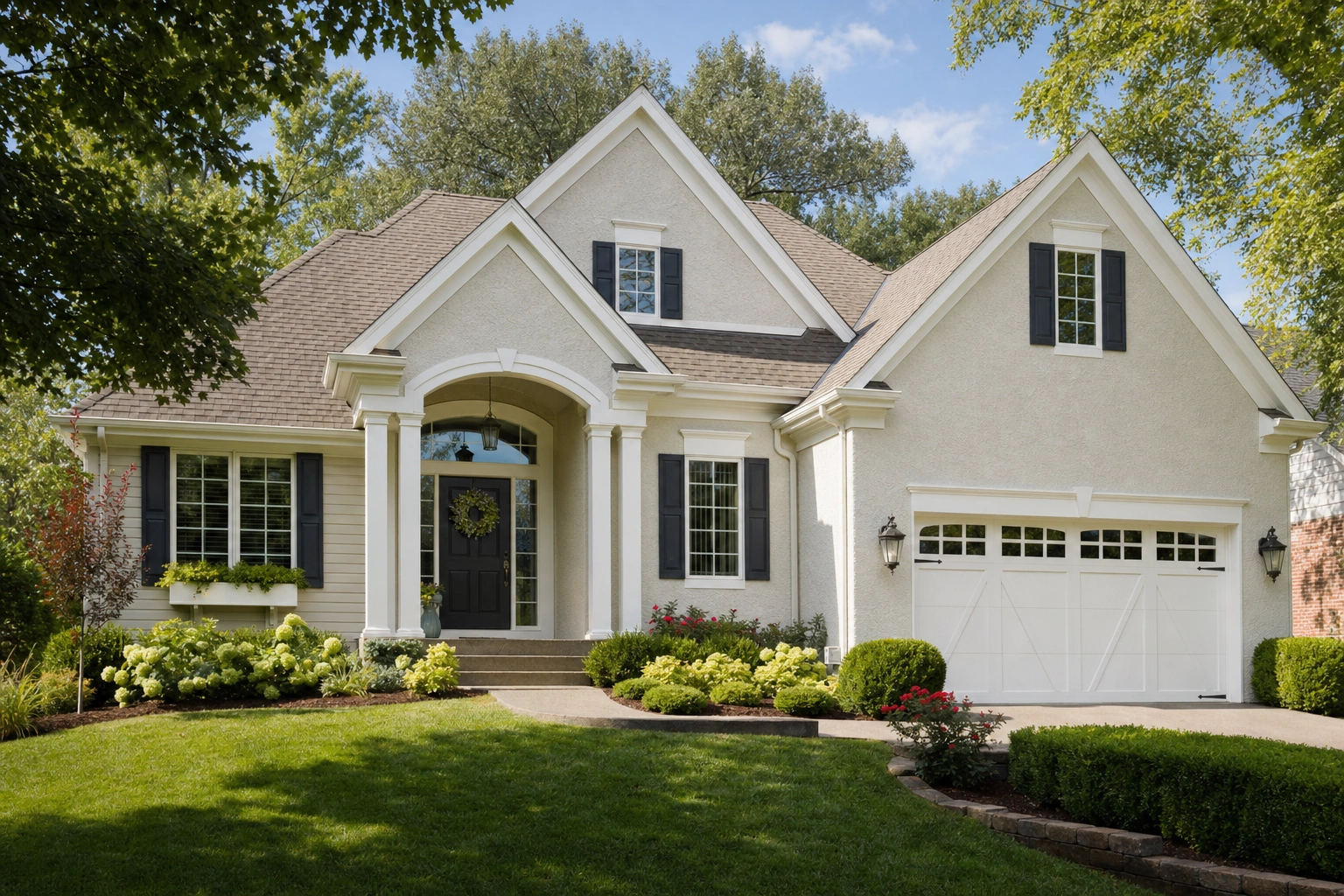
EJC Painting & Drywall serves homeowners in St. Louis and nearby communities with professional painting and drywall services. Whether the project involves a single room, a full repaint, drywall repair, or a larger remodel, local homeowners can benefit from skilled surface preparation and finishing.
As future city-specific pages are developed, this blog can support internal links to service pages for Manchester, Kirkwood, Ballwin, Fenton, Richmond Heights, Clayton, Ladue, Creve Coeur, Maryland Heights, Wildwood, Chesterfield, St. Charles, and other surrounding areas.
These city pages can help homeowners find painting and drywall services closer to where they live. They can also explain the specific services available in each community, such as interior painting, exterior painting, drywall repair, drywall installation, and finishing.
A strong local content structure helps connect the main St. Louis service area with the surrounding cities. It also makes it easier for homeowners to find the right page when they are searching for help in their own neighborhood.
Frequently Asked Questions About Painting and Drywall Services
Do you need drywall repair before painting?
If the drywall is cracked, dented, stained, uneven, or damaged, it should usually be repaired before painting. Paint can change the color of the wall, but it will not hide surface problems. Repairing the drywall first creates a smoother and cleaner finish.
Can you paint over damaged drywall?
You can paint over damaged drywall, but it is usually not recommended. Cracks, holes, dents, and rough patches may still show after the paint dries. In many cases, fresh paint can make those flaws easier to see, especially in bright light.
How long after drywall repair can you paint?
The timing depends on the size of the repair and the materials used. Joint compound needs time to dry before it can be sanded, primed, and painted. Larger repairs may need more than one coat of compound, which can add time to the process.
What is included in drywall finishing?
Drywall finishing usually includes taping seams, applying joint compound, covering fasteners, finishing corners, sanding rough areas, and preparing the surface for primer and paint. The goal is to make the wall or ceiling look smooth and consistent before painting begins.
Is it better to repair or replace drywall?
Small holes, dents, cracks, and minor damage can often be repaired. Replacement may be better when the drywall is wet, soft, moldy, badly cracked, or damaged across a large area. A professional can inspect the surface and recommend the best option.
How often should you repaint your home interior?
The timing depends on the room, paint quality, lifestyle, and amount of wear. High-traffic areas like hallways, kitchens, and family rooms may need repainting sooner than bedrooms or lower-use spaces. Scuffs, fading, stains, and outdated colors are common signs it may be time.
When is the best time for exterior painting in St. Louis?
Exterior painting should be done when the weather allows the paint to dry and bond properly. Temperature, humidity, rain, wind, and surface moisture all matter. In St. Louis, many exterior projects are planned during milder parts of spring, summer, or early fall.
Should I hire one contractor for drywall and painting?
Hiring one contractor for both drywall and painting can make the project simpler. The same team can repair the surface, prepare it for paint, and complete the final finish. This can improve communication, reduce scheduling issues, and create a more consistent result.
Final Thoughts: Get Smooth Walls and a Fresh Finish With Professional Painting and Drywall Services
Painting and drywall services work best when they are planned together. A beautiful paint color can only do so much if the wall underneath is cracked, dented, stained, or uneven. Proper drywall repair and finishing help create the smooth surface needed for a clean result.
For St. Louis homeowners, professional painting and drywall services can help refresh interiors, protect exterior surfaces, restore damaged walls, and support remodeling or new construction projects. From drywall installation to final paint, each step affects the finished look.
Whether you are updating one room, repairing damaged drywall, repainting your exterior, or planning a larger home improvement project, working with an experienced contractor can make the process easier and the result more polished.
If your home needs drywall repair, interior painting, exterior painting, or a complete painting and drywall project, contact EJC Painting & Drywall to request a free estimate.