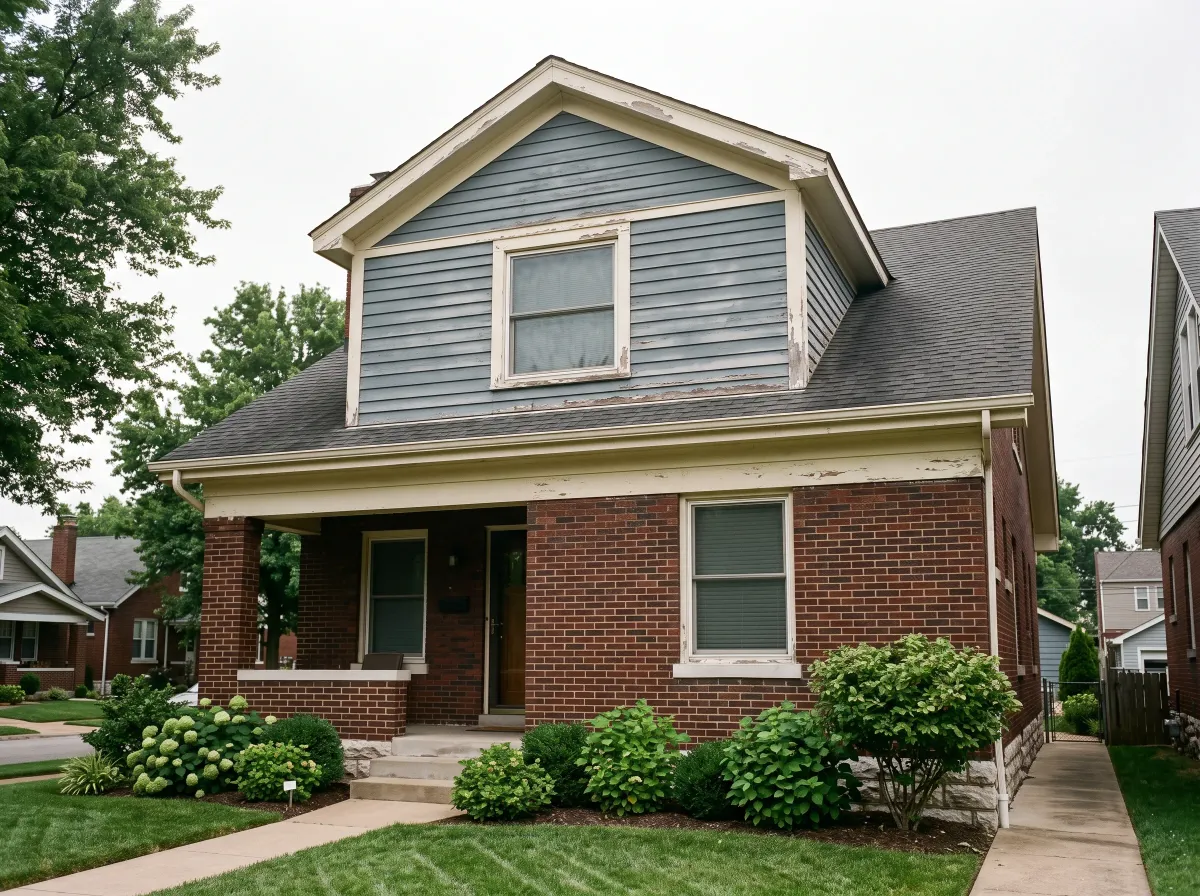
Exterior Painting Warning Signs St. Louis Homeowners Should Watch For
Exterior paint does more than improve curb appeal. It helps protect siding, trim, doors, fascia, shutters, porch details, and other exterior surfaces from daily exposure to the weather.
For St. Louis homeowners, that protection matters. The National Weather Service describes the St. Louis area as having a true four-season climate, which means exterior painted surfaces can deal with sun, humidity, rain, wind, cold, and seasonal temperature changes throughout the year.
Over time, paint can fade, peel, crack, bubble, chalk, or pull away from the surface underneath. When those warning signs appear, the home may need more than a quick touch-up.
For a broader look at how surface preparation and painting work together, read our guide to painting and drywall services.
Why Exterior Paint Wears Down in St. Louis
Exterior paint wears down because it is constantly exposed to changing conditions. In the St. Louis area, homes can experience hot summers, humid air, heavy rain, winter cold, and temperature swings from one season to the next.
Sun can fade paint and make colors look dull. Rain and humidity can expose weak areas around trim, siding, doors, and caulk lines. Winter weather can make existing cracks and gaps worse. Shaded areas may stay damp longer, which can affect how exterior surfaces age.
Paint failure can also happen faster when the previous surface was not prepared well. Painting over dirt, moisture, loose paint, damaged wood, or open gaps can lead to peeling and uneven results later.
That is why exterior painting should start with inspection and preparation, not just a new coat of paint.
Warning Sign 1: Peeling, Flaking, or Bubbling Paint
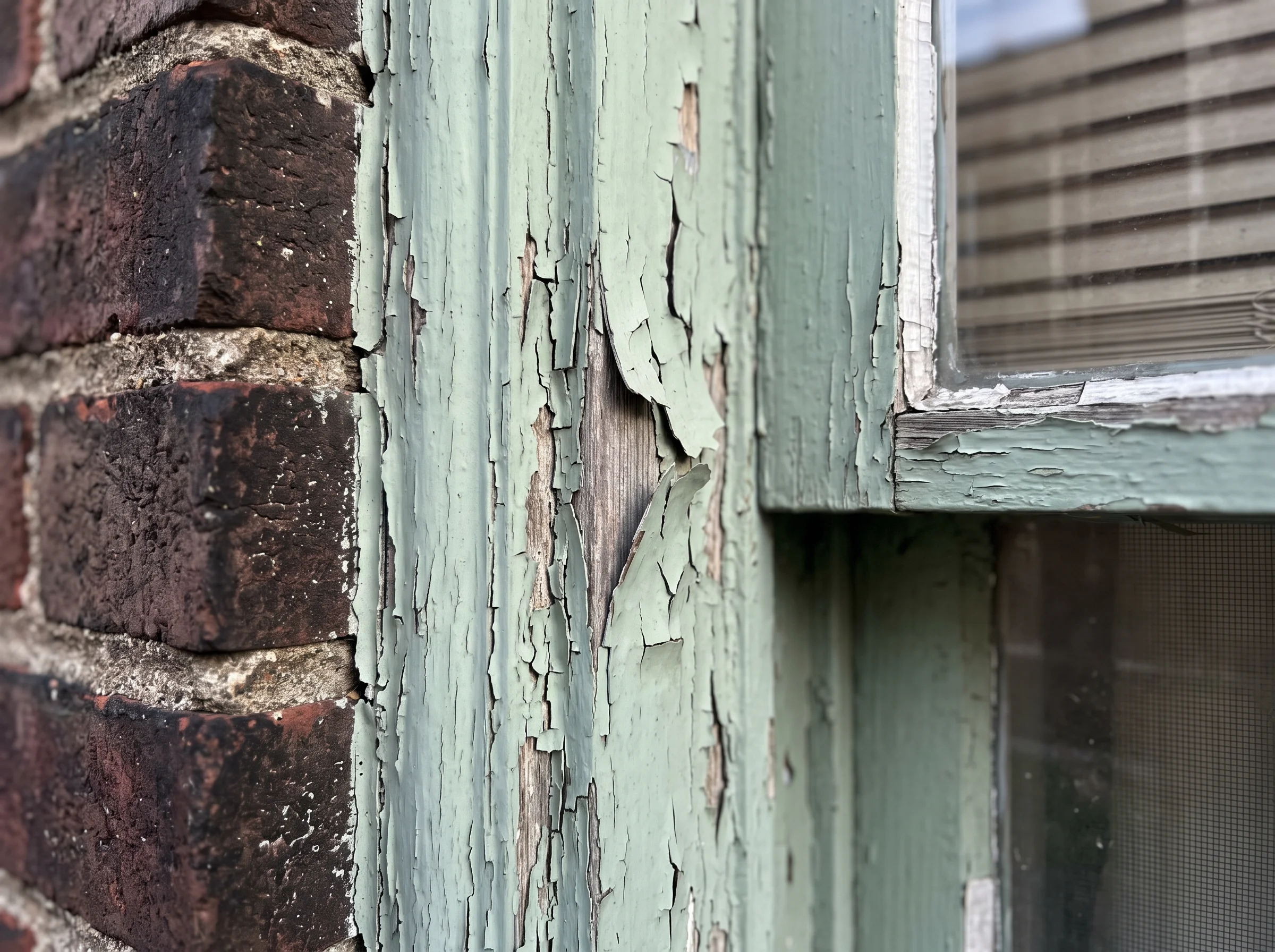
Peeling, flaking, and bubbling paint are some of the clearest signs that your home’s exterior needs attention. These problems often mean the paint is no longer bonding properly to the surface.
Peeling may happen because of moisture behind the paint, poor previous preparation, old paint layers separating, direct sun exposure, or painting over a dirty or damp surface.
Once paint begins to peel, the material underneath becomes more exposed. Wood trim, siding, fascia, and porch details can absorb moisture more easily when the protective paint layer fails.
For older St. Louis homes, peeling paint should be handled carefully. EPA says homes built before 1978 are more likely to have lead-based paint, and renovation, repair, or painting work that disturbs painted surfaces in pre-1978 homes may require lead-safe practices.
Warning Sign 2: Exterior Paint Looks Faded or Washed Out
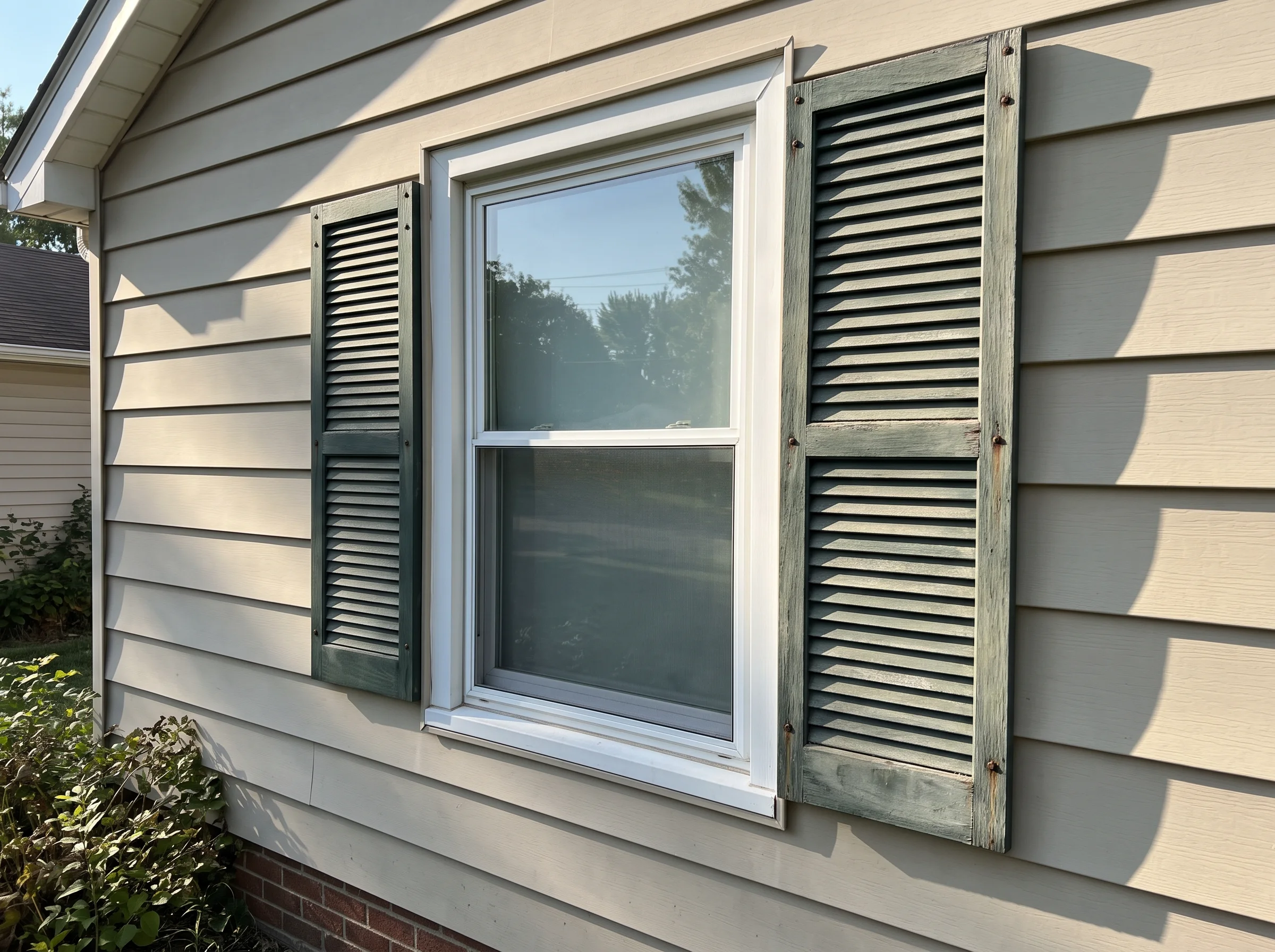
Paint naturally changes as it ages. Over time, exterior color can begin to look faded, dull, or washed out.
Fading is often more noticeable on south-facing or west-facing walls, darker siding colors, front doors, garage doors, shutters, and trim exposed to direct sun.
A faded exterior does not always mean there is serious damage, but it can make the home look older or less maintained. If one side of the house looks much lighter than another, or the front door and shutters no longer look crisp, it may be time to consider repainting.
Fresh exterior paint can help restore a cleaner, more even appearance while giving exposed surfaces renewed protection.
Warning Sign 3: Chalking on the Exterior Surface
Chalking is the powdery residue that can appear on painted exterior surfaces as paint breaks down. You may notice it by rubbing your hand across siding, trim, shutters, or painted doors.
Light chalking can happen as exterior paint ages, but heavy chalking may mean the paint is losing its protective quality. If the surface feels dusty or leaves a noticeable powder on your hand, the paint may be deteriorating.
Chalking should be addressed before repainting. New paint needs a clean, stable surface to bond properly. If chalky residue is left behind, the next coat may not adhere well, which can lead to premature paint failure.
Proper cleaning and preparation are important before applying new exterior paint.
Warning Sign 4: Cracked or Missing Caulk Around Windows, Doors, and Trim
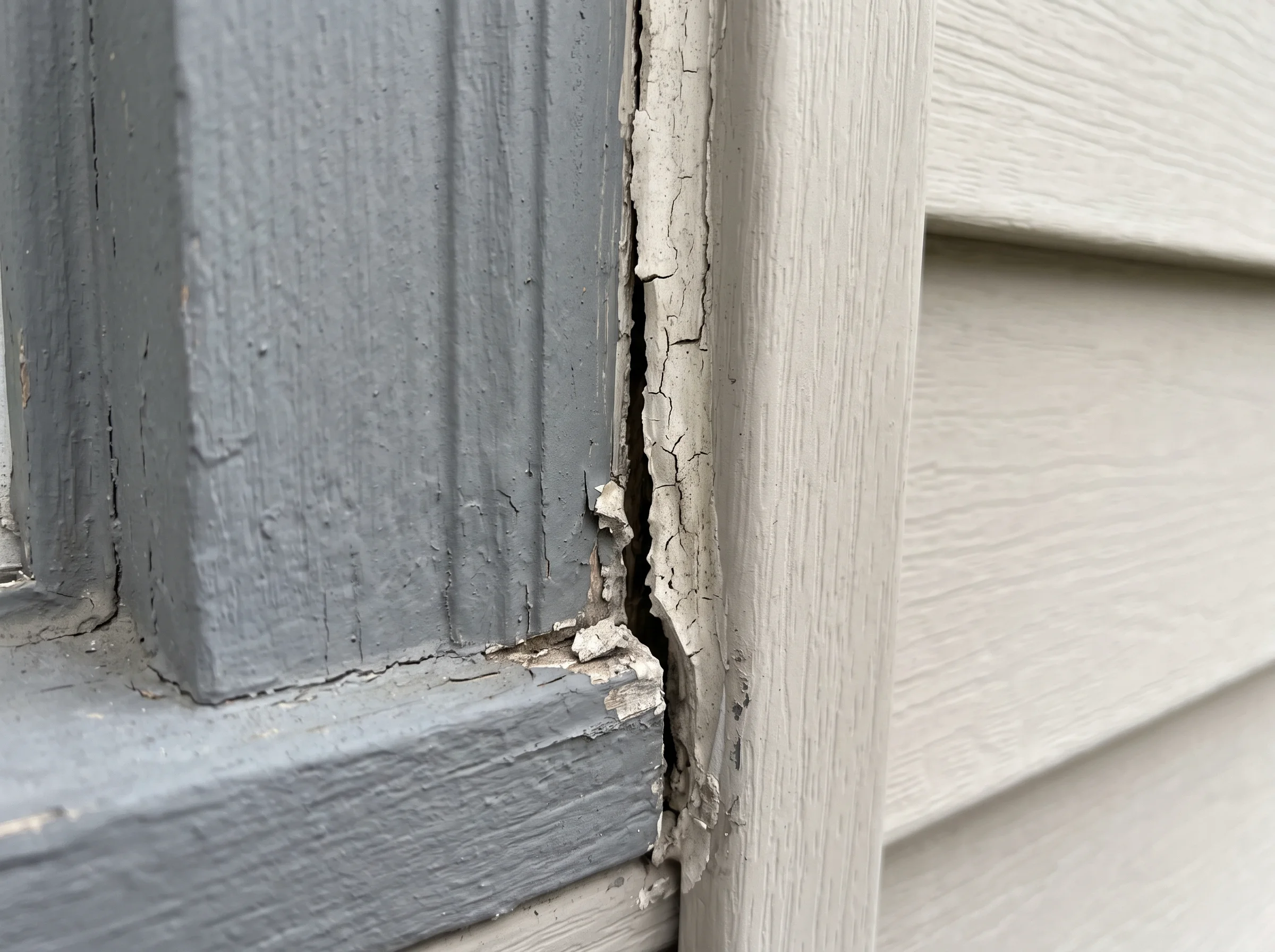
Caulk helps seal gaps around windows, doors, trim, siding transitions, fascia, porch details, garage doors, and exterior corners. When caulk cracks, shrinks, splits, or pulls away, moisture can enter areas it should not.
In St. Louis homes, caulk can fail because of age, sun exposure, moisture, and seasonal expansion and contraction. Even small gaps can create problems over time.
Areas to inspect include window trim, door frames, siding joints, fascia seams, porch details, garage door trim, and exterior corners.
If caulk is failing, repainting the home may also require recaulking. Simply painting over cracked caulk does not solve the issue. The gap should be cleaned, repaired, sealed, and prepared before paint is applied.
Warning Sign 5: Wood Trim Looks Soft, Dark, or Damaged
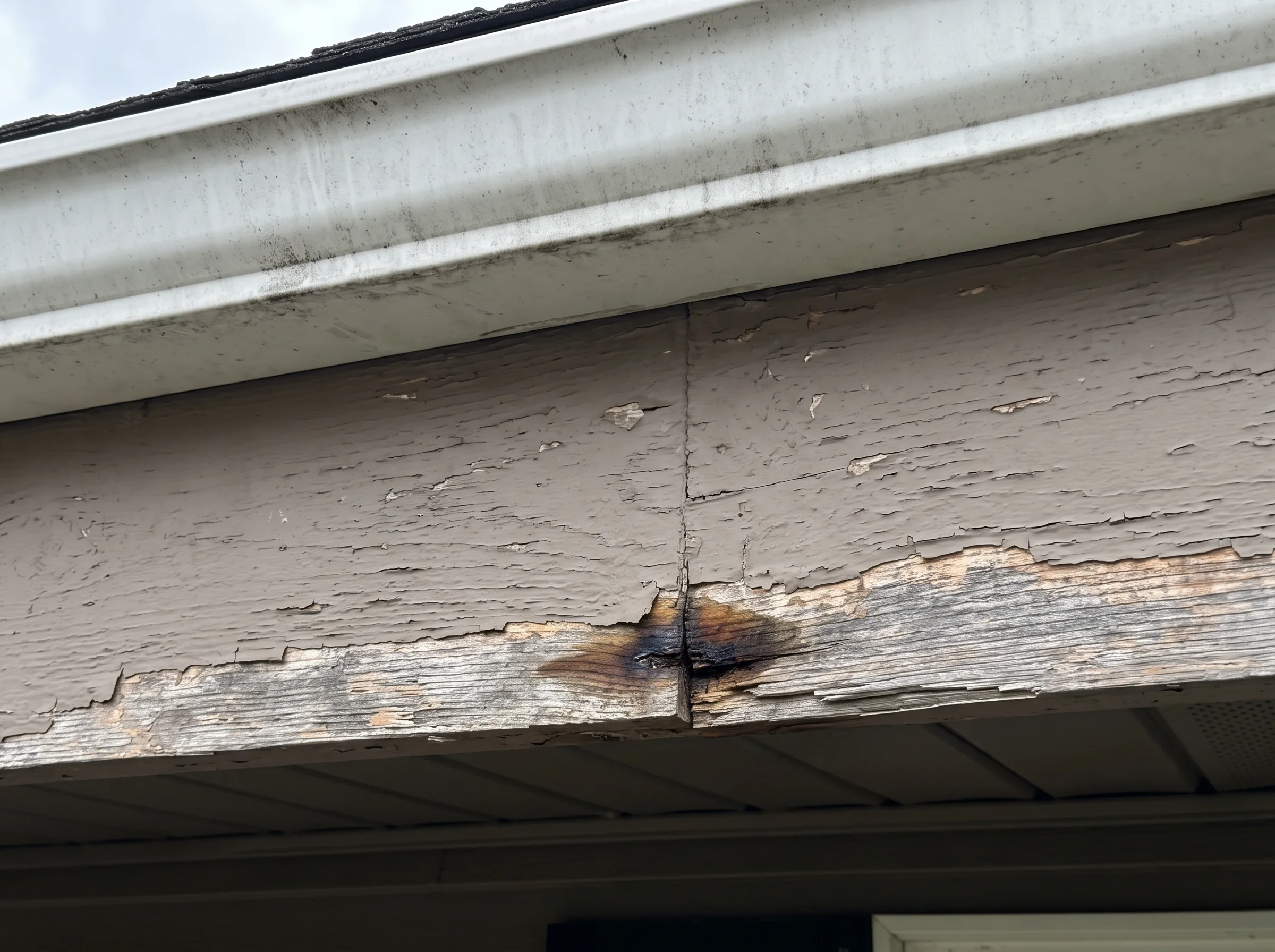
Exterior paint helps protect wood, but once paint fails, wood trim can begin absorbing moisture. This is especially common around windows, doors, fascia, porch columns, soffits, garage trim, and decorative wood details.
Warning signs may include soft spots, dark staining, crumbling edges, swelling, splitting, or paint that repeatedly peels in the same area.
If wood is already damaged, repainting alone will not fix the problem. The damaged area may need to be repaired or replaced before paint is applied.
Painting over soft or rotting wood can trap problems beneath the surface and lead to more work later. A professional exterior painting project should include checking the condition of wood trim before painting begins.
Warning Sign 6: Hairline Cracks in Paint or Siding
Small cracks may not look serious at first, but they can allow moisture to reach the surface underneath. Over time, those cracks can grow, especially as exterior materials expand and contract with temperature changes.
Hairline cracks may appear on painted siding, trim boards, porch railings, fascia, exterior doors, painted masonry, or older painted surfaces.
If the cracks are limited and the surface is still stable, they may be handled during preparation. If cracking is widespread, the surface may need closer inspection before repainting.
Cracks should not be ignored just because they are small. They are often early warning signs that the exterior coating is aging or that the surface underneath needs attention.
Warning Sign 7: Stains, Water Marks, or Mildew-Like Growth
Stains, water marks, and mildew-like growth can appear on shaded, damp, or poorly draining areas of a home’s exterior.
Common places to check include north-facing walls, shaded siding, areas under gutters, around downspouts, near landscaping, porch ceilings, and lower siding sections.
These marks may point to moisture, drainage, airflow, or surface issues that should be reviewed before repainting. If the cause is not addressed, the stain may return after new paint is applied.
Exterior paint should not be used to cover a moisture problem. The surface should be cleaned and inspected first. Gutters, downspouts, nearby landscaping, or damaged trim may need attention before painting.
Warning Sign 8: Gaps Around Trim, Fascia, or Siding Details
Gaps around exterior details can allow water and air to reach areas behind the paint. These gaps often appear where two materials meet.
Look for openings where trim meets siding, window casing meets the wall, door frames meet siding, fascia meets soffit, porch posts meet trim, or garage trim meets the surrounding exterior.
These areas may need cleaning, caulking, repair, and spot priming before repainting. If gaps are painted over without proper prep, the paint may fail sooner and the underlying surface may remain exposed.
Exterior painting is not just about the visible color. It is also about sealing and preparing the details that help the finish last.
Warning Sign 9: Paint Fails Quickly After Touch-Ups
If touch-up paint keeps peeling, fading, or failing, the issue may be larger than the color. The surface may have moisture, poor adhesion, old paint buildup, chalking, or preparation problems.
Touch-ups can hide small marks, but they cannot fix a failing paint system. If the same area keeps peeling, bubbling, or looking uneven, the surface should be inspected.
In some cases, repainting the full affected area is better than continuing to patch small spots. The old loose paint may need scraping, the edges may need sanding, bare areas may need primer, and damaged trim may need repair.
A professional can help determine whether the issue is limited or part of a larger exterior paint failure.
Warning Sign 10: Your Home Looks Uneven From the Street
Sometimes the warning sign is visual. One side of the home looks faded. The shutters look dull. The front door no longer matches the rest of the exterior. Trim looks worn. Painted details no longer look clean from the street.
This does not always mean the exterior is in poor condition, but it may mean the paint is no longer helping the home look maintained.
Curb appeal matters because it shapes the first impression of the home. A clean, even exterior paint finish can make siding, trim, doors, shutters, and porch details look more cared for.
If the home looks uneven from the street, it may be time to schedule an exterior paint inspection.
Older St. Louis Homes Need Extra Care Before Exterior Painting
Older homes in St. Louis City, Webster Groves, Kirkwood, University City, Maplewood, Richmond Heights, and other established areas may need extra care before exterior painting.
These homes may have multiple layers of paint, older wood trim, porch details, historic windows, painted doors, previous repairs, and mixed exterior materials. Some may also have lead paint concerns.
EPA states that paid contractors who disturb painted surfaces in homes, child care facilities, and preschools built before 1978 generally must be certified and trained in lead-safe work practices under the Renovation, Repair and Painting Rule.
This does not mean older homes should be avoided. It means they should be approached carefully. Proper inspection, safe preparation, and the right painting process are especially important when working on older painted surfaces.
Why Surface Preparation Matters Before Exterior Painting
Exterior painting is only as good as the preparation. Applying new paint over failing paint, dirty surfaces, open gaps, damaged wood, or chalky residue can lead to poor results.
Before painting, the surface may need to be cleaned, scraped, sanded, caulked, repaired, spot primed, or fully primed depending on its condition.
Good preparation may include removing loose paint, smoothing rough edges, repairing damaged trim, sealing gaps, priming bare wood, choosing the right exterior paint, and checking weather conditions before application.
This step is what helps the new paint bond properly and look cleaner once finished.
EJC Painting & Drywall can help with exterior painting, surface preparation, trim painting, and related painting services for St. Louis-area homes.
Exterior Painting Services Near St. Louis and Surrounding Areas
EJC Painting & Drywall serves homeowners throughout the St. Louis area, including St. Louis County and St. Charles County.
Our team can help with exterior painting projects in Kirkwood, Webster Groves, Frontenac, Ladue, Ballwin, Chesterfield, Brentwood, Clarkson Valley, Cottleville, Dardenne Prairie, Wentzville, St. Charles, O’Fallon, St. Peters, and surrounding communities.
Whether your home has peeling trim in Kirkwood, faded shutters in Ballwin, moisture-prone siding in Webster Groves, worn exterior doors in St. Charles County, or cracked caulk around windows in Chesterfield, EJC Painting & Drywall can help evaluate the surface before repainting.
Every home is different, and the right exterior painting plan starts with the condition of the surface.
When Should You Call a Professional Exterior Painter?
Homeowners may be able to handle small maintenance tasks, but professional help is often the better choice when exterior warning signs become visible.
Call a professional if your home has peeling paint, cracked caulk, wood damage, tall exterior areas, repeated paint failure, older painted surfaces, stained siding, exposed wood, or large sections that need repainting.
A professional exterior painter can inspect the surface, identify preparation needs, repair minor issues, prime bare or damaged areas, and apply exterior paint with the final result in mind.
This helps avoid painting over problems that will return later. It also helps the home look cleaner, more even, and better protected.
Final Thoughts
St. Louis homeowners should watch for peeling paint, fading, chalking, cracked caulk, exposed wood, stains, gaps, repeated paint failure, and uneven curb appeal.
These signs do not always mean the entire home needs repainting immediately, but they do mean the exterior should be inspected. Catching problems early can help protect trim, siding, doors, fascia, shutters, porch details, and other painted surfaces.
If your St. Louis-area home is showing exterior painting warning signs, EJC Painting & Drywall can help with surface preparation, exterior painting, trim painting, and related repairs. Call 314-471-4563 to request a free estimate.