The Best Time of Year for Exterior Painting in St. Louis
When is the best time to paint the exterior of your home in St. Louis? Spring and fall are often the first seasons homeowners consider, but choosing the right time involves more than looking at the calendar.
St. Louis weather can change quickly. A warm spring afternoon may follow several days of rain, while a comfortable fall day can end with chilly temperatures and heavy morning dew. Those changes matter because exterior paint needs suitable conditions to adhere, dry, and develop a durable finish.
Late spring and early fall are generally the best times for exterior painting in St. Louis, particularly May and September. However, summer and parts of October can also provide suitable conditions.
Understanding how local weather affects exterior painting can help you plan your project, avoid unnecessary delays, and protect your home's siding, trim, doors, and other painted surfaces.
Why Weather Matters More Than the Calendar
Exterior painting depends on several environmental conditions working together. Air temperature, surface temperature, humidity, rainfall, wind, and drying time all influence how paint performs after application.
For example, a mild October afternoon may provide better conditions than a rainy May morning. Likewise, a sunny summer day might appear perfect until the siding becomes too hot for the selected coating.
Paint needs time to form a stable film. When conditions are unsuitable, problems such as poor adhesion, uneven appearance, and premature coating failure can occur.
That is why professional exterior painting schedules should consider the weather forecast and the paint manufacturer's instructions rather than relying on the season alone.
Spring Exterior Painting in St. Louis: April Through May
Spring is a popular season for exterior home improvements. As winter temperatures fade, homeowners begin inspecting siding, trim, shutters, doors, and other exterior features that may need attention.
April and May often provide comfortable daytime temperatures for painting, particularly later in the season. Longer daylight hours also give painting crews more flexibility when preparing surfaces and applying coatings.
However, spring rainfall presents a challenge. According to the National Weather Service's 1991–2020 St. Louis climate normals, April averages 4.73 inches of precipitation, while May averages 4.82 inches.
Frequent rain can interrupt preparation, delay painting, and extend the time needed for exterior surfaces to dry.
Why Late Spring Often Works Better Than Early Spring
Late spring generally provides warmer, more consistent temperatures than early spring. This can make it easier to find suitable painting windows, particularly for products that require warmer application conditions.
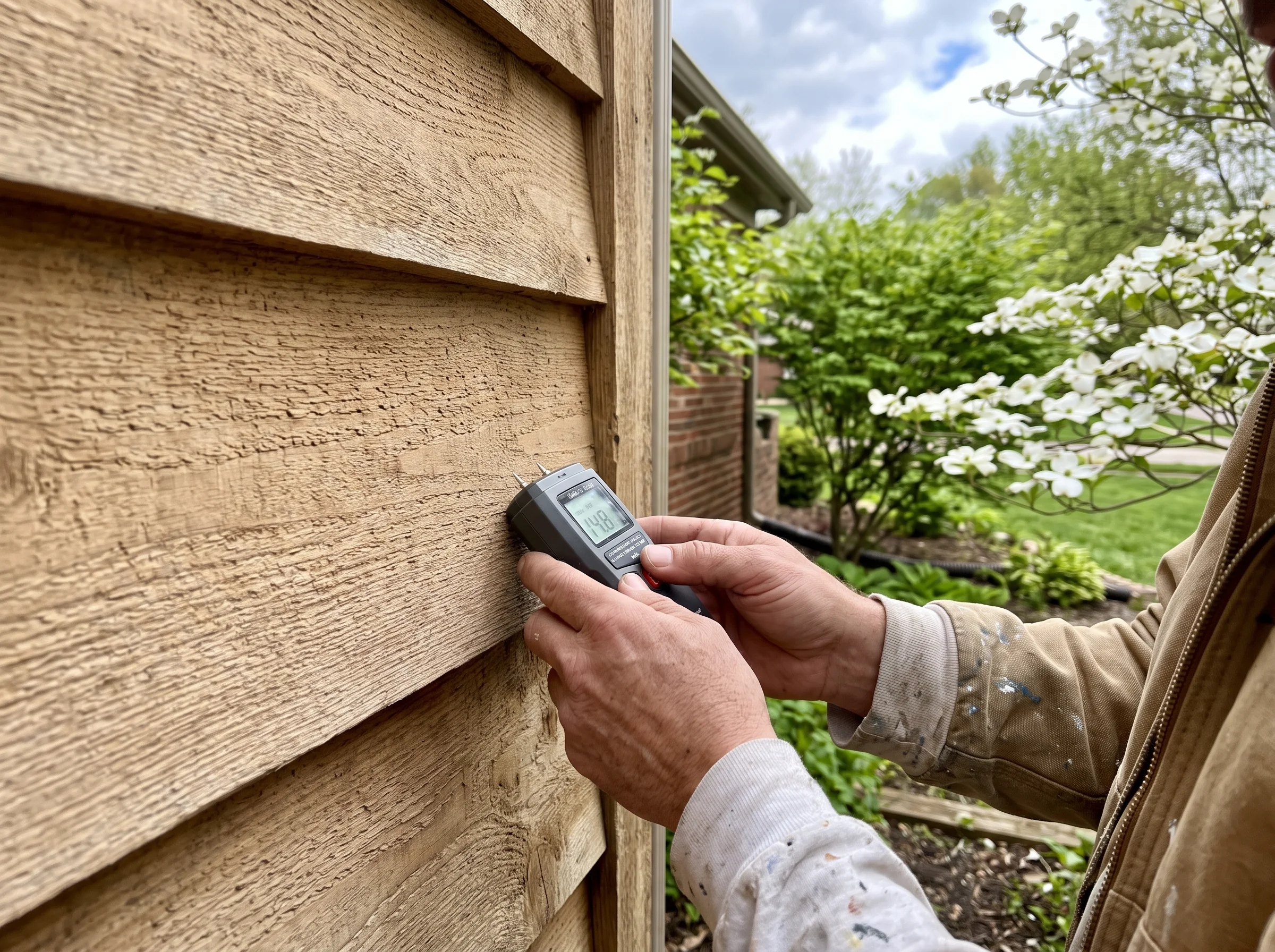
Still, a dry forecast is essential. Wood siding, trim, and other porous materials may retain moisture after rainfall.
Before painting begins, surfaces should be inspected and allowed to dry sufficiently. Choosing a warm week is helpful, but painting over damp materials can undermine the finished result.
Fall Exterior Painting in St. Louis: September Through October
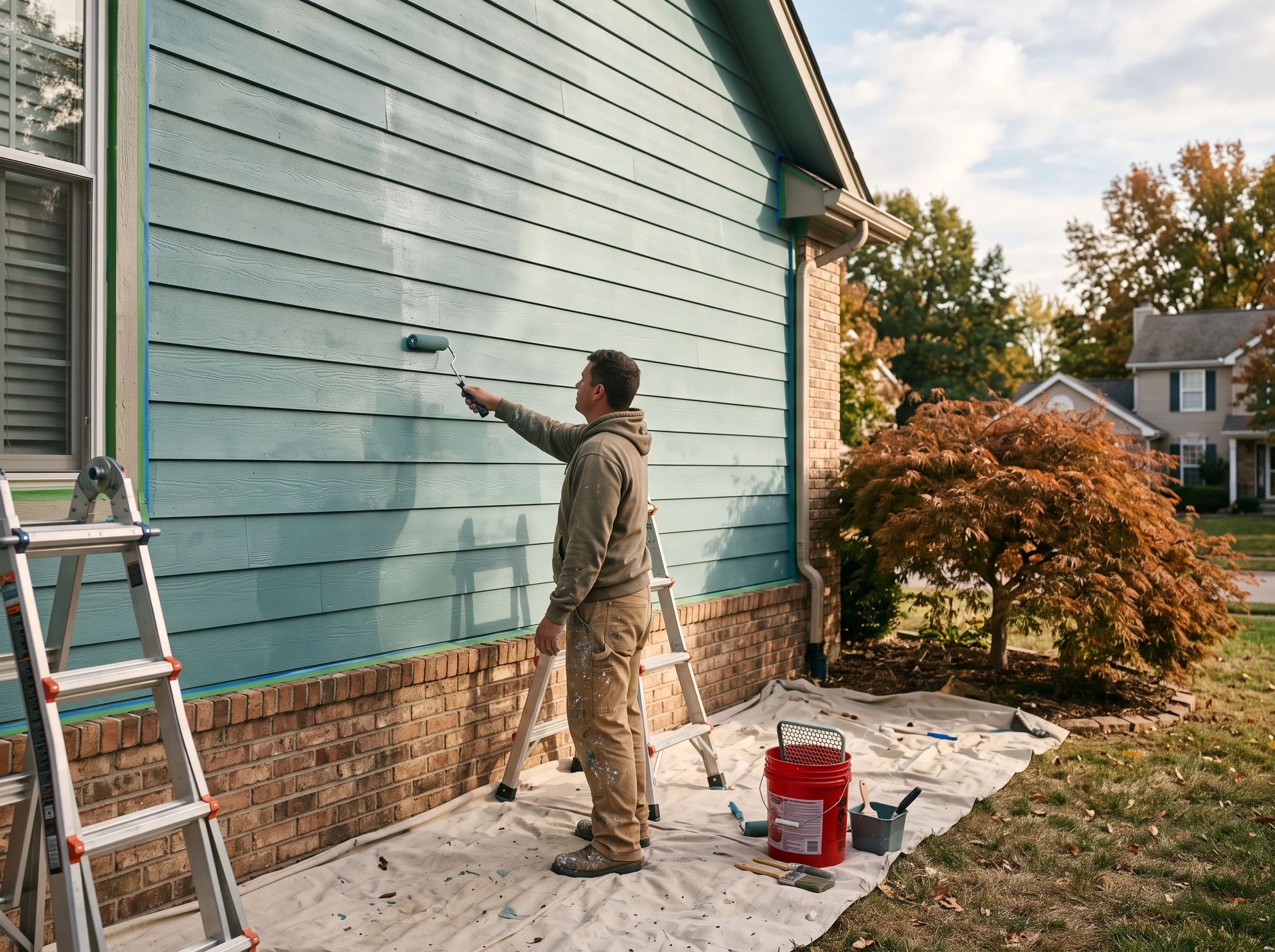
Early fall is another excellent time to schedule exterior painting in St. Louis. September frequently offers warm afternoons, manageable temperatures, and relatively favorable conditions for exterior work.
National Weather Service climate normals show that September has an average daytime high of approximately 81°F and average precipitation of 2.96 inches. October has an average high of approximately 69°F and average precipitation of 3.15 inches.
Those conditions can make early fall attractive for homeowners who want to complete exterior maintenance before winter.
However, shorter daylight hours and cooler evenings require careful planning. A suitable daytime temperature does not guarantee that paint will have enough time to dry before moisture or cold conditions develop overnight.
Why Nighttime Temperatures Matter
Fall temperatures can change considerably between afternoon and evening. A wall may be warm enough for painting during the day but experience much cooler conditions several hours later.
Some exterior coatings require temperatures to remain within a specified range during their early drying period.
Morning dew and evening condensation can also affect freshly applied paint. If moisture reaches the coating before it develops adequate resistance, the appearance and performance of the finish may be affected.
For this reason, painters must consider the upcoming nighttime forecast, not just the afternoon high.
Which Months Offer the Best Painting Conditions?
St. Louis climate averages provide a useful starting point when planning an exterior painting project.
Month | Average High | Average Low | Average Precipitation |
April | 68°F | 47°F | 4.73 inches |
May | 77°F | 58°F | 4.82 inches |
June | 86°F | 67°F | 4.49 inches |
September | 81°F | 61°F | 2.96 inches |
October | 69°F | 49°F | 3.15 inches |
Source: National Weather Service, St. Louis climate normals, 1991–2020.
May and September offer a useful balance of relatively moderate temperatures and seasonal painting opportunities.
September has the advantage of lower average precipitation, while May offers longer daylight hours and generally warmer nighttime conditions than April.
These are historical averages, not forecasts. Actual weather conditions should always guide the final painting schedule.
Can You Paint Your Home Exterior During a St. Louis Summer?
Yes. Summer exterior painting is common, but high temperatures and humidity can make scheduling more challenging.
July and August frequently bring hot afternoons to St. Louis. During these periods, siding, garage doors, and trim exposed to direct sunlight may become significantly hotter than the surrounding air.
If a surface becomes excessively hot, paint may dry too quickly, affecting how well it levels and bonds.
Humidity can also slow the drying of water-based coatings, particularly when moisture levels remain high.
Professional painters may adjust their schedule to work on shaded elevations, begin certain tasks earlier in the day, or avoid painting surfaces receiving intense afternoon sunlight.
Summer is not automatically a poor painting season. The important consideration is whether the specific surface and coating can be painted under the conditions expected.
Is Winter Exterior Painting Possible in St. Louis?
Winter generally provides fewer dependable opportunities for exterior painting.
Cold temperatures, frost, snow, damp surfaces, and shorter daylight hours can make it difficult to achieve suitable application and drying conditions.
However, some modern exterior paints are designed for lower-temperature application. Certain products from manufacturers such as Sherwin-Williams can be applied at temperatures as low as 35°F when the product's specific requirements are met.
That does not mean every exterior paint can be applied at 35°F or that painting is safe whenever the afternoon temperature reaches that level.
Air, surface, and product temperatures must meet the coating's requirements, and suitable conditions must continue during the critical drying period.
For most homeowners, winter is better suited to evaluating exterior maintenance needs and planning projects for more predictable weather.
What Is the Ideal Temperature for Exterior Painting?
Moderate temperatures generally provide favorable exterior painting conditions. Benjamin Moore identifies approximately 77°F as an ideal temperature, although individual products have different approved application ranges.
The most important rule is to follow the selected paint's technical specifications.
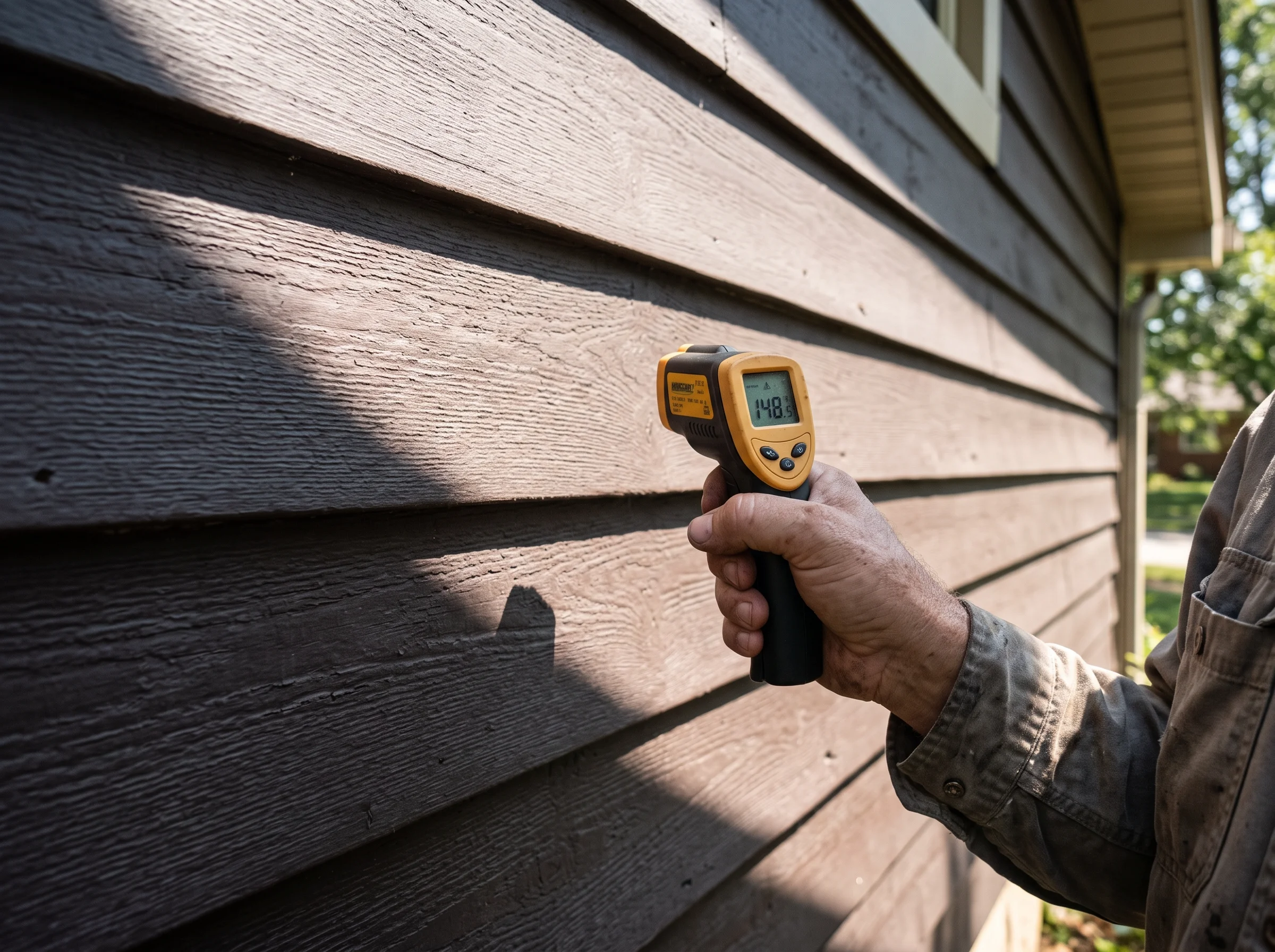
Air temperature alone is not enough. Surface temperature can differ substantially from the surrounding air.
For example, a dark garage door exposed to direct afternoon sunlight may become much hotter than the reported outdoor temperature. A shaded exterior wall may remain cooler, particularly during spring or fall.
The paint itself also needs to remain within its approved application range.
An experienced painter considers all three factors: air temperature, surface temperature, and coating requirements.
How Humidity and Morning Dew Affect Exterior Painting
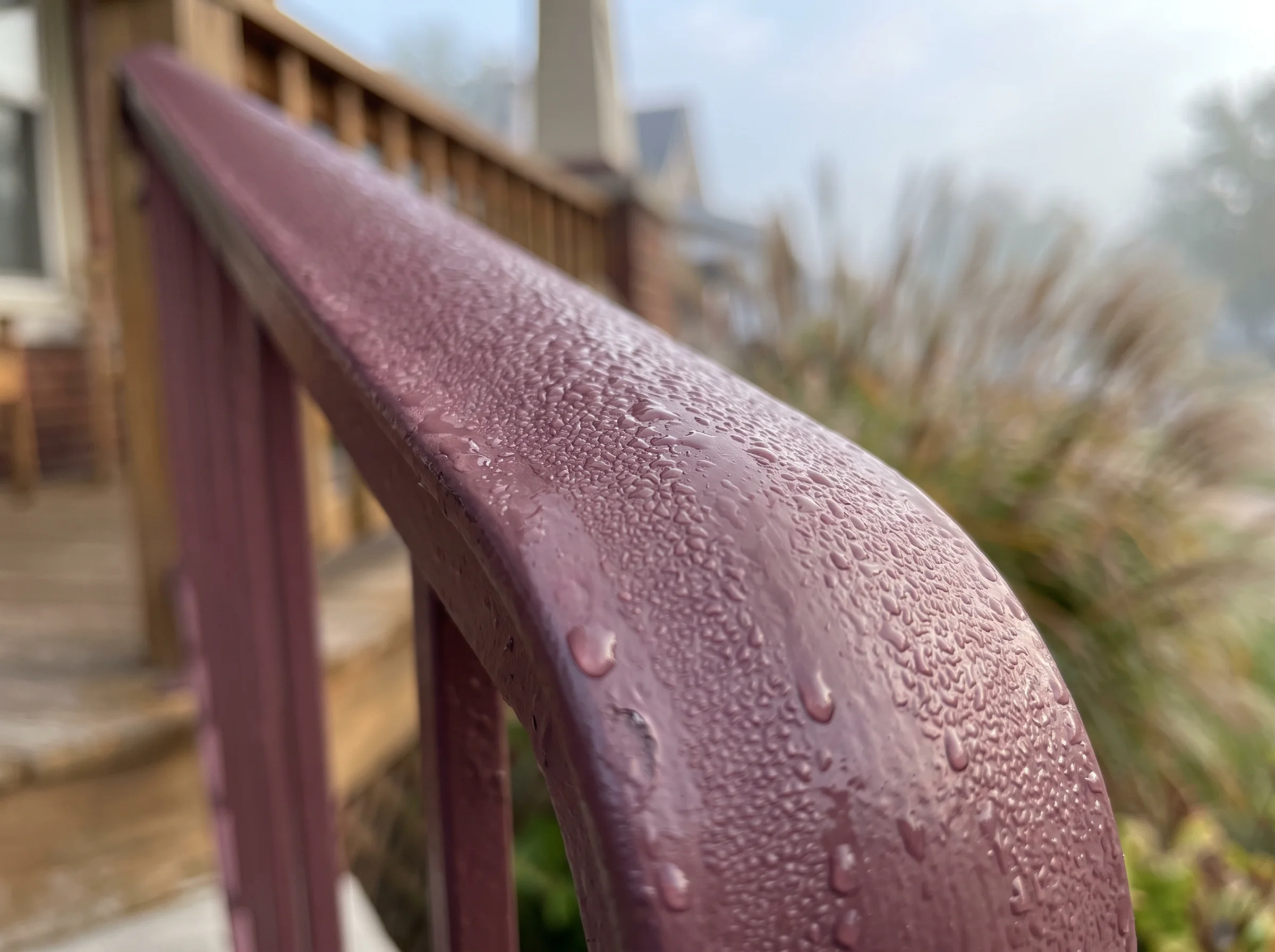
Humidity influences how quickly exterior paint dries. When moisture levels are high, water-based coatings may take longer to develop the film needed for proper performance.
This becomes especially important in St. Louis during humid summer days and cool fall mornings.
Morning dew can collect on siding, porch railings, exterior doors, and shaded trim. Even if the air feels warm, those surfaces may still be damp.
Painting over moisture can interfere with adhesion and lead to coating problems.
The surface should be dry before application, and the weather forecast should provide enough time for the paint to develop adequate moisture resistance.
A warm afternoon is helpful, but a suitable drying window is what really matters.
How Long Should You Wait After Rain Before Painting?
One of the most common exterior painting questions is how long a homeowner should wait after rainfall.
There is no universal answer because different materials absorb and retain moisture differently.
Wood siding and porous masonry may require more drying time than some nonporous surfaces. Shaded areas may remain damp longer than surfaces receiving direct sunlight.
Sherwin-Williams recommends waiting at least one day after heavy rain as a general starting point, while emphasizing that the surface must actually be dry before painting.
A longer waiting period may be necessary depending on the material and weather.
Professional painters should assess surface conditions rather than assuming that 24 hours is always sufficient.
What Time of Day Is Best for Exterior Painting?
The best time of day depends on the season, the home's orientation, and the weather.
During summer, early painting hours may help crews avoid extreme afternoon heat. However, morning dew must evaporate before paint is applied.
In spring and fall, it may be better to begin later in the morning after temperatures rise and surfaces dry.
Painting should also finish early enough to allow the coating to develop adequate moisture resistance before evening temperatures fall and condensation begins.
Sun exposure matters as well. The west side of a home may become very hot in the afternoon, while a north-facing wall may remain shaded and damp for longer.
Instead of following one fixed schedule, professional painters adjust their work according to the conditions on each side of the home.
How to Prepare Your Home Before Exterior Painting Season
Preparing your home before painting season can make scheduling easier and help avoid preventable delays.
Start by inspecting exterior surfaces for peeling paint, damaged trim, cracked caulk, exposed wood, and other areas that may require attention.
Any moisture problems or deteriorated materials should be evaluated before new paint is applied. Preparation may involve cleaning, scraping loose paint, sanding, caulking appropriate joints, completing necessary repairs, and priming exposed areas.
It is also helpful to identify any landscaping, outdoor furniture, decorations, or access limitations that could affect the project.
For older St. Louis homes, paint preparation may require additional precautions. The EPA's Renovation, Repair and Painting Rule generally applies to paid renovation work that disturbs painted surfaces in pre-1978 housing, subject to applicable exceptions.
Planning these details before the selected painting window helps make the project more organized.
Why Professional Scheduling Makes a Difference
Exterior painting involves coordinating surface preparation, application, and drying time with weather conditions.
A professional painter considers the existing surface, the selected coating, temperature changes, humidity, rainfall forecasts, shade patterns, and the time needed between coats.
This helps prevent painting during unsuitable conditions or rushing preparation to meet a schedule.
Weather-related delays can still happen, even during the most favorable seasons. A well-planned project allows room for adjustments when surfaces need additional drying time or rain interrupts work.
EJC Painting & Drywall provides exterior painting services for St. Louis-area homeowners who want properly prepared surfaces and a clean, professional finish.
Exterior Painting in St. Louis County and St. Charles County
Exterior painting needs vary throughout the St. Louis region.
Established neighborhoods in Kirkwood and Webster Groves may include older wood trim, porch details, and painted architectural features that require careful preparation.
Homes in Ladue, Frontenac, Ballwin, Chesterfield, and Clarkson Valley may have a combination of painted siding, trim, garage doors, and decorative exterior surfaces.
In St. Charles County communities such as Wentzville, Cottleville, Dardenne Prairie, St. Peters, St. Charles, and O'Fallon, projects may involve newer siding materials, garage doors, shutters, and exterior trim.
Regardless of location, the principles remain the same. The surface must be properly prepared, the coating must be suitable for the material, and weather conditions must support application and drying.
For a broader understanding of home surface maintenance, explore our guide to painting and drywall services.
Frequently Asked Questions About Exterior Painting in St. Louis
What month is best for exterior house painting in St. Louis?
May and September are generally good months to consider because they often provide favorable daytime temperatures. September also has lower average precipitation than May. However, actual weather conditions and the selected paint's requirements matter more than the calendar.
Is September a good time to paint a house in Missouri?
Yes. September often offers warm daytime temperatures and relatively favorable weather for exterior painting. However, homeowners should monitor rain forecasts, nighttime temperatures, and morning dew before scheduling work.
Can you paint your house when it is 90°F outside?
Painting may be possible at 90°F with a product approved for those conditions. However, sun-exposed surfaces may become considerably hotter than the air. The surface temperature and paint specifications should determine whether application is appropriate.
How long should exterior paint dry before rain?
Drying and moisture-resistance times depend on the specific paint, temperature, humidity, and application conditions. Some coatings develop rain resistance relatively quickly, while others require longer protection. Always follow the product's technical data sheet.
Is October too late for exterior painting in St. Louis?
Not necessarily. October can provide suitable painting days, especially early in the month. However, cooler nights, shorter daylight hours, and morning condensation make scheduling more important as fall progresses.
Should you schedule exterior painting before winter?
If the home's exterior needs attention, completing the work during a suitable fall weather window may be beneficial. However, painting should not be rushed simply to finish before winter. Proper surface preparation and acceptable weather conditions remain essential.
Final Thoughts
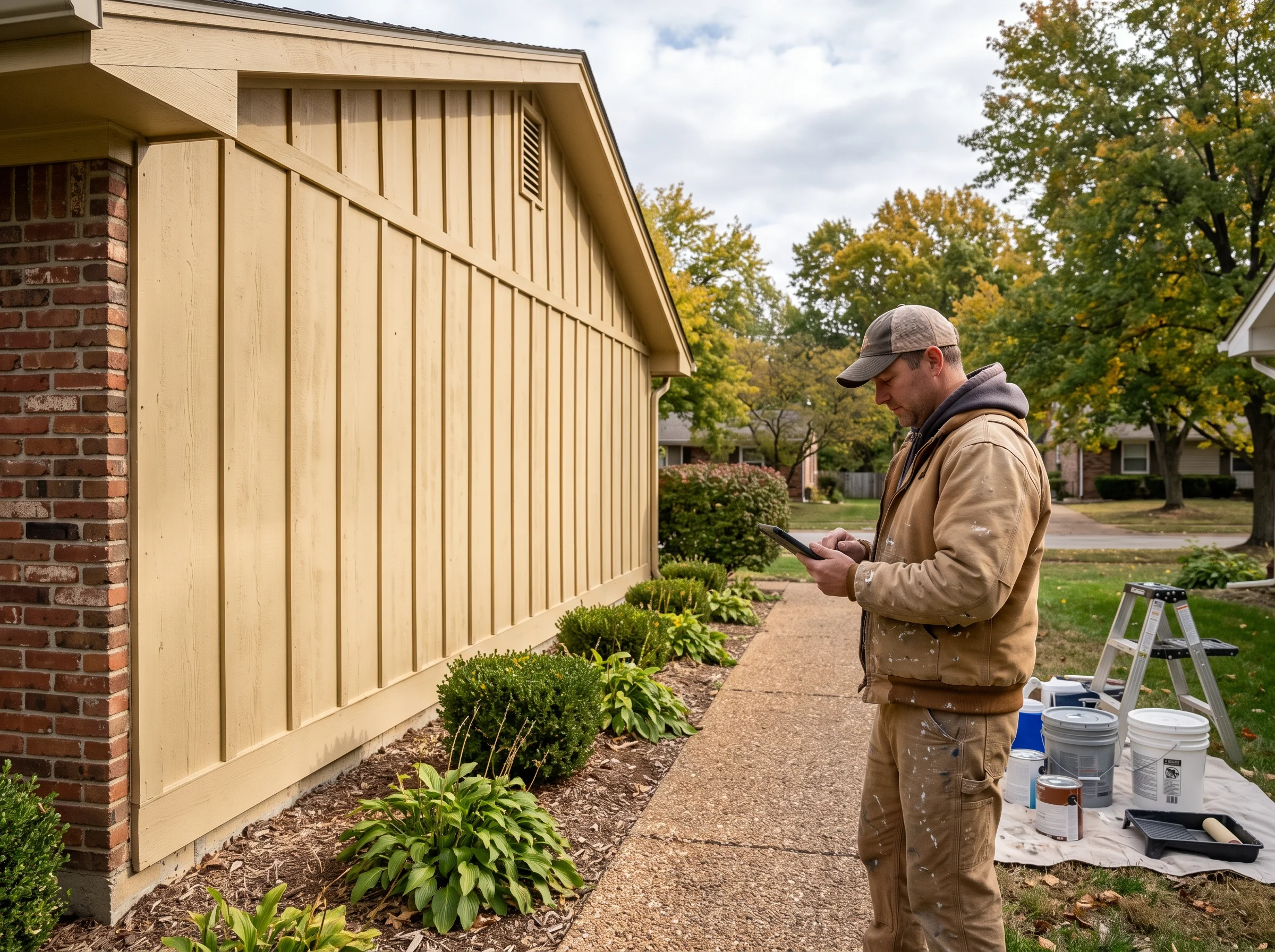
For St. Louis homeowners, late spring and early fall are generally the best times to schedule exterior painting. May and September often offer favorable conditions, but the right painting day depends on temperature, humidity, rainfall, surface condition, and drying requirements.
Good preparation and proper scheduling help exterior paint perform as intended while maintaining your home's curb appeal and protecting painted surfaces from everyday weather exposure.
If you are planning an exterior painting project in St. Louis or the surrounding communities, EJC Painting & Drywall can help with exterior painting, trim painting, and surface preparation.
Call 314-471-4563 to request a free estimate.